Accommodation and Experiences in Cape Town, Western Cape
Cape Town blends dramatic scenery with a vibrant, cosmopolitan pace, making it a compelling destination for travellers seeking self-catering stays, boutique guesthouses, or comfortable hotels. When planning a visit, think about the mix of amenities you want, the convenience of transport, and the character of the neighbourhood. A well-chosen base can enhance your time exploring the city’s natural splendour, cultural hubs, and world-class dining without sacrificing comfort.
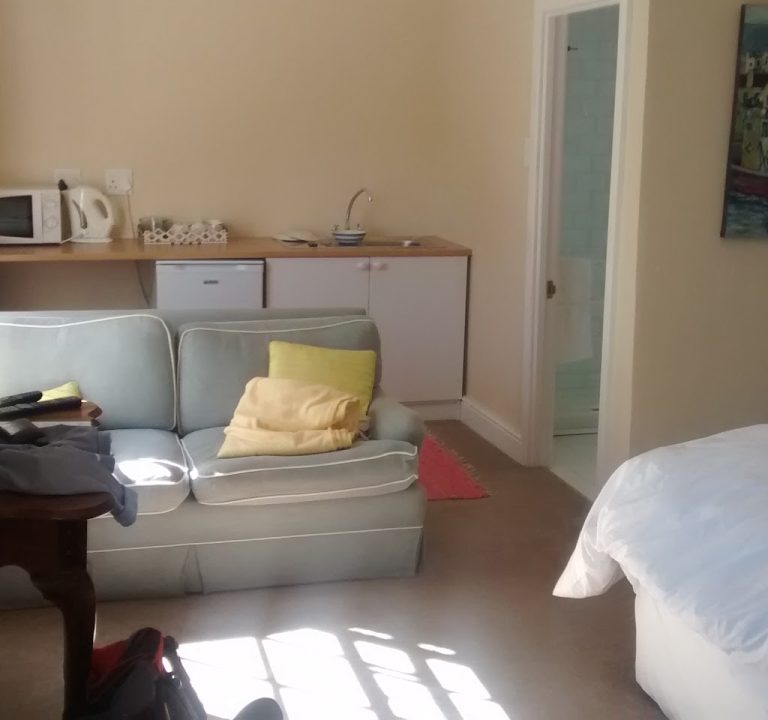
Self-catering holiday accommodation, such as apartments or cottages, offers flexibility for families, groups, or travellers who prefer to manage meals themselves. In areas with easy access to beaches, waterfront promenades, or neighbourhood markets, a self-contained option can feel like a home from home while providing a convenient launchpad for day trips and island-hop adventures. When choosing, consider the size of the unit, the quality of kitchen facilities, and whether little extras—such as laundry facilities, secure parking, or a balcony with a view—will make your stay smoother. For longer stays, features like a dedicated workspace, reliable Wi‑Fi, and generous storage become valuable considerations.
Cape Town’s neighbourhoods each offer a distinct flavour. The Atlantic Seaboard often appeals to travellers seeking ocean views and walkable access to beaches, while the City Bowl puts you at the heart of museums, markets, and historic streets. Constantia Valley can suit those chasing wine experiences and quiet hillside retreats, and the waterfront districts provide easy access to harbour activities and evening strolls. When selecting an area, weigh factors such as daily travel time, safety, proximity to attractions, and the rhythm of the neighbourhood after dark. A well-located apartment near a convenient MyCiTi bus route or a reliable minibus taxi hub can save time and stress during busy days of sightseeing.
Key amenities to look for in accommodation include secure access, dependable heating or cooling, good water pressure, and clear cleanliness standards. A well-equipped kitchen or kitchenette is a strong selling point for self-catering options, while in-building laundry facilities can be a real convenience for longer stays. If you plan to drive or rent a vehicle, confirm on-site parking or nearby alternatives. In popular seasons, consider properties with flexible cancellation policies and transparent house rules to avoid unexpected charges.
Transport in Cape Town is diverse and manageable with some planning. The city offers a network of buses, taxis, and ride-hailing services, with scenic routes that can turn travel into an experience in itself. If you will be exploring beyond the city centre, a car provides the most convenience for day trips to the Cape Winelands, the Cape Peninsula, and coastal towns. However, many attractions are accessible by guided tours or public transport, so it is worth mapping your must-see locations and your preferred pace of sightseeing before deciding how to move around.
The best time to visit Cape Town depends on what you want from your trip. Spring and autumn offer mild temperatures and manageable crowds, ideal for outdoor activities and hiking. Summer brings longer days and lively harbour life, but can be busier and more expensive. Winter, while cooler, has its own appeal with dramatic skies and fewer crowds, particularly for those who don’t mind a bracing ocean breeze. It is wise to book accommodation well in advance for peak holiday periods and major events, and to check the latest local advisories and seasonal attractions to maximise your time on the ground.
When it comes to planning activities, you’ll find a spectrum of options that suit varied interests. In general terms, Cape Town offers scenic viewpoints, nature reserves, and family-friendly experiences alongside museum-focused days and culinary explorations. For those seeking a taste of local life, look for guided walking tours that cover markets, historic districts, and contemporary art spaces. Dining choices range from casual cafés with artisanal ingredients to refined restaurants that showcase South African produce in modern interpretations. Rather than chasing fixed names or claims, consider areas where a concentration of eateries, markets, and culture can be sampled in a few strolls, allowing you to curate meals around your day’s discoveries.
To help you plan, here is a quick guide to useful considerations:
- Area selection: balance scenery, access to attractions, and daily travel plans.
- Amenities: prioritise self-catering facilities for flexibility, and consider parking and security.
- Transport: assess proximity to public transport or car hire, and plan routes to key sights.
- Seasonality: align your itinerary with weather patterns and crowd levels.
- Booking terms: check cancellation policies and housekeeping arrangements before confirmation.
For ideas on what to see and where to dine, consult reputable travel resources and official tourism information. Cape Town’s official tourism site offers practical tips, sample itineraries, and up-to-date guidance on attractions, dining trends, and seasonal events. As you consider accommodation options—including self-catering stays such as Alamein Holiday Accommodation or similar properties—look for hosts who provide clear neighbourhood descriptions, helpful local tips, and responsive communication. A well-planned stay in Cape Town can balance restful downtime with memorable adventures, making it easy to return each evening to a comfortable base from which to unwind and reflect on another rewarding day in the Western Cape.
Website links to official tourism information can be useful as you research destinations, sights, and practical arrangements. Always verify current travel advisories and local health and safety guidelines prior to travel, and enjoy the diverse experiences that Cape Town has to offer, from table‑level city views to the tranquil foothills of surrounding winelands.