Staying in Cape Town: accommodation ideas, tips and local highlights
Cape Town is a city of contrasts, from sweeping sea views and rugged mountains to tree-lined suburbs and bustling, vibrant neighbourhoods. When planning a stay, it helps to think in terms of areas that suit your pace, budget and interests. Whether you prefer a windswept coastal village feel, a chic urban hub with easy access to sights, or a family-friendly base close to beaches, there are plentiful options to suit different travellers. Self-catering stays, boutique guesthouses, and well-appointed hotels sit side by side, offering varying levels of privacy, kitchen facilities and social spaces.
Areas to consider
- The Atlantic Seaboard, including seaside neighbourhoods with dramatic views, is ideal for those seeking quick access to beaches and scenic walks.
- The City Bowl and the central Foreshore offer proximity to museums, galleries, restaurants, markets and nightlife, wrapped in a compact, walkable environment.
- The Constantia and Southern Suburbs regions provide a more relaxed, leafy backdrop with access to wine estates, mountain trails and family-friendly attractions.
- The Atlantic coast’s beaches around Camps Bay, Clifton and Sea Point offer sun and spa-day potential alongside convenient transport links to the city centre.
- The Cape Flats and the Northern Suburbs can present excellent-value options with straightforward road connections to the peninsula’s main sights and routes.
What to look for when booking
- Location and access: Consider short commutes to major sights like Table Mountain, the V&A Waterfront, and the Cape Peninsula drives. Check whether properties offer parking, and whether they are near MyCiti bus stops or reliable taxi/ride-hailing access.
- Size and layout: Self-catering cottages and apartments can be ideal for longer stays or family trips, giving you space to relax and cook. In hotels or guesthouses, note whether rooms have en-suite bathrooms, sufficient storage and quiet corridors if you’re a light sleeper.
- Amenities: A well-equipped kitchen or kitchenette, a reliable Wi‑Fi connection, a comfortable lounge area and outdoor spaces can markedly improve a stay. Laundry facilities, secure parking and thoughtful touches such as a welcome basket or local tips add real value.
- Transport links: Cape Town’s hills and coastal roads can demand careful planning. Proximity to mains roads, air links (regional airports) and public transport can influence daily itineraries, especially if you plan to visit the Cape Winelands, Cape Point, or the peninsula’s scenic drives.
- Safety considerations: Like any major city, choose accommodation with good security, clear access policies and well-lit surroundings. In busy areas, consider properties with 24-hour staff or on-site hosts to assist with local guidance and emergency needs.
- Flexibility: In peak seasons, flexibility around cancellations or changeable dates can be beneficial. Look for hosts who provide clear, up-to-date information about public holidays, weather variations and traffic alerts.
Typical stays and experiences
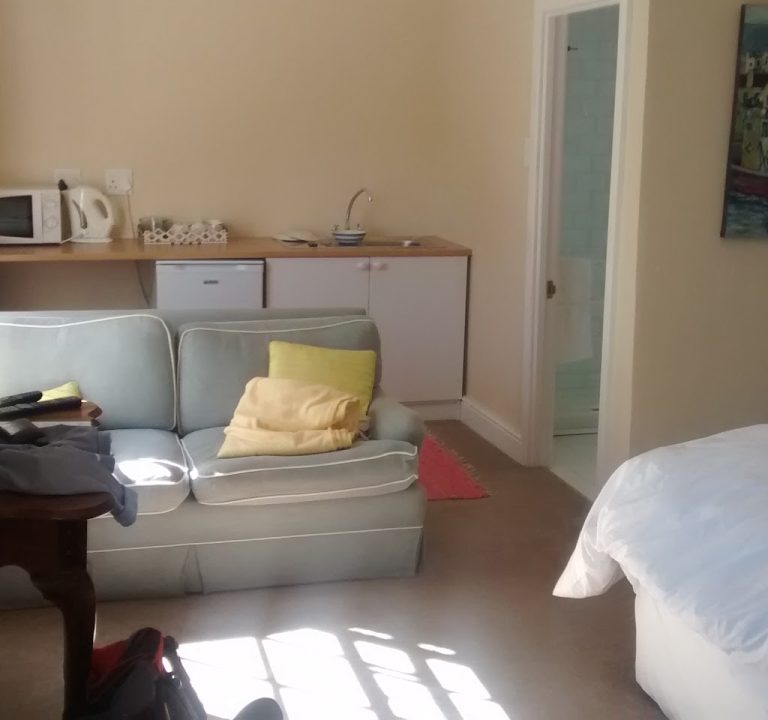
- Self-catering units: Cottages or apartments commonly include living spaces, kitchen facilities, and separate bedrooms. These are well-suited to travellers who want independence and the option to prepare meals, mix with local markets, and tailor days to a child-friendly rhythm or specific dietary needs.
- Boutique guesthouses: These offer a personalised stay with curated interiors, quieter atmospheres and an emphasis on local hospitality. Breakfast may be included, and hosts often share practical tips on routes, hidden beaches and reputable dining spots.
- Hotels and lodges: Expect reliable service, daily housekeeping and on-site dining. Some properties may specialise in spa services or fitness amenities, which can be a convenient complement to sightseeing itineraries.
- Family-friendly stays: Look for properties with secure play spaces, suitable bedding arrangements and easy access to beaches or parks. Proximity to gentle scenic walks, such as coastal paths or nature reserves, can make days with children more enjoyable.
Best time to visit and practical planning
- Weather patterns: Cape Town experiences its summer peak from December to February, with warm days and cooler evenings. Winter (June to August) can be wetter and milder, with coastal scenery at its most dramatic. Shoulder seasons offer quieter attractions and good value.
- Peak months: Summer holidays and school breaks tend to be busier. If your calendar allows, booking a little in advance can secure better rates and preferable locations.
- Food and markets: The city’s markets and eateries emphasise fresh, seasonal produce. Consider scheduling days around markets, wine estates and coastal restaurants to balance sightseeing with leisurely meals.
- Safety and etiquette: Simple precautions—stay in well-lit, reputable areas after dark, coordinate with hosts for local transport advice, and keep valuables discreet—will help you enjoy your stay with peace of mind.
- Practical tips: Pack layers for variable coastal weather, a light rain jacket for sudden showers, and comfortable footwear for hills and waterfront promenades. If you’re planning longer trips to the Cape Winelands or the Cape Point route, renting a car offers flexibility, though guided tours are convenient for day trips with minimal planning.
A note on accommodation options and local experiences
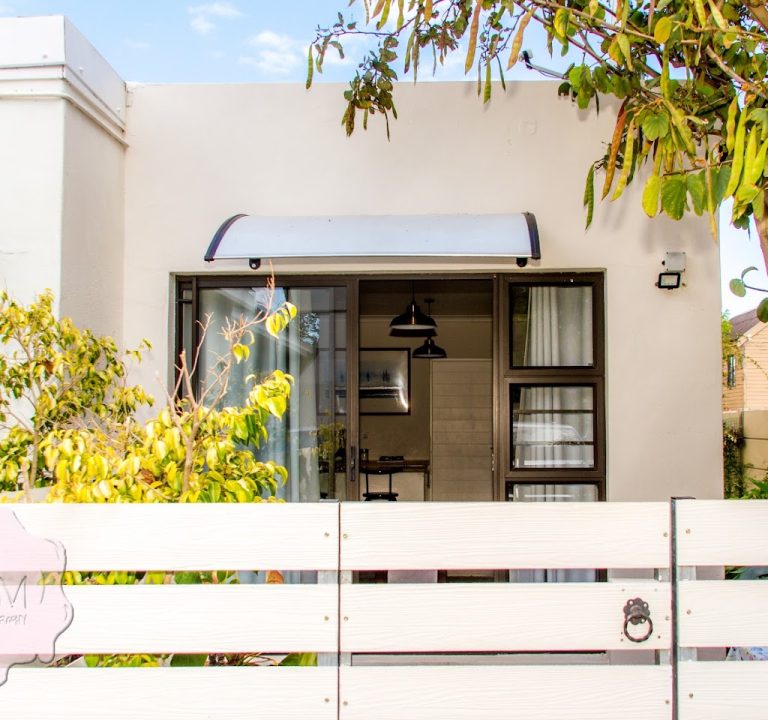
For travellers seeking self-catering accommodation with a touch of local hospitality, there are well-reviewed options that blend privacy with easy access to popular routes. For example, Just Unwind Self Catering Cottages provides private spaces with kitchen facilities and personalised tips for exploring the Western Cape. Their site offers practical details and planning ideas to help you design a stay that suits your pace.
Further planning resources
- Visit reputable travel guides and official tourism sites for current opening hours, entry policies and seasonal events.
- Check direct property websites for precise amenities, guest rules and current offers or packages.
- Explore routes that combine coastal scenery with reputable dining and wine-tasting experiences to build a balanced itinerary.
Website reference
Just Unwind Self Catering Cottages: http://www.justunwind.net/