Cape Town: Accommodation, Planning and Local Experiences
Cape Town, with its dramatic coastline, iconic mountains and vibrant neighbourhoods, offers a diverse range of places to stay that suit every traveller. From contemporary self-catering apartments overlooking the Atlantic to cosy guesthouses tucked into historic streets, choosing where to base yourself is as important as the sights you intend to see. The city enjoys a generally mild climate, but travel planning is best guided by seasonal patterns, neighbourhood character, and how you like to spend your days.
When planning a stay, consider the areas that best match your itinerary and pace. The Atlantic Seaboard areas, including Camps Bay and Clifton, are renowned for beach access, sunset views and a cosmopolitan vibe. The V&A Waterfront offers easy access to dining, shopping and harbour ferries, while the Cape Town City Bowl puts you within walking distance of museums, markets and a lively nightlife. Constantia and the Southern Suburbs appeal to wine lovers and families seeking quiet streets and scenic drives, whereas the Bo-Kaap and de Waterkant districts offer rich history and culture just steps from excellent eateries. For a more affordable, authentic neighbourhood experience, explore observant stays in Green Point, Woodstock, or Muizenberg’s maritime edge.
Typical accommodation types range from self-catering apartments and boutique guesthouses to boutique hotels and larger lodges. Self-catering options—such as serviced apartments or cottages—are particularly convenient for families or travellers who value kitchen facilities and the flexibility to dine in after a day of exploring. For many visitors, a self-catering base in a well-connected neighbourhood reduces the need for constant restaurant bookings and allows greater control over day-to-day routines.
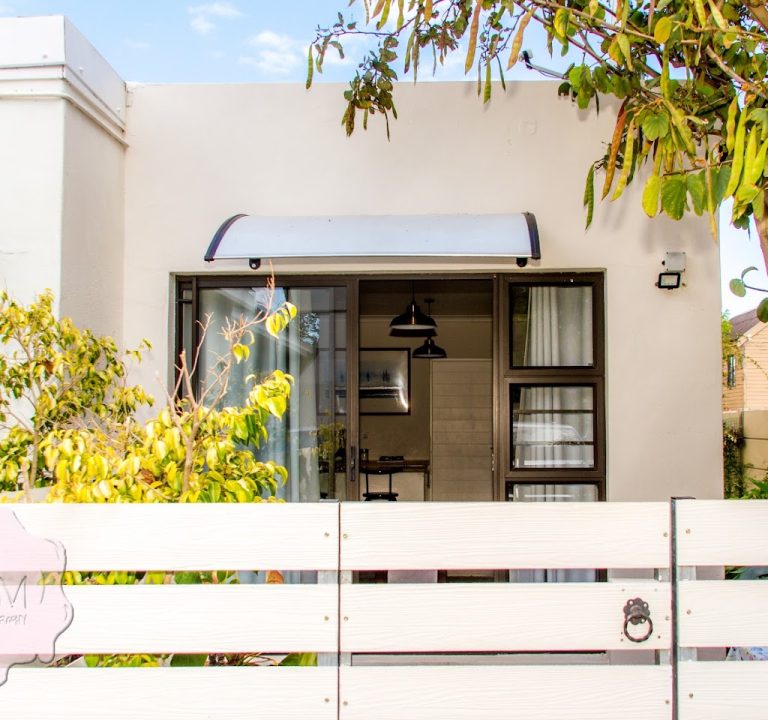
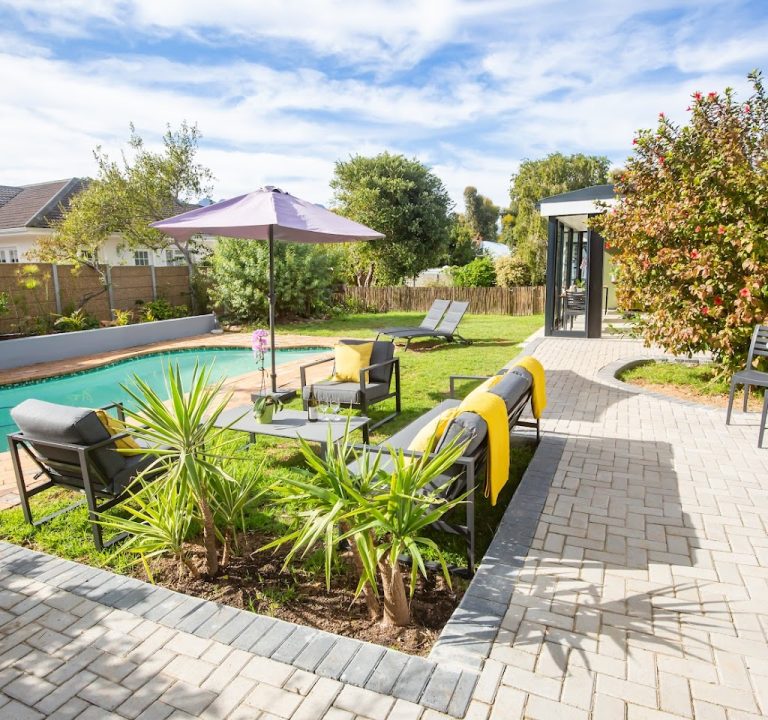
One example of a well-positioned self-catering option is Barnacle Tree, a self-catering accommodation that can form a practical base for exploring both the Atlantic coast and the city centre. Potential guests can expect a comfortable, practical setup with the freedom to tailor meals and schedules to their plans. Details and updates are typically available on the property’s official site.
Booking considerations go beyond price. Look for the following when reserving a stay:
- Proximity to your planned activities and public transport access, including MyCiTi bus routes and rail links.
- Clear written policies on check-in/check-out times, housekeeping, and any security or access arrangements.
- Whether a space is self-contained (with a private entrance) or shared, and the level of privacy and noise you can expect.
- Availability of essential amenities such as reliable Wi-Fi, heating or cooling, a well-equipped kitchen, and laundry facilities.
- Access to outdoor spaces or views, particularly if you are seeking coastal or mountain vistas.
Transport in Cape Town is straightforward but varies by area. While the city centre and the Atlantic Seaboard have numerous walking opportunities and ride-hailing options, longer journeys may benefit from set plans or day trips. If you plan to visit the peninsula, budgeting for a full day of travel and light meals is sensible, as many scenic stops and viewpoints work best with a relaxed pace. Some guests choose to rent a car for greater freedom, while others prioritise proximity to tram or taxi services to minimise driving. For those staying near the V&A Waterfront, it’s easy to combine harbour cruises, shopping and dining in a single day.
Best time to visit Cape Town depends on what you want to do. Spring (September to November) brings blooming gardens and pleasant temperatures, ideal for outdoor activities and nature walks. Summer (December to February) is lively, with beaches and outdoor markets at their best, though it can be busy. Autumn (March to May) offers cooler, clearer days and excellent light for photography. Winter (June to August) tends to be cooler and rainier, but many cultural events and indoor attractions remain appealing. Regardless of season, plan for variability in coastal winds and sunshine; layering and a light rain jacket are practical additions to any packing list.
Practical tips to maximise comfort and minimise stress while staying in Cape Town:
- Book accommodation with clear access to reliable Wi-Fi and a well-equipped kitchen if you intend to cook.
- Check the property’s parking provisions if you plan to rent a car, and confirm safe access to your unit after hours.
- Consider guest reviews focusing on noise levels, cleanliness, and responsiveness of hosts or managers.
- Book experiences and restaurant reservations in advance for peak seasons or popular venues, especially around holidays and long weekends.
- Plan for a mix of nature, culture and gastronomy to create a balanced itinerary—Table Mountain, Robben Island tours, local markets, and harbour-front dining are common highlights.
- Respect safety guidance and coastal conditions when visiting beaches or taking scenic drives along cliff-edge roads.
Accommodation near the city centre provides easy access to museums, galleries, and acclaimed dining options. If you are seeking a more relaxed pace, choose a stay in Constantia or the Atlantic Seaboard and plan day trips to nearby wine estates and nature reserves. Whatever your preference, Cape Town’s range of stays, combined with its natural beauty and urban energy, offers a memorable backdrop for an enriching South African escape. For more information and to explore available options, you can visit the properties’ official websites or trusted travel platforms.