Exploring Cape Town: Accommodation, attractions and practical planning for a memorable stay
Cape Town offers a diverse mix of accommodation, from intimate bed & breakfasts to contemporary guesthouses and stylish boutique hotels. When choosing where to stay, think about the type of experience you want and how you will get around. The city’s neighbourhoods each have a distinct character, coupled with easy access to beaches, mountains and world-class dining. A well‑planned stay often combines a comfortable base with day trips and time to enjoy the city’s outdoor spaces and cultural heritage.
Areas to consider include the City Bowl for central access to sights and culture, the Atlantic Seaboard for beaches and coastal walks, and Constantia or the False Bay coast for greener scenery and vineyard visits. For a quieter atmosphere close to nature, the southern suburbs provide leafy tranquillity and easy drives to Table Mountain and Kirstenbosch Gardens. If you prefer a more historic ambience, certain neighbourhoods within walking distance of the harbour offer a blend of old-world charm and modern conveniences. For a true guesthouse experience, small establishments often emphasise personalised service, homemade breakfasts and a warmly hospitable atmosphere.
When booking a bed & breakfast or guesthouse, consider the following practical aspects. En‑suite baths or showers, reliable Wi‑Fi, and a generous breakfast are common attractions of B&B stays, along with friendly hosts who can offer local tips. Check parking arrangements—whether on‑site, secure street parking, or nearby options—especially if you plan to hire a car. A host or manager who can arrange airport transfers or recommend reputable transport will simplify your arrival and daily excursions. Some properties also provide tips on public transport routes, such as the main bus services and ride-hailing options, which can be safer and more cost-effective than navigating unfamiliar roads alone.
Typical amenities you might expect include comfortable bedrooms with good storage, fresh towels, and climate control (air conditioning or ceiling fans). Breakfast service is often a highlight, ranging from continental spreads to cooked options, with cafés and bakeries nearby for additional choices. For longer stays, look for homely communal spaces, guest lounges, or verandas with views. Practical details to confirm before arrival include check‑in and check‑out times, whether the property is child-friendly or pet-friendly, and the accessibility of the building if stairs or steep paths are involved. A reputable booking page will usually provide detailed photos and an honest description of the guesthouse’s layout and guest support services.
Getting around Cape Town is straightforward with several transport options. In the city centre and popular tourist hubs, regular public transport services, ride‑hailing apps and car hire are readily available. If you plan to explore the Cape Peninsula, a car is often the most convenient choice, giving you flexibility for scenic coastal routes and nature reserves. For shorter trips, guided walking tours, hop-on hop-off routes, and day tours can offer efficient ways to cover major sights while someone else looks after the logistics. Many guesthouses and B&Bs publish useful maps and route suggestions, making it easier to plan mornings and afternoons around weather and crowds.
Best time to visit Cape Town depends on what you want from your trip. The summer months (roughly November to March) bring long coastal days, dry and sunny weather, and excellent hiking conditions from Table Mountain. Autumn and spring offer mild temperatures and blooming gardens, making them an attractive choice for outdoor enthusiasts and food lovers. Winter (June to August) can bring shorter days and extra breeze, but it remains a great time to enjoy the city’s museums, galleries and restaurant scenes, often with fewer crowds. If you’re planning outdoor activities such as wildlife encounters or coastal drives, it’s wise to check local forecasts and seasonal caveats, as some routes or attractions may have limited accessibility at certain times of the year.
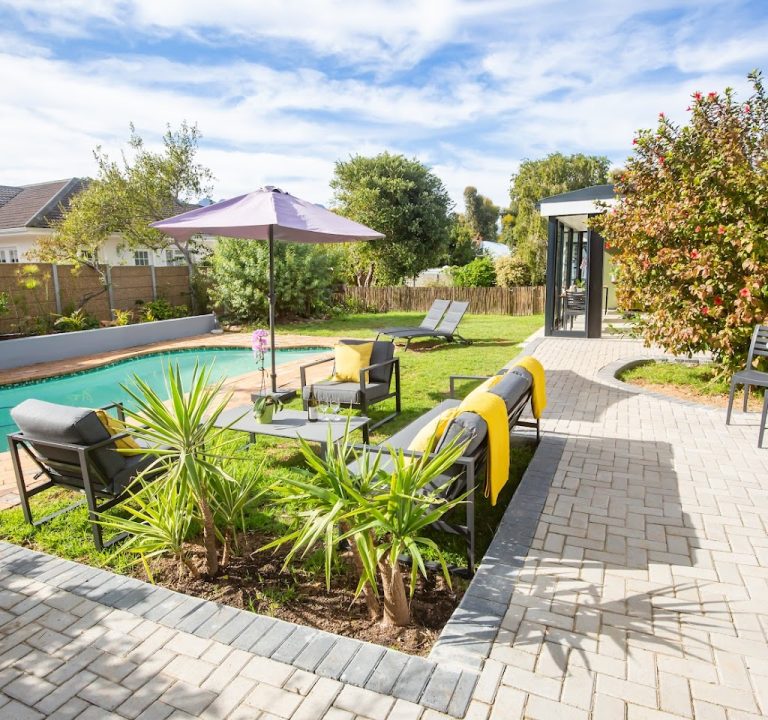
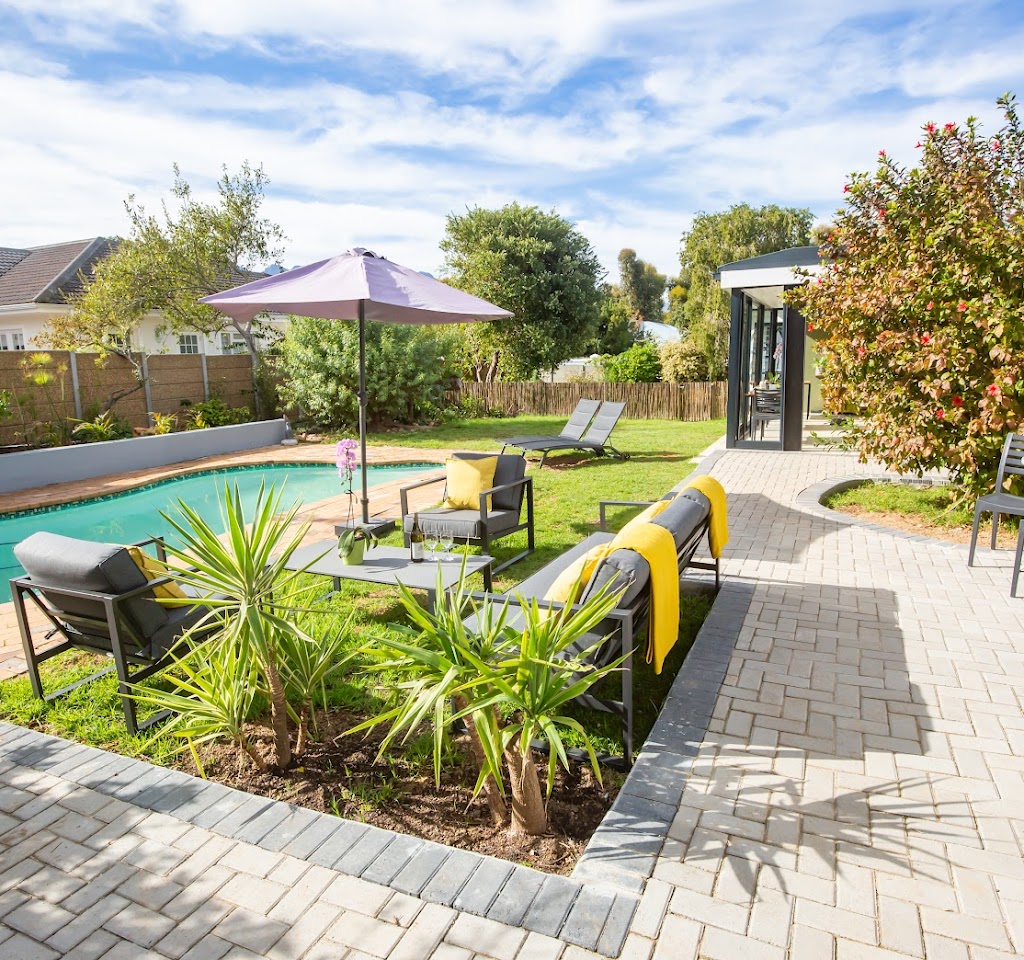
To illustrate the kind of stay that can be found in the region, consider a guesthouse in a scenic, well‑located setting. For example, a reputable guesthouse in Cape Town may offer a warm welcome, comfortable rooms, generous breakfasts, helpful local tips, and straightforward access to the city’s main sights. Their website will typically provide booking details, a sense of the property’s atmosphere, and convenient links to local experiences. If you are drawn to a property with character and history, many smaller establishments emphasise personalised service and practical advice for making the most of your visit. See for instance the Casa iLanga Guesthouse, a bed & breakfast that presents itself as a welcoming base with thoughtful touches and a strong sense of place; you can learn more through their official website at https://casailanga.co.za/.
Planned experiences and dining around Cape Town tend to be as varied as the city’s landscapes. After a day on the slopes of a nearby mountain or a stroll along a pristine coastline, you might choose to explore the V&A Waterfront area for its shops and casual eateries, or venture into markets and neighbourhood eateries that emphasise fresh seafood, flavours from the Cape and inventive modern cuisine. When selecting a place to eat, you’ll often find options that prioritise seasonal ingredients and regional produce, paired with wine from nearby vineyards. For a well-rounded visit, pair your stay with a mix of scenic activities—such as coastal walks, cable car rides or scenic viewpoints—and cultural experiences that reflect the city’s diverse heritage.
- Plan your stay around variety: central city convenience, coastal scenery, and a tranquil base nearby nature or wine routes.
- Choose accommodation with clear breakfast offerings, reliable Wi‑Fi, parking, and easy access to transport or guided tours.
- Invest in practical details: check check‑in times, accessibility, and flexibility for changes to plans.
- Balance outdoor days with indoor cultural experiences to avoid weather disrupting plans.
- Use local resources and property websites for guest tips, maps, and personalised recommendations.