Where to stay and what to do in Cape Town: accommodation planning, attractions and eating out
Cape Town offers a rich tapestry of accommodation styles, from intimate guest houses to boutique hotels and self-contained apartments. For travellers seeking a personalised stay, places such as Mockford Lodge exemplify a guest house approach, pairing homely hospitality with convenient access to the city’s neighbourhoods. When planning a stay, start by choosing a neighbourhood that fits your pace, interests and transport preferences, then weigh the practicalities of accessibility, amenities and value for money.
Areas to consider include the historic City Bowl and central districts, which place you within easy reach of museums, markets and nightlife; the Atlantic Seaboard, where dramatic coastal views accompany chic eateries and high-end guest houses; and the constant energy of inner-city hubs such as Woodstock or Green Point, which offer a mix of convert-era buildings, stylish lodging and proximity to parks and promenades. If you prefer leafy tranquillity and wine country vibes, Constantia or the nearby False Bay coastline provide guest houses with larger plots, gardens and access to scenic coastal walks. When booking, think about how you plan to move around. Cape Town’s hills and sea views are fantastic, but some areas require careful planning for transport, especially after dark.
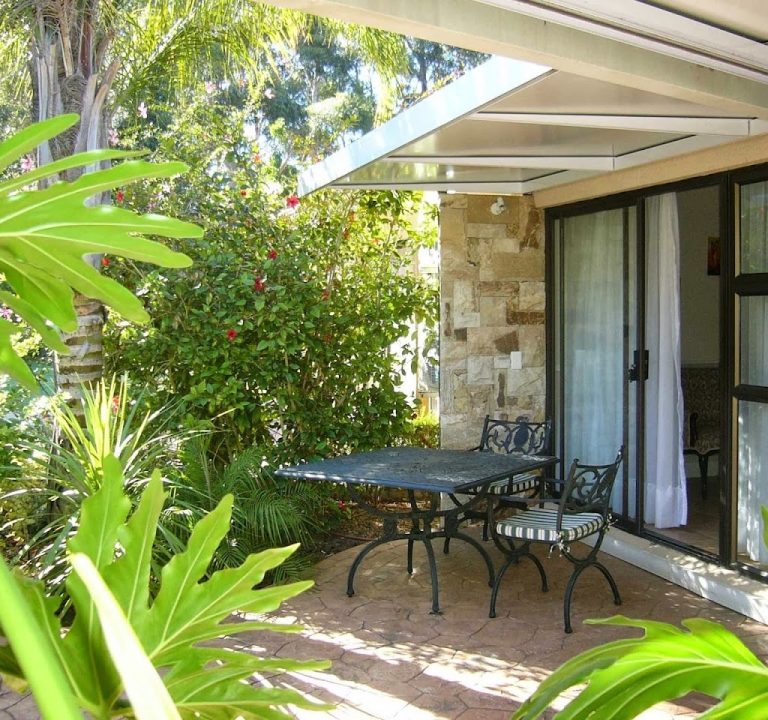
Typical amenities to look for include ensuite bathrooms, reliable Wi‑Fi, a continental or full breakfast option, secure parking or central access to public transport, and staff available for local tips. If you like home comforts, seek spaces that offer lounges, a well-equipped kitchenette or guest pantry, and laundry facilities. For families or longer stays, enquire aboutFamily-friendly rooms, cots, or sofa beds, and whether there are quiet areas for work or study. Special touches such as shaded terraces, a pool, or a garden can significantly enhance downtime after day trips along the coastline or up Table Mountain.
- Ensuite bathrooms; reliable Wi‑Fi; breakfast options
- On-site parking or easy access to public transport; security features
- Public spaces for relaxing or working; communal kitchens or guest lounges
- Guided or self-guided local information; flexibility on check-in/out
Transport in Cape Town ranges from car hire and ride-hailing to well-connected bus services and short train routes along the coast. If you plan day trips to the Cape Peninsula, Cape Point, or the Cape Winelands, a car can be convenient, especially for early starts. For city sightseeing, many areas are walkable, and in peak season the MyCiTi bus network and Uber-like services provide alternatives to driving. When booking accommodation, verify proximity to your preferred transport links and to points of interest. If you enjoy scenic walks, staying near a waterfront promenade, a Table Mountain base, or a mountain cable car hub can boost your daily plans without long commutes.
The best time to visit Cape Town depends on weather, crowds and what you want to do. Spring (September to November) and autumn (March to May) bring mild temperatures and manageable crowds, ideal for outdoor activities and views without peak-season heat. Summer (December to February) offers long days and vibrant city life, but can be busy, while winter (June to August) brings cooler air and occasional rain, which can be perfect for exploring indoor attractions and tasting rooms. Pack layered clothing, sunscreen, and a light rain jacket to adapt to changing conditions on the coast and in the mountains.
Practical planning tips help you get the most from your stay. Book accommodation well in advance for peak periods, particularly in neighbourhoods close to iconic sights. Read guest reviews with attention to cleanliness, host responsiveness and how well the property reflects the local character. Consider whether you prefer a hosts’ recommendations, or more independent stays. If a property lists breakfast, find out what it includes and whether you have dietary preferences. For travel comfort, confirm access to a private or shared outdoor space, and whether the room has quiet hours if you plan early starts or late evenings out.
Around Cape Town, there are many visitor experiences to consider. You can plan day trips to sweeping coastal routes, nature reserves and viewpoints, and you may encounter farmers’ markets, craft shops, and coastal towns that showcase South Africa’s diverse cuisine and arts scene. When it comes to dining out, the city’s restaurants offer a spectrum from casual delis and cafés to refined dining rooms. Rather than chasing specific names, look for places that emphasise fresh, seasonal ingredients, waterfront or mountain backdrops, and a welcoming ambience. Reservations are wise in busier periods, and many venues offer tasting menus or regional dishes that reflect the local terroir.
In addition to the main sights, consider experiences that complement your stay: guided walks with a local historian, a harbour or craft market visit, a short harbour cruise, or a wine-tasting excursion in nearby valleys. For nature lovers, a morning hike on a Table Mountain trail or a stroll through Kirstenbosch National Botanical Garden can be refreshing ways to frame your itinerary. Cape Town’s hospitality scene rewards visitors who balance iconic landmarks with quieter neighbourhood discoveries, helping you tailor a memorable, authentic break in the Western Cape.