Cape Town Accommodation and Attractions: Planning Your Stay
Few places in the world offer such a magnetic mix of scenery, culture and gastronomy as Cape Town. Whether you are seeking a stylish boutique guesthouse, a comfortable family-friendly lodge, or a modern city apartment, the Western Cape’s capital has options to suit a wide range of preferences and budgets. When planning a stay, consider the neighbourhoods that best fit your itinerary and how you like to move around the city.
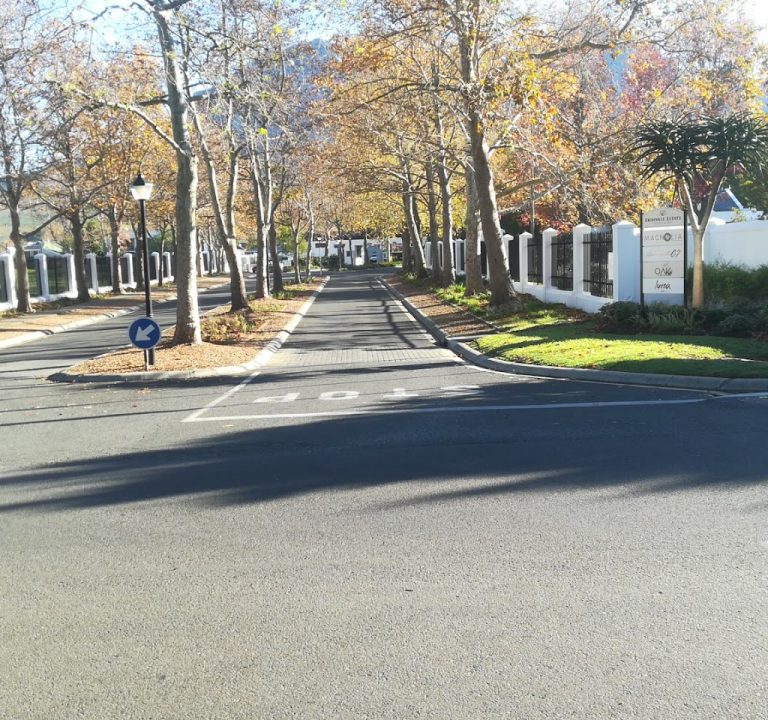
Popular areas to base yourself include the City Bowl and CBD for easy access to museums, theatres and lively dining scenes; the Atlantic Seaboard (including areas like the Waterfront, Bantry Bay and Camp’s Bay) for dramatic sea views and beach access; and the leafy Constantia Valley for a quieter, more relaxed vibe with easy access to vineyards and scenic drives. If you want a balanced mix of nature and city convenience, Green Point or de Waterkant are excellent choices with good transport links, proximity to the sea, and plenty of eateries within walking distance. For families or travellers seeking a wooded, tranquil backdrop, Constantia and surrounding wine estates offer a countryside feel within short reach of the city’s highlights.
When selecting accommodation, look for clear indicators of comfort and convenience. Key amenities include reliable Wi‑Fi, secure on-site parking or easy access to public transport, daily housekeeping, and flexible breakfast options. If you rely on a kitchen or self-catering facilities, check for a well-equipped kitchenette or kitchenette access. For those who prefer staff on hand, seek guesthouses or boutique hotels that offer reception desks with friendly service, local knowledge, and activity planning assistance. Cape Town’s climate is temperate, but mornings can be cool and afternoons warm; a property with heating options or warm blankets can be a sensible feature for shoulder seasons.
Transport is a major consideration. The city has a modest public transport network, but many visitors rely on rental cars, ride-hailing services, or guesthouses with airport transfers. Proximity to MyCiTi bus routes, Uber or Bolt services, and secure parking can save time and reduce stress. If you enjoy exploring by foot, choose a neighbourhood with walkable streets, a short stroll to cafés, markets and viewpoints. For day trips along the Cape Peninsula or to Stellenbosch and Franschhoek, a guesthouse with on-site parking or convenient tour connections is particularly helpful.
Best time to visit Cape Town is pragmatic: pleasant springs (September to November) and autumns (March to May) offer mild weather and fewer crowds, making it ideal for sightseeing and outdoor activities. Summer (December to February) brings warm days perfect for beaches and sailing, but can be busy. Winter (June to August) is cooler and wetter, yet offers dramatic landscapes and lower accommodation rates in some areas. Regardless of the season, packing a light waterproof jacket, sunglasses, a hat, and comfortable walking shoes will serve you well.
When it comes to attractions, Cape Town’s natural and cultural landscape is rich without needing to overplan. Iconic Table Mountain and the surrounding national park offer cable car access and hiking routes for different fitness levels. The Cape Peninsula makes for breathtaking coastal drives with viewpoints that reveal rugged cliffs and turquoise seas. Waterfront areas provide a gateway to seaside strolls, harbour atmosphere, and markets, while the Kirstenbosch National Botanical Garden showcases South Africa’s flora against the backdrop of towering mountain slopes. In addition to natural beauty, a focus on local cuisine—riverfront dining, bistros, and casual eateries—will reveal South Africa’s culinary diversity, from fresh seafood to farm-to-table plates, with wines from nearby regions often on offer at many venues.
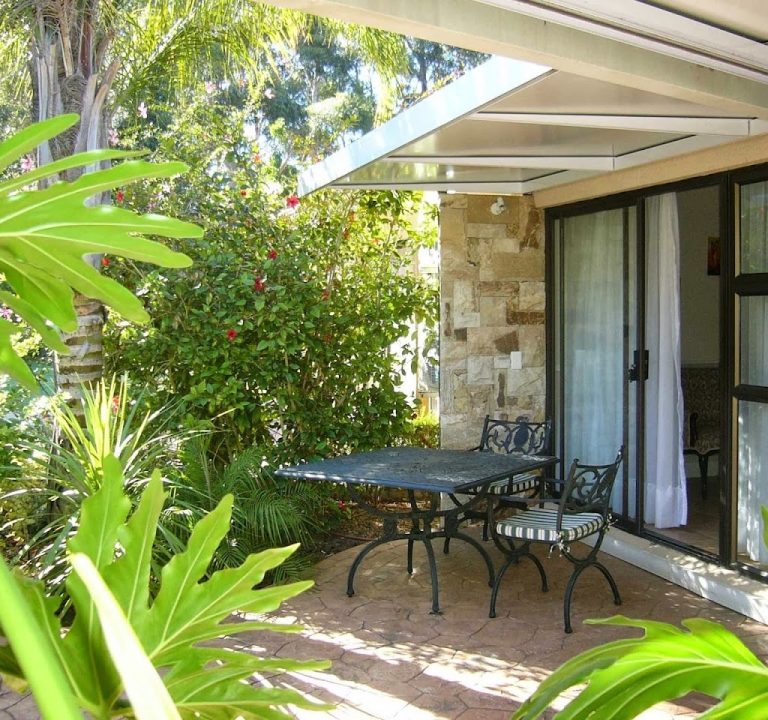
For accommodation with a sense of place, consider a guesthouse or boutique hotel that reflects the area’s character. A guest house in a leafy suburb may provide a calmer stay with intimate service, while a property closer to the V&A Waterfront or Green Point tends to offer easy access to transport, eateries, and nightlife. A notable example in the wider Cape Town region is Cape Khamai, a guest house that typifies the intimate, home-from-home style travellers often seek when visiting the Cape Town area. Always check guest feedback, recent photos, and whether the host can offer personalised recommendations for local experiences, such as guided walks, markets, or boutique tastings.
- Ask about parking arrangements and access to public transport.
- Check for flexible breakfast options and kitchen facilities if you prefer self-catering.
- Request advice on local day trips and reliable tour operators.
- Inquire about late check-in arrangements if you plan to arrive by evening.
- Review cancellation policies in case plans change due to weather or travel disruptions.
Finally, having a practical plan for dining and activities can elevate a stay. Book a few restaurant experiences in advance, but also leave space for spontaneous discoveries in markets and friendly neighbourhoods. Cape Town rewards travellers who balance planning with curiosity—allow yourself time to wander, take in the scenery, and let the city’s diverse pockets guide your days. For more inspiration, consider visiting official tourism sites for current events, seasonal highlights, and suggested itineraries that suit your dates and pace.