A Guide to Accommodation and Experiences in Cape Town, Western Cape
Cape Town blends dramatic scenery with a cosmopolitan atmosphere, making it a superb hub for a stay that combines comfortable accommodation with easy access to world‑class attractions, diverse dining, and unique experiences. Whether you seek a stylish city base, a beachside retreat, or a quiet escape in the winelands, the Cape Town region offers a range of options to suit different budgets and itineraries.
When planning where to stay, consider the neighbourhoods and what you want to do each day. The City Centre and the surrounding City Bowl are convenient for museums, markets, and dining, with quick access to MyCiTi buses and rideshare services. If you want sandy beaches and sunset views, areas such as Camps Bay, Clifton, and Sea Point provide coastal vibes within easy reach of the city core. For a leafy, wine‑and‑nature leaning base, Constantia and the southern suburbs are ideal, offering easy trips to the Constantia Valley estates as well as scenic climbs up Table Mountain via the cableway or via the Forestier routes. If colour and culture call, the Bo-Kaap and De Waterkant neighbourhoods present rich heritage and vibrant street life, with plenty of guesthouses and boutique stays nearby. For a rural escape yet close to city amenities, day‑trips to Constantia wine estates or the nearby Cape Winelands are convenient from several self‑catering options and guesthouses.
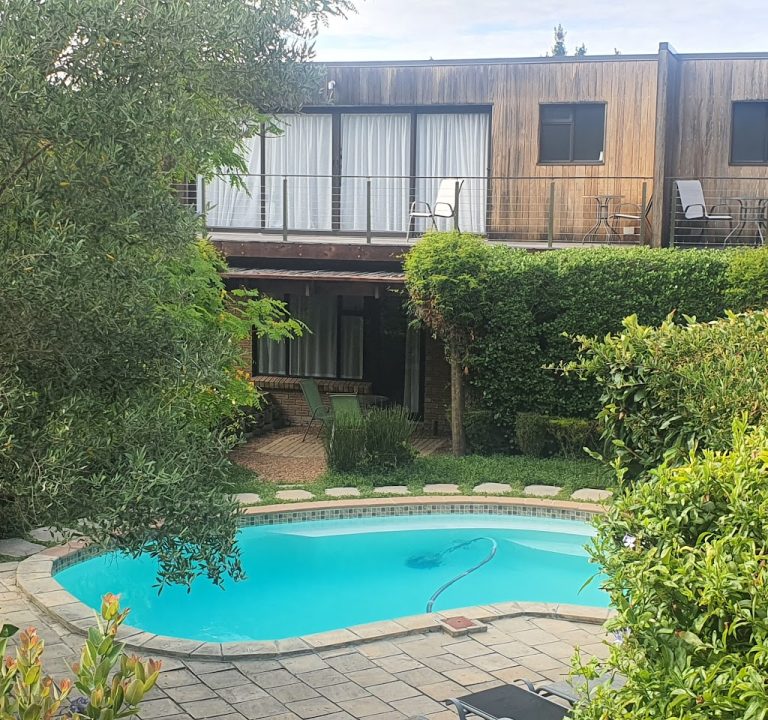
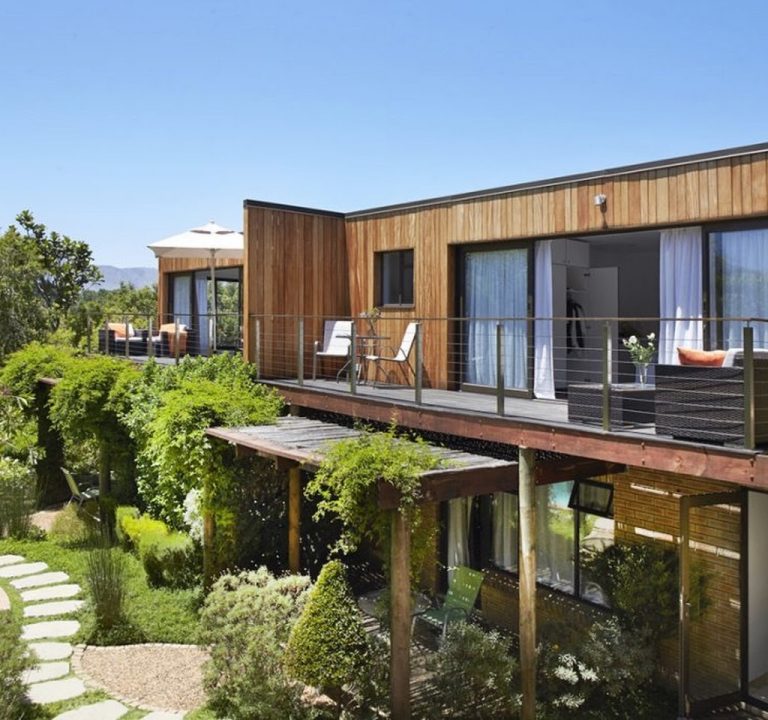
Accommodation types range from stylish boutique hotels and guesthouses to self‑catering apartments and lodges. Self‑catering options, such as Agape’ Garden Rest, can provide a flexible base with kitchen facilities and private spaces, allowing guests to pace their days around activities or early starts for hikes and dawn coastal walks. When choosing, look for essentials such as reliable bedding, adequate storage, and a well‑equipped kitchen or kitchenette if you plan to cook. Free Wi‑Fi, secure parking, heating or air conditioning, and clear information about neighbourhood safety are practical considerations in this region.
Typical amenities you might encounter include a well‑equipped kitchen or kitchenette, a comfortable living area, dedicated workspace, laundry facilities, and private or shared outdoor spaces. Many properties offer daily housekeeping, in‑room safes, and accessibility features. If you are visiting in peak season, confirm late‑checkout possibilities or secure, easy access to umbrellas, beach towels, or parking, as these little details can make a stay more effortless. For families or longer stays, look for family rooms, interconnecting suites, or larger apartments with separate bedrooms.
Transport in Cape Town is practical but varies by area. The MyCiTi bus network offers routes across the city and into some suburbs, while Uber and other rideshare apps are convenient for short hops and evenings out. If you plan to explore beyond the city, consider renting a car or arranging private transfers for day trips, such as visits to Table Mountain, the Cape Peninsula Drive, or wine estates inland. Proximity to reliable transport hubs – a bus stop, train station, or a well‑located car‑park – can save time and reduce stress, particularly if you aim to explore a broader circuit of the Western Cape.
The best time to visit Cape Town depends on what you want from your trip. Spring (September to November) and autumn (March to May) offer mild weather, blooming scenery, and fewer crowds on popular hikes. Summer (December to February) brings long days and vibrant outdoor life, with warm seas ideal for beaches and outdoor markets. Winter (June to August) is cooler and rainier, yet it can be a good period for enjoying culinary scenes, museums, and cosy guesthouses with fireplaces. Regardless of season, early mornings often provide the best light for coastal walks and Table Mountain views, while late afternoons are perfect for sunset photography over the Atlantic seaboard.
Food and drink are a major part of the Cape Town experience, with a culinary scene that ranges from fresh seafood shacks to contemporary pop‑ups and refined restaurants. In addition to iconic seafood spots along the coast, you’ll find a broad spectrum of eateries offering local and international flavours. When choosing dining options, balance flavours with locations that suit your day’s plan—whether you want a quick, casual bite after a morning of hiking or a relaxed dinner with views. For a well‑rounded day, you might pair a guesthouse or hotel stay with a morning market visit, a harbour or waterfront stroll, and a late afternoon café stop or wine‑tuel tasting in the surrounding hills.
Practical tips to help you plan a smooth stay in Cape Town:
- Book accommodation with clear cancellation policies and flexible check‑in/out if your plans are subject to change.
- Ask about security features, especially if you plan to stay in busy urban areas or travel with expensive gear.
- Confirm if the property offers airport transfers or guidance on the best local transport options.
- Check the proximity to attractions you wish to visit and factor in travel times, particularly for early starts or late returns.
- Pack versatile clothing for changeable coastal weather and sunny days, plus comfortable footwear for walks and hills.
For inspiration and practical information on planning a stay, consider consulting official tourism resources and reputable guides. Cape Town’s combination of landscapes, culture and cuisine makes any visit richly rewarding, whether you are drawn to sweeping sea vistas, historic neighbourhoods, or modern dining and shopping experiences. When you’re ready to book, prioritise comfort, convenience, and a neighbourhood that aligns with your planned activities, and you’ll be set for a memorable, well‑rounded Cape Town stay.