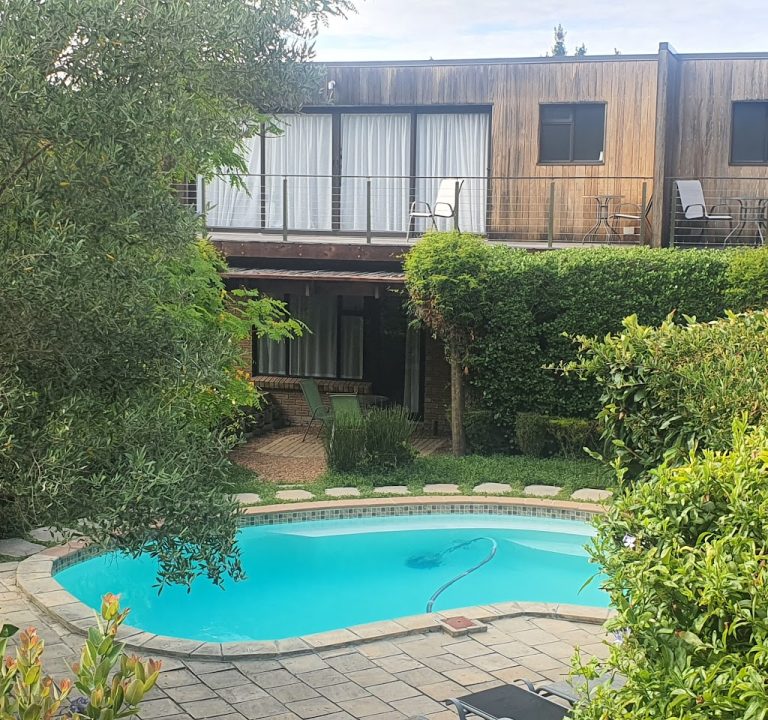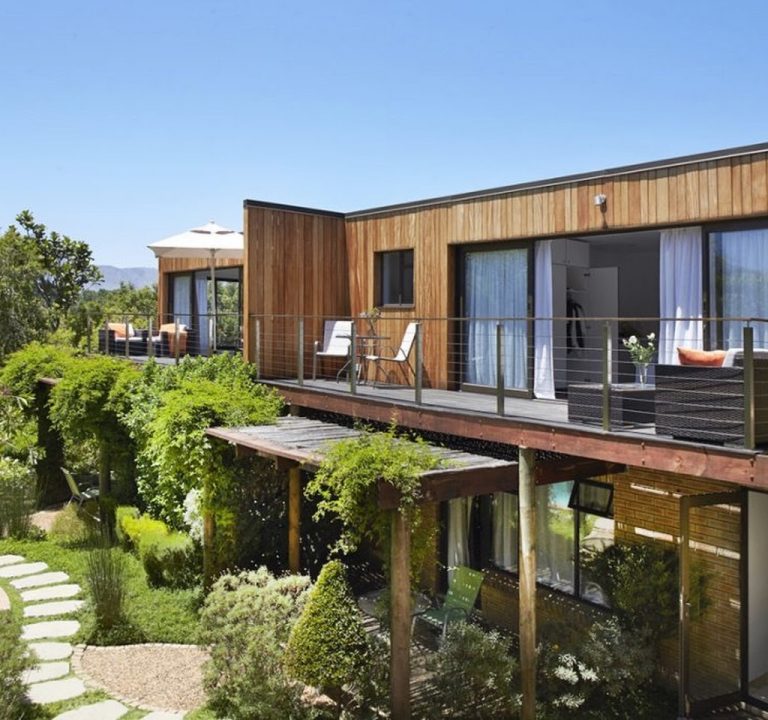
51 Oldenland Guest House is a Guest house establishment in Cape Town, Western Cape, South Africa
About 51 Oldenland Guest House, Somerset West
Hidden at the foothills of the Helderberg Mountain, 51 Oldenland Guest House presents a small, friendly retreat with a big view. This guest house is described as a well-organised, welcoming home-away-from-home where guests can unwind in a peaceful setting while still being close to the action of the Cape region. With space for a maximum of ten guests, the property emphasises personal service and a thoughtful approach to making each stay comfortable and uncomplicated.
Situated in Somerset West, the guest house enjoys a serene position adjacent to the Hottentots Holland Mountain range and nature reserve. This backdrop provides a striking, natural setting for guests who appreciate easy access to outdoor scenery without sacrificing convenience. The location is expressed as an ideal base for exploring broader Cape Town sights and coastal destinations, offering a straightforward approach to reaching well-known attractions and day trips in the Western Cape.
From its positioning, the guest house is well-placed for visitors who may be arriving from Cape Town International Airport, with a practical drive time quoted as about thirty minutes. Such proximity to the airport makes it a sensible option for travellers seeking a gentle start to their South African journey or a relaxed end to a busy itinerary. The surrounding area combines easy access to beaches, historic towns, and renowned scenic routes, all within reach for guests who wish to structure a personalised Cape region itinerary.
In terms of the overall experience, 51 Oldenland Guest House is framed as a small-scale operation designed to offer personal attention. Guests looking for a cosy, straightforward stay that blends comfortable accommodation with a friendly, homely atmosphere may find this setting appealing. The emphasis appears to be on hospitality that makes guests feel at ease, alongside a simple, uncomplicated stay that supports time spent exploring the wider Cape area.
For travellers who prefer a plan that balances independence with a touch of guided ease, the guest house can function as a practical home base. Its described priority on a personal service approach suggests guests can expect a responsive environment where hosts aim to support and accommodate diverse travel styles—whether that means comfortable rest after day trips, a quiet space for reading, or a convenient place to regroup before the next adventure.
The area around 51 Oldenland Guest House is presented as being well connected to a variety of nearby highlights. The proximity to notable Cape region experiences—from the Cape Point and the broader Cape Peninsula to the Garden Route and the towns of Hermanus and Stellenbosch—offers flexibility for guests who wish to tailor a memorable Western Cape itinerary. In addition, the short distance to the strand at False Bay—about a fifteen-minute drive to the white sandy beach of Strand—adds a coastal option for enjoying sun, sea, and relaxing beach days during a stay.
Accommodation style and amenities are described at a high level, with an emphasis on comfort and a home-like ambiance. While specific room types, en-suite facilities, or on-site amenities are not enumerated in detail, the overall tone points to a straightforward, clean, and approachable lodging experience. The focus remains on delivering a comfortable space that supports easy living and uncomplicated stays, rather than elaborate, high-service hotel configurations.
Who might appreciate this guest house? It seems well suited to solo travellers seeking a peaceful base, couples looking for a quiet retreat with scenic views, and families or small groups seeking a friendly, intimate setting. The small size and personalised service are particularly appealing to guests who value attentiveness without formality, and who are keen to feel at home while exploring the wider Cape region.
Booking and travel tips for prospective guests include considering the location as a convenient jumping-off point for Cape Town’s airport access and the surrounding natural and coastal attractions. With a modest footprint and a focus on personal guest care, planning a stay that balances outdoor exploration with downtime at the guest house could yield a well-rounded Cape experience. Visitors are advised to review the official website for the most current information on availability, pricing, and any policies that relate to stays, access, and check-in arrangements. For direct details and booking possibilities, the site offers a gateway to learn more and make arrangements online.
- Location: Somerset West, at the foot of the Helderberg Mountain with mountain and nature reserve views
- Nearby highlights: Easy access to Cape Town, the Garden Route, Hermanus, Stellenbosch, and the Strand beach
- Travel considerations: Approximately 30 minutes from Cape Town International Airport; about 15 minutes to Strand beach
For more information and to explore availability, potential guests can visit the official website: http://hottentotsmountainview.com/.
Cape Town
Western Cape
Somerset West, Cape Town
South Africa
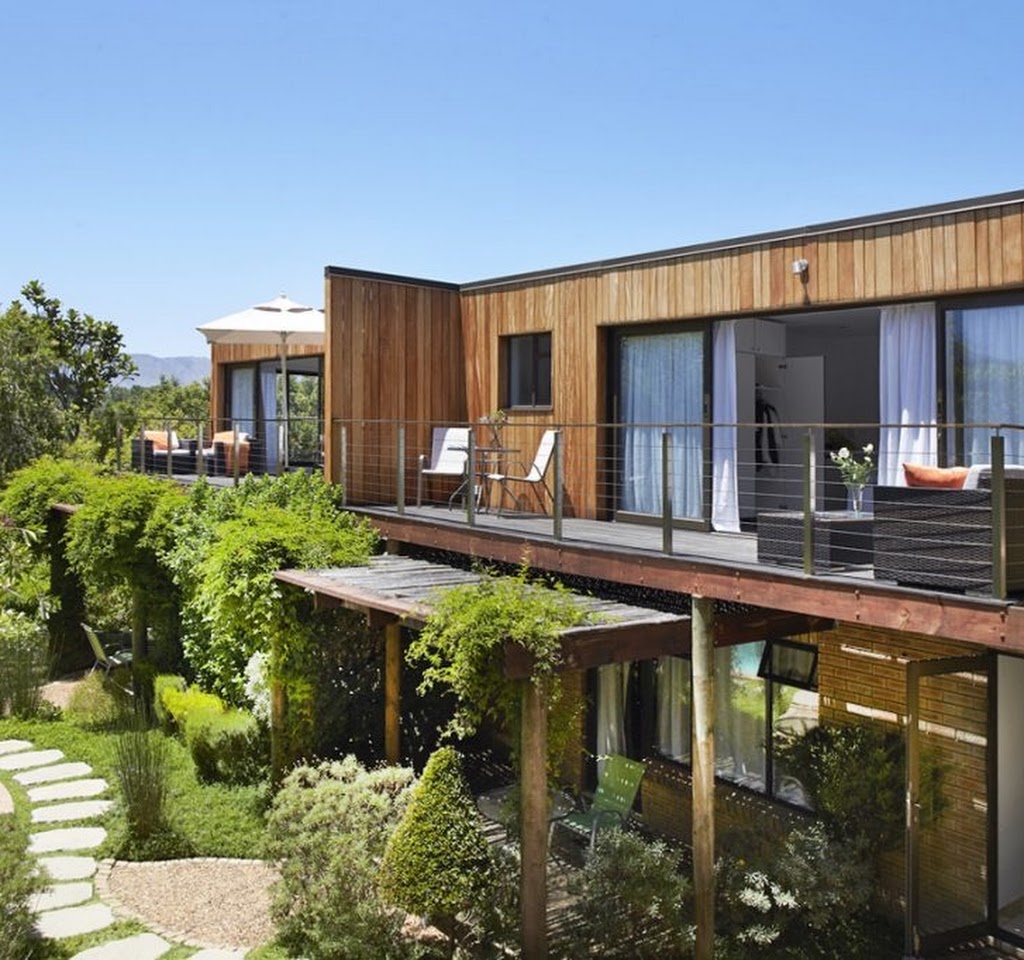
Accommodating Cape Town: where to stay, what to expect, and how to plan your visit
Cape Town, in the Western Cape of South Africa, is a region of dramatic contrasts, from sea to mountain and wine country to city bustle. Planning a stay here often means choosing a base that suits your style as well as your itinerary. Whether you prefer a cosmopolitan neighbourhood with easy dining and nightlife, a tranquil coastal pocket, or a hillside guesthouse with sweeping views, there are options to fit most tastes and budgets. A stay in the area can be complemented by day trips to the nearby winelands, reserves, and coastal towns, all reachable within a short drive.
When selecting accommodation, consider the following to maximise comfort and convenience during your visit:
- Proximity to your must-see areas: Table Mountain, the V&A Waterfront, Kirstenbosch Botanical Gardens and the Cape Peninsula are all reachable from different parts of the city, but travel times vary with traffic and routes.
- Access to transport: a private car offers the greatest flexibility for exploring beyond the city, while guided day tours and specialised shuttle services can simplify logistics for specific interests such as wine tastings or wildlife encounters.
- Neighbourhood character: the city bowl and central districts tend to be vibrant, with cafés and shops nearby; southern suburbs and coastal towns tend to be quieter and more residential, with scenic views and easy access to beaches.
- Guesthouse and hotel style: boutique guesthouses often provide personalised service and local knowledge, while larger hotels may offer more in-house facilities such as pools, fitness rooms, and on-site dining.
Typical amenities to look for include reliable Wi-Fi, secure parking if you’re hiring a car, climate control for hot summers and cooler evenings, and thoughtful extras such as a well-equipped kitchenette, laundry facilities, or outdoor spaces. Breakfast is a common highlight in many homely guesthouses, and some properties may offer additional services like guided walks, in-room essentials for travellers, or curated local recommendations. If you are staying in a guesthouse, read about the host’s hospitality approach and any limits on guest numbers to avoid overbooking or service gaps.
Best times to visit Cape Town depend on your weather preferences. Summer (December to February) is warm and dry, ideal for beaches and outdoor activities, but can be busy. Autumn (March to May) and spring (September to November) bring milder temperatures and vibrant landscapes, often with fewer crowds. Winter (June to August) is cooler and wetter, yet still offers a chance to enjoy city sights, museum spaces, and culinary experiences with gentle mosques of rain and cooler evenings. If you’re focused on wine regions, note that harvest periods can be busy, while quieter periods may offer more relaxed tours and tastings.
Getting around the city and the surrounding areas is straightforward with a mix of options. A self-drive itinerary gives you maximum freedom to explore Cape Point, Constantia and the Cape Winelands, as well as coastal towns such as Hout Bay or Muizenberg. Public transport within Cape Town, including certain bus and train routes, can be convenient for specific routes, but many visitors find a car or organised tours more practical for reaching vineyards and nature reserves outside the central areas. For longer journeys, plan for extra travel buffers during peak traffic hours and seasonal events.
Beyond the accommodation, Cape Town offers a wealth of attractions and experiences that can form a flexible itinerary. Iconic natural highlights include views from mountain peaks, dramatic coastal scenery, and accessible walking trails that suit a range of fitness levels. Cultural experiences span museums, galleries and markets that reflect the city’s heritage and contemporary energy. On the dining front, expect a diverse culinary scene ranging from fresh seafood and regional favourites to global flavours, with many eateries favouring seasonal, locally sourced ingredients. For a balanced visit, consider pairing a few structured experiences with time to wander, café-hop and soak up the harbour and mountain vistas at your own pace.
For accommodation with a characterful base and a connection to local landscapes, you might explore options located in or near Somerset West, Constantia, or the Atlantic Seaboard, each offering different access points to Cape Town and the surrounding scenery. For instance, a guesthouse perched at the foothills or within a vineyard precinct can provide panoramic views and a tranquil start and end to busy sightseeing days. A representative example of a guesthouse with a strong sense of place can be found at http://hottentotsmountainview.com/, which situates guests close to nature and within reach of the wider Cape Town region. Always review current guest reviews and official information to confirm location, facilities, and any booking requirements before confirming your stay.
Practical tips to help you plan smoothly:
- Trail and route planning: sketch a rough outline of top priorities (Table Mountain, Robben Island, the Cape Winelands, beaches) and then map feasible day trips based on your accommodation location.
- Time management: allow extra time for mountain routes and coastal scenic drives; Cape Town traffic can be unpredictable, especially during peak hours and holiday periods.
- Health and safety: stay aware of local laws and general safety practices, especially when exploring busy areas or nightlife hubs. Secure bags and valuables when you venture into crowded spaces.
- Weather readiness: pack layers. Even in warmer months, coastal breezes and evening temperatures can be cooler, and sun protection remains important year-round.
- Booking strategy: during peak seasons, book accommodation and key activities well in advance to secure your preferred locations and dates.
With careful planning, a stay in Cape Town can reveal a blend of comfortable bases, memorable sights, and delicious, varied dining that showcases the best of the Western Cape. Whether you’re drawn by the mountain vistas, the lush wine regions, or the bustling urban scene, your choice of lodging can become a gateway to a rich and rewarding South African experience.
Sorry, no records were found. Please adjust your search criteria and try again.
Sorry, unable to load the Maps API.
Why Claim Your Listing?
Claiming your listing on the B&B Finder directory website is a valuable opportunity for business owners. Here are five reasons why you should consider claiming your listings:
Control Over Business Information: By claiming their listing, business owners can ensure that all the information presented is accurate and up-to-date. This includes details such as contact information, address, pricing, and available services or amenities. Accurate information helps prevent customer confusion and improves overall satisfaction.
Enhance the Listing: Once a listing is claimed, owners can enhance it by adding more comprehensive information and rich media, like high-quality photos and videos. These additions can make the listing more attractive and engaging to potential customers, thereby increasing the likelihood of bookings.
Marketing Opportunities: Claiming a listing can also open up additional marketing opportunities. Owners may be able to participate in promotional campaigns, special offers, and other marketing activities organized by the directory. This can increase visibility and attract more customers to the business.