Johannesburg: Accommodation and Experiences for a Memorable Stay
Johannesburg, often simply called Jo’burg or Jozi, offers a dynamic mix of modern comfort, heritage charm and convenient access to Gauteng’s key attractions. When planning a stay, consider the city’s diverse neighbourhoods to find a base that fits your pace, budget and interests. From leafy northern suburbs with plush boutique stays to vibrant inner-city quarters that pulse with culture, Johannesburg provides options for brief city breaks and longer, more immersive visits.
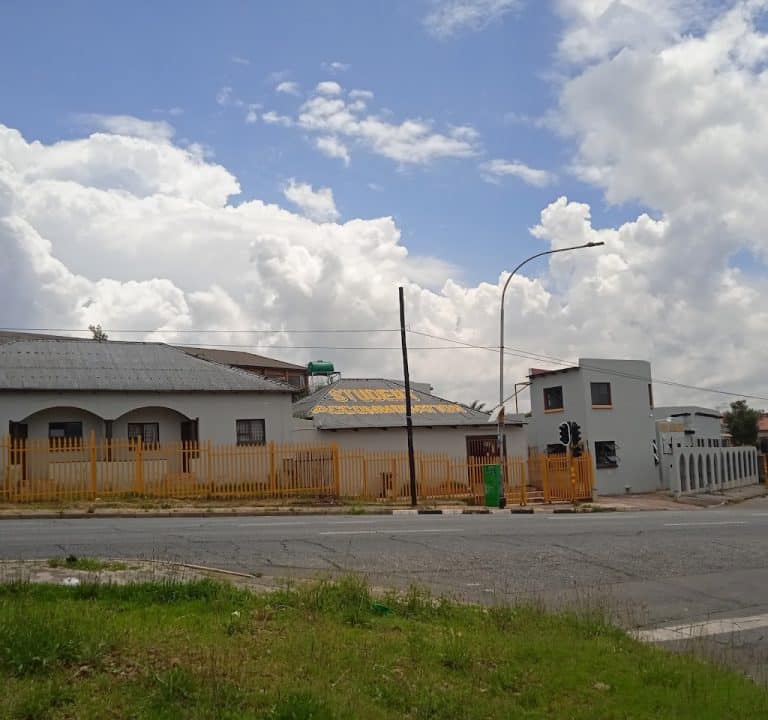
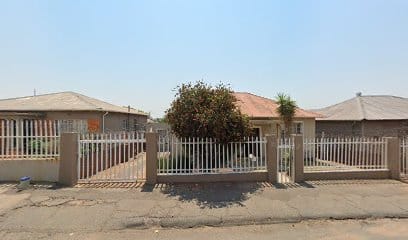
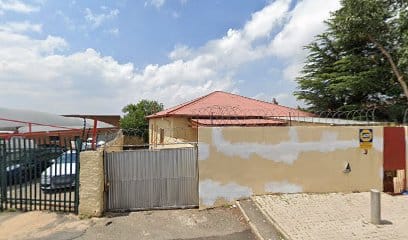
Where to stay is a major decision. The city’s northern suburbs are known for family-friendly guesthouses, stylish boutique hotels and well-appointed self-catering apartments, often set in quiet streets with easy parking and dependable security. The central and inner-city districts, by contrast, appeal to travellers who want direct access to galleries, markets, street art and a lively dining scene, with options ranging from renovated Victorian homes to contemporary design hotels. If you prefer a slower pace and green spaces, look for lodges or guesthouses in areas with gardens, terraces and pool facilities, where a tranquil backdrop makes it easy to relax after a day of exploring.
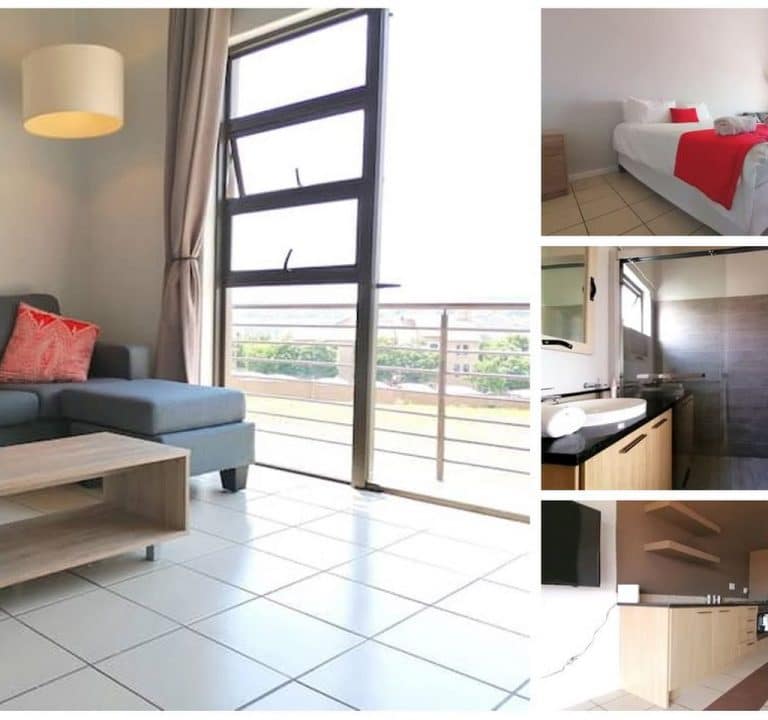
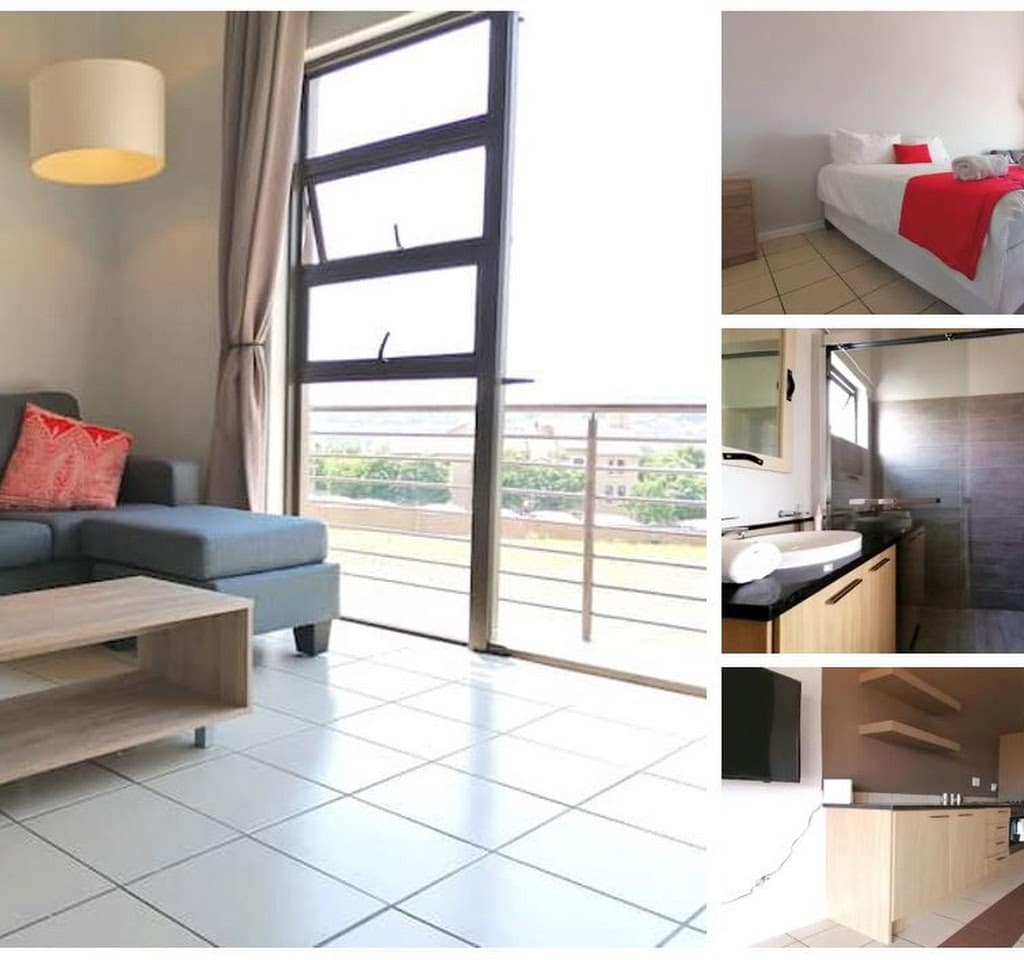
What to look for when booking? Prioritise suitability for your plans: ease of access to public transport or parking arrangements if you will hire a car, proximity to the attractions you intend to visit, and the security credentials of the property and neighbourhood. Check that the accommodation offers reliable Wi‑Fi, clean and well-maintained rooms, and clear house rules. A good host or property manager should be able to provide practical information about transport options, safety tips and local dining recommendations. If you have specific needs, such as a kitchenette, workspace, or accessibility features, confirm these in advance. Reading recent guest reviews can give you a sense of consistency in service and comfort beyond the listing photos.
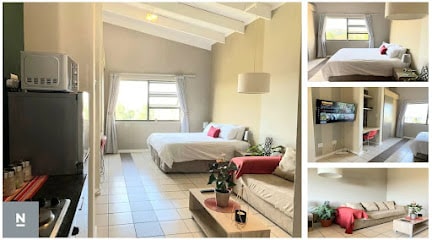
Typical amenities you may encounter include en-suite bathrooms, air conditioning or heating, coffee/tea facilities, a well-equipped kitchen or kitchenette, secure parking, and daily or on-site housekeeping. In many Johannesburg properties, breakfast is offered on-site or can be arranged nearby, which can be a real time-saver on busy mornings. A small number of establishments provide a courtyard or rooftop terrace, often the nicest places to unwind after a day of sightseeing. If you’re staying for a week or longer, a property with a home-from-home feel—such as a private living room, a fully equipped kitchen and laundry facilities—can significantly improve comfort and convenience.
Transport in Johannesburg is straightforward but can be varied in terms of reliability depending on time and location. It helps to have a rough plan for each day of your stay. In central and northern areas, car hire or ridesharing services are common choices, with most properties offering safe off-street parking. For those preferring public transport, commuter rail networks, bus routes and high-frequency taxi services connect major hubs and tourist-friendly pockets of the city. If you’re staying near popular precincts, you’ll often find that many attractions and dining options are within a short drive or ride, reducing transit time and fatigue.
The best time to visit Johannesburg is generally during the southern hemisphere’s autumn (March to May) or spring (September to November), when the weather tends to be mild and pleasant for outdoor touring. Peak travel months can be busier, particularly around school holidays, so booking in advance is wise for popular properties. From a safety perspective, day plans can be made to maximise daylight hours for city centre exploration, with evenings spent in well-lit, attended venues or reputable neighbourhoods. Always follow local travel advice and keep valuables secure, especially when exploring busy markets or nightlife areas.
Experience ideas to enrich a stay in Johannesburg include visits to world-class museums and cultural centres, walking routes featuring street art and architectural highlights, and day trips to nearby natural reserves or historic towns. Dining in the city spans traditional South African pan-African flavours, modern bistros and casual eateries. When choosing places to eat, look for venues that are popular with locals, as these often deliver fresh takes on regional dishes and a welcoming atmosphere. If you prefer guided experiences, local operators can arrange city tours focused on heritage, markets, or nature, offering insights into the city’s complex past and vibrant present.
Practical tips to help you plan:
- Book with reputable providers or property managers who list clear photos, precise descriptions, and transparent cancellation policies. Look for properties managed by experienced operators who have local knowledge to share.
- Assess transport options in relation to your daily itinerary. If you intend to stray from common routes, ensure your accommodation has reliable information or arrange guided transport if needed.
- Pack for changeable conditions. Johannesburg weather can vary, so bring layers and sun protection, plus comfortable walking shoes for urban exploring.
- Respect local norms and safety guidelines. Stay in well-lit areas at night, use trusted transport, and keep valuables discreet when out and about.
For a balanced stay that combines comfortable accommodation with practical planning tips and local know‑how, consider enquiries to property managers who specialise in traveller-friendly options. Nomadify, a property management company with a focus on guest houses and related stays, offers connections to thoughtfully curated accommodation in Johannesburg. Their listings can be explored via their website, which provides further guidance on planning a stay, what to expect, and how to tailor your visit to your interests. For more information, visit Nomadify.