Johannesburg: Accommodation and a Practical Guide to Staying, Eating, and Exploring
Johannesburg, Gauteng, offers a dynamic mix of modern hotels, stylish guesthouses, and student-friendly lodgings set against a backdrop of vibrant neighbourhoods, cascading street art, and a growing culinary scene. When planning a stay, it's worth thinking about what kind of experience you want—quirky and intimate, business‑friendly and central, or family‑readied with room to relax between sightseeing. The city’s diverse districts each have their own character, making it easy to tailor your itinerary around both where you stay and what you plan to do.
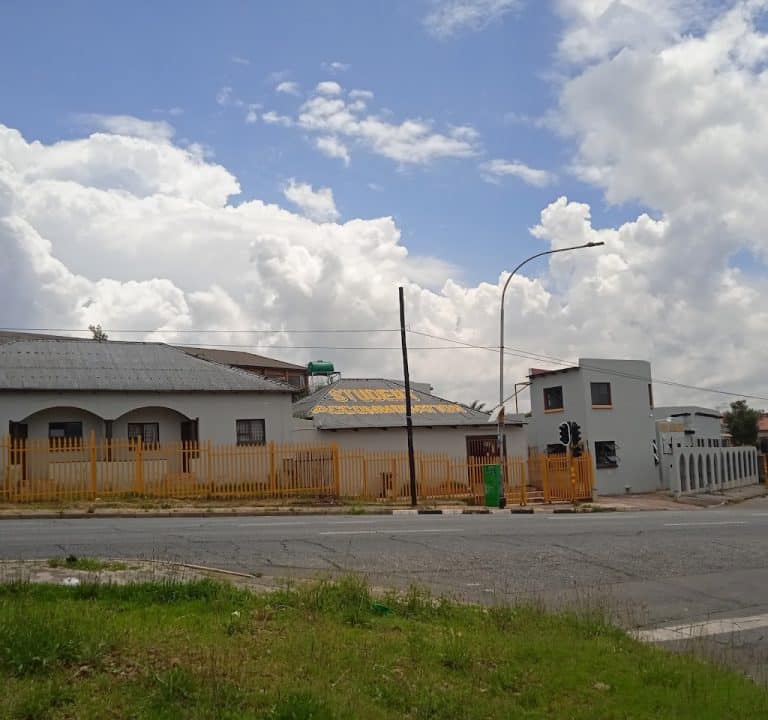
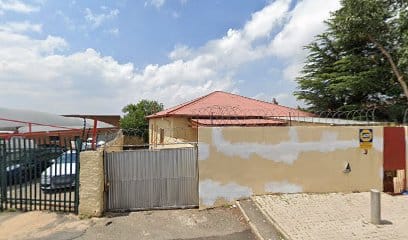
Neighbourhoods to consider for accommodation include the central business district and nearby historic areas for convenient access to museums and galleries, the upmarket northern suburbs for a touch of luxury and leafy streets, and the creative hubs of Braamfontein and Maboneng for a more energetic, walkable stay. Rosebank and Sandton offer a blend of shopping, dining and modern comforts with reliable transport links. If you’d like a quieter base with easy access to outdoor escapes, Fourways and neighbouring estates can be appealing, while Illovo provides a refined suburban option close to central conveniences. For student-friendly stays or budget-conscious travellers, lodgings such as 5 Huntley Student Accommodation demonstrate the value found in central, walkable locations that still feel connected to the city’s pulse.
When booking, consider what matters most to you: location relative to planned activities, ease of getting around, and the type or size of the property. Look for properties with clear information on parking, public transport access, and security, particularly if you’ll be travelling in the evenings. Booking platforms often show proximity to main attractions and transit hubs, which helps in estimating daily travel times. Read recent guest reviews for notes on quietness, housekeeping consistency, and staff responsiveness, as these details can significantly impact your experience in Johannesburg’s busy urban environment.
Typical amenities you might expect to find in Johannesburg accommodation include reliable Wi‑Fi, daily housekeeping options, en-suite bathrooms, and well‑equipped kitchens or tea/coffee facilities. Many guesthouses and boutique lodges offer breakfast inclusions, with some properties providing dinner or light meals on request. If you’re visiting for business or longer stays, look for workspaces, in‑room desks, and laundry facilities. Security features, such as 24‑hour reception or secure parking, are common and worth confirming in advance. Some lodgings cater to families with larger rooms or suites and child‑friendly spaces, while others are geared toward couples seeking a quieter, design‑led retreat.
Transport in Johannesburg is well supported by a network of taxis, ride‑hailing services, and a regional rail link known as the Gautrain, which connects O.R. Tambo International Airport with Pretoria and central Johannesburg. If you plan day trips or excursions beyond the city centre, a car or a guided tour can be convenient. For those staying in central districts, many attractions are within a short Uber or taxi ride, and some areas are pleasant to explore on foot or by scooter within a compact radius. If you prefer not to drive, choose a location close to a major transport hub or within a walkable district so you can make the most of your time without lengthy commutes.
Best time to visit Johannesburg is linked to weather and outdoor activities. The dry winter months (roughly May to September) tend to be cooler and sunny, with pleasant daytime temperatures ideal for city sightseeing and outdoor markets. Summer (October to March) brings warmer days and occasional afternoon thunderstorms, which can bring brief, refreshing downpours. The shoulder seasons often offer comfortable conditions for walking tours, museum visits, and street‑level dining experiences without the peak‑season crowds.
Top activities and experiences include exploring Pretoria‑Johannesburg’s rich history through museums and memorials, enjoying the city’s street art, and discovering contemporary galleries and markets in Braamfontein and Maboneng. Visitors commonly spend time in shopping districts, try a mix of casual eateries and refined dining, and sample local coffee shops that are thriving in many districts. For a taste of local life, you may explore markets and neighbourhood eateries that reflect the city’s diverse communities, offering a range of dishes and ingredients that showcase South African flavours in approachable ways.
Practical tips to help you plan:
- Choose a base with good transport access to your planned activities and to the airport.
- Check for 24‑hour reception and secure parking if you’ll be driving.
- Balance your days with a mix of indoor and outdoor options to stay comfortable regardless of the weather.
- Factor in time for traffic variations; Johannesburg’s commuting times can be longer than expected.
- Consider a short introduction to the city through a guided walk or a day tour to orient yourself to the neighbourhoods and transport routes.
For inspiration and planning ideas, official tourism resources and city guides offer background on neighbourhoods, dining districts, and what’s current in the city’s cultural calendar. A good starting point is the official tourism website, which can help you map your stay around attractions, eateries, and transport options. When you’re ready to book, look for a property that clearly communicates its locality, transport links, and what makes its neighbourhood distinctive, so you can hit the ground running and enjoy a comfortable, well‑planned Johannesburg visit.