Accommodation and Experiences in Johannesburg, Gauteng: A Practical Guide for Visitors
Johannesburg, often described as Africa’s heartbeat of commerce and culture, offers a wide range of places to stay that suit both short breaks and longer urban explorations. From contemporary boutique lodgings in bustling neighbourhoods to welcoming hostels with a social atmosphere, planning a stay in Johannesburg means considering location, amenities, and transport links as part of the experience. For travellers seeking a budget-friendly option with character, a well-run hostel can be an excellent base from which to discover the city’s contrasts and energy.
When choosing where to stay, think about the vibe you want and how you’ll get around. The northern suburbs around Rosebank, Sandton and Melrose Arch tend to offer polished hotel options, business facilities and easy access to shopping and dining. The inner city wards, including Braamfontein and Maboneng, are popular for trendy apartments and guesthouses that put you in the midst of galleries, cafes and creative spaces. Soweto, with its rich history and vibrant street life, provides homely guesthouses and small-scale lodges that deliver a more immersive stay. If you prefer a quieter base with easy access to nature, consider areas closer to suburbs with leafy streets and parkland, while still being within reach of central Johannesburg attractions.
Typical amenities you’ll encounter include reliable free Wi‑Fi, secure parking or convenient public transport access, clean en-suite bathrooms, and well-stocked kitchens or shared kitchen facilities. Some properties offer self-catering options, laundry facilities, continental or full‑service breakfast, and curated cultural experiences. In many hostels and guesthouses, you’ll also find communal spaces—great for meeting other travellers—and practical extras like tips boards, local maps and organised tours.
Transport is a practical consideration that shapes your daily plans. The city is served by ride-hailing apps and a growing Gautrain network linking Johannesburg to Pretoria and OR Tambo International Airport. Within the city, many popular districts are walkable during daylight, while evenings may require a ride for safety and convenience. If you’re renting a car, check parking arrangements in advance, especially in central areas where street parking can be restricted. Public transport and rideshares provide flexible options for visiting museums, markets and restaurants without the burden of parking in dense areas.
Best time to visit Johannesburg spans most of the year, with late spring and autumn offering pleasant daytime temperatures. Summer brings occasional thunderstorms; plan for lighter layers and a light rain jacket. Winters are generally mild, though cooler in the mornings and evenings, so pack a jumper for outdoor activities and early sunrise markets. Major events and school holidays can affect crowds and pricing, so it’s worth aligning your stay with quieter periods if you prefer a calmer pace or lower rates.
Planning essentials include a realistic travel budget, a flexible itinerary and a sense of where you’ll spend your time. A varied programme typically blends cultural visits, outdoor spaces and foodie discoveries. Consider starting with a day or two in central or northern districts to acclimatise, then branch out to historical sites, markets and local eateries that showcase South Africa’s diverse cuisine and traditions. For a mindful blend of sightseeing and downtime, schedule evenings in areas with well-regarded but approachable dining and live music or cinema options.
- Check distance to key sights and the reliability of transport options after dark
- Ask about security and access to common areas or courtyards
- Clarify breakfast arrangements and kitchen access for self-catering
- Confirm deposits, cancellation terms and any local hosting experiences
- Look for properties with guest reviews emphasising safety, cleanliness and hospitality
Attractions across Johannesburg are varied and reflect the city’s complex history and contemporary energy. In general terms, you can expect engaging museums and memorial sites, art districts with galleries and street art, large urban parks and markets offering crafts and regional produce. The city also provides opportunities to understand the legacy of apartheid, learn about local communities, and appreciate panoramic views from elevated spots or rooftop venues. When planning, balance time between indoors and outdoors and consider guided tours that provide context and direction for first-time visitors.
On the dining front, the urban dining scene ranges from casual cafes and neighbourhood favourites to contemporary bistros. Expect menus that showcase traditional flavours alongside modern interpretations, with ingredients sourced locally where possible. Many areas host vibrant street-food corners and night markets during weekends, offering a flavourful snapshot of the city’s multicultural character. If you’re looking for a stay that offers direct access to a social, hostel‑style atmosphere, or you want to meet fellow travellers while you explore, there are properties that emphasise communal spaces and organised activities—ideal for a first-time visit.
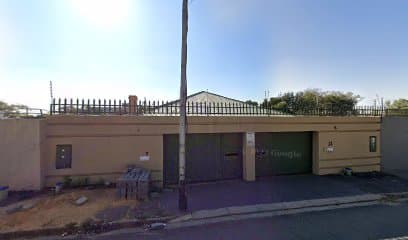
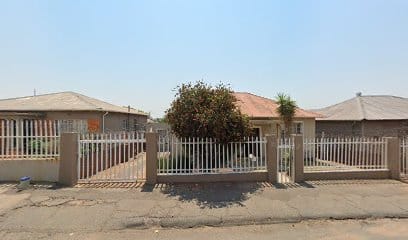
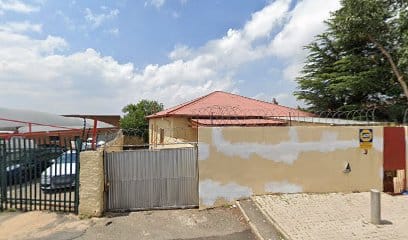
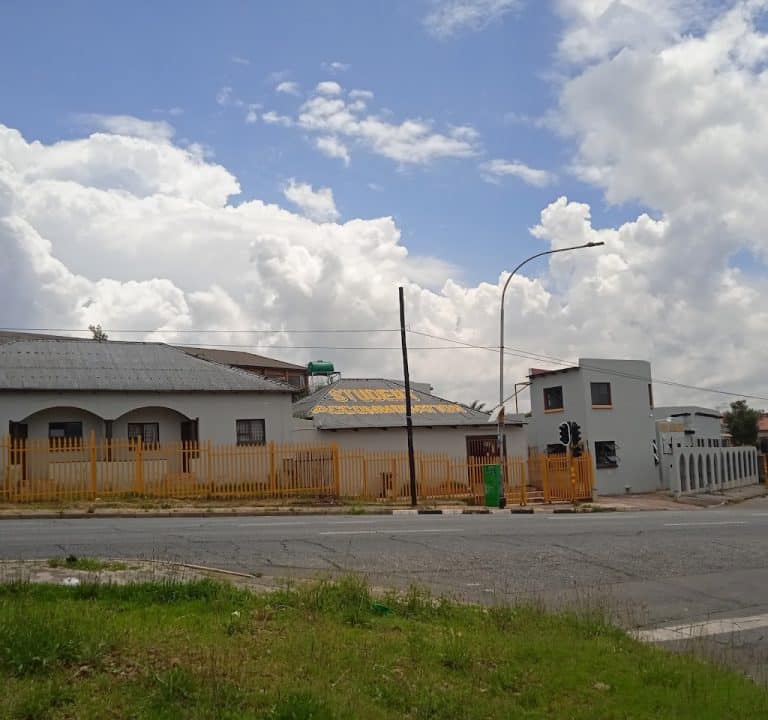
For a practical base with a distinctive flavour, consider accommodation options that combine comfort with a sense of place. Ball n’ Kicka in Hursthill is an example of a hostel that can serve as a straightforward, affordable starting point for exploring northern and central Johannesburg. Its website provides details on location and facilities, helping you assess whether it fits your travel style. Pair such a stay with days spent exploring nearby markets, parks, and a mix of cultural sites, and you’ll build a balanced itinerary that captures both the modern pulse and the historical layers of Johannesburg.
In short, plan a stay with a clear sense of neighbourhoods, transport practicality and a mix of activities that reflect the city’s breadth. With careful booking, you can enjoy comfortable accommodations, easy access to transport hubs, and a travel experience that blends culture, history and the everyday energy of Johannesburg.