Staying in Johannesburg: accommodation, attractions and practical tips for a city break
Johannesburg combines a vibrant cityscape with verdant parks, cultural treasures and a growing hospitality scene. When planning a stay in Gauteng’s largest city, it helps to think about neighbourhoods, transport, and the type of experience you want—from chic city boutique stays to self-catering apartments that feel like a home away from home. For travellers on a budget or seeking longer visits, mixed-use districts can offer convenient access to both sights and everyday life, while more peaceful suburbs provide a restful base after busy days.
Areas to consider
- Johannesburg’s central business district and the northern suburbs offer easy access to major attractions, restaurants, and nightlife. They’re convenient for first-time visitors who want to be close to action, but some areas can feel busy after dark, so plan your evenings with general safety in mind.
- Sandton and Rosebank are popular for those seeking a more polished, cosmopolitan experience with excellent dining, shopping and transport links. These areas are well connected to the rest of the city via rail, bus and ride-hailing services.
- Fourways and the northern outskirts provide more modern complexes, family-friendly lodgings and easy access to nature reserves and theme parks. They are often well-suited for longer stays or travellers renting self-catering accommodation.
- Neighbouring areas such as Maboneng, Braamfontein and Newtown offer a mix of boutique hotels, guesthouses and serviced apartments with a focus on arts, culture and lively dining scenes.
What to look for when booking
- Safety and access: check the neighbourhood’s general safety, walkability at night, and whether the property has secure entrances, good lighting, and clear access to public transport or reliable parking if you’re renting a car.
- Self-catering facilities: for apartment-style stays, assess kitchen equipment, laundry facilities, and whether there is a private outdoor space or shared amenities. Self-catering can be particularly convenient for families or longer visits.
- Amenities: reliable Wi‑Fi, air conditioning or heating, a comfortable bed, and on-site parking are common priorities. Some properties offer communal lounges, fitness spaces or rooftop terraces—useful if you’re planning to spend evenings in.
- Transport links: Johannesburg’s transport mix includes taxi services, ride-hailing apps, buses and a growing Gautrain network. Proximity to a rail station or main bus routes can make day trips easier and more affordable.
- Cancellation policies and flexibility: given the size of the city and potential changes to your plans, flexible booking terms can be worth prioritising.
Typical amenities and how to use them well
Many Johannesburg stays offer a blend of hotel-style comforts and home-like convenience. Expect well-equipped kitchens, coffee facilities, and generous storage in self-catering apartments. Laundry facilities, either in-suite or on-site, save time for longer trips. If you’re visiting during summer, air conditioning or fans can be a vital comfort; in cooler months, heating and good insulation matter just as much. A well-appointed workspace with adequate lighting can be handy for travellers who blend work and exploration.
Planning your days: attractions and experiences
Johannesburg is a gateway to both urban culture and natural beauty. While specific venues and prices evolve, you can expect a range of experiences, from world-class museums and informative tours to markets, cafes and film or music events. In central districts, you’ll find galleries and historical sites that reveal South Africa’s complex past and dynamic present. In the northern suburbs, modern shopping centres, parks and family-friendly attractions offer a balanced pace for a multi-day stay. For a broader taste of the region, day trips to nearby nature reserves or wine routes provide a relaxing contrast to city wandering.
Food and drink: what to expect
Johannesburg’s dining scene covers everything from casual street-level eateries to refined restaurants with inventive menus. In most areas you’ll encounter diverse cuisine, with many cafés offering quick, delicious options for breakfast and lunch, and restaurants focusing on regional flavours and contemporary dining. For a safe and comfortable dining experience, look for well-reviewed places with clear hygiene standards and friendly service. If you’re staying in a self-catering unit, shopping for fresh produce at local markets or supermarkets nearby can be part of the daily routine.
Practical tips for a smooth trip
- Plan your day around daylight hours for longer city explorations, and consider late arrivals only if you’re sure about accessing your accommodation safely.
- Use reputable transport options, especially after dark. If you’re unsure about a route, ask your host or property manager for the best options.
- Pack a light layer for evenings and a sunhat for daytime outings. Even in cooler months, sunshine can be strong in Johannesburg.
- Respect local customs and keep valuables secure, particularly in busy areas. Use hotel safes or lockable bags when possible.
- Check for flexibility in your booking if plans shift, and look for properties with clear, transparent policies and responsive hosts or managers.
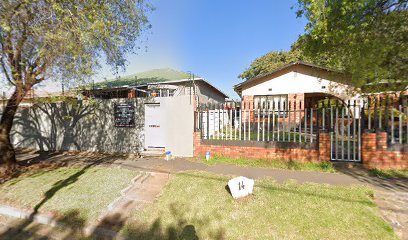
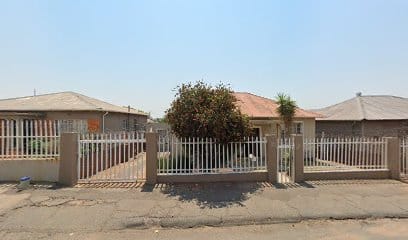
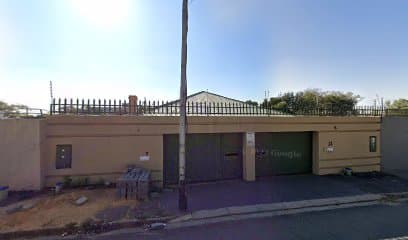
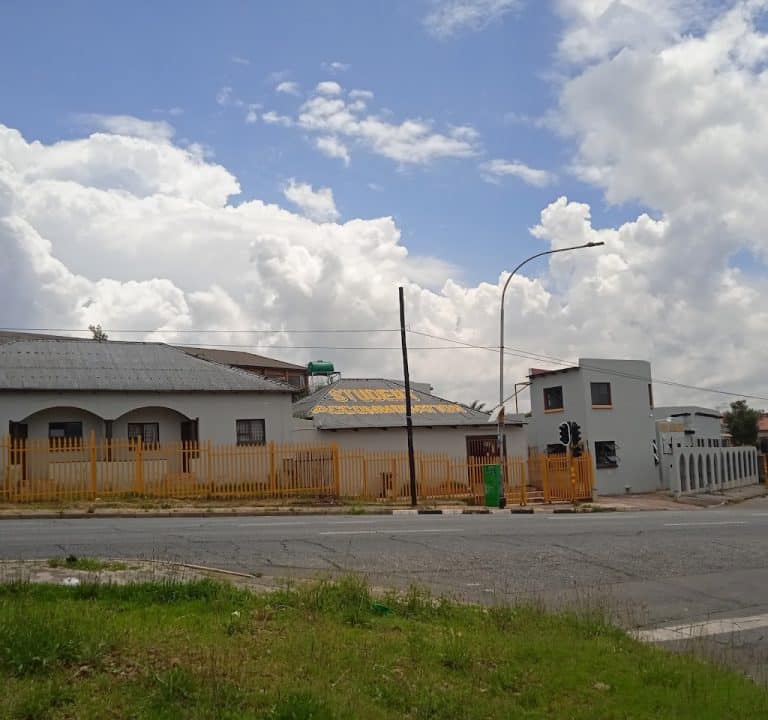
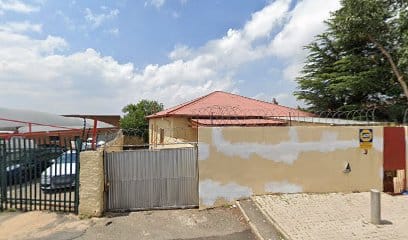
Self-catering options like student-style accommodation at addresses such as 16 Plunket Avenue can offer budget-friendly stays with a practical set-up for longer visits. They may provide straightforward access to transport routes and local amenities, making them a sensible base for exploring Johannesburg and the wider Gauteng region. For more information about current stays, facilities and nearby attractions, explore reputable booking platforms or local neighbourhood guides that reflect up-to-date traveller tips and safety considerations. With a thoughtful approach to where you stay and how you move around, Johannesburg can be a rewarding base for discovering South Africa’s vibrant urban culture and its scenic surroundings.