Johannesburg: Accommodation, Neighbourhoods, and a Traveller’s Guide
Johannesburg, often referred to simply as Jo’burg or Jozi, is a sprawling city with a rich mix of urban energy, cultural heritage, and easy access to the surrounding Gauteng countryside. When planning a stay, consider the character of each neighbourhood to align with your interests, pace, and budget. Whether you’re seeking a modern apartment near business districts, a cosy guesthouse in a tree-lined suburb, or a student-friendly stay close to universities, there are plenty of options to choose from.
Areas to consider you for your stay include the northern suburbs, which tend to feature more contemporary, secure accommodation and easy access to high-end shopping and dining. The central and inner-city precincts offer a kinetic atmosphere with converted lofts, boutique hotels, and guesthouses, often within walking distance of cultural venues, markets, and nightlife. Southern and eastern precincts can provide a more budget-friendly range of options and a taste of local life, with convenient access to transport links into the city core. When choosing a place to stay, think about access to reliable transport, safe neighbourhoods, and proximity to the experiences you plan to enjoy.
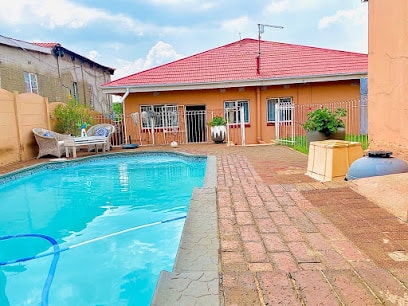
Key factors to look for when booking include security and access control, good reviews on cleanliness and service, and clear information about check-in procedures. Seek accommodation with on-site amenities that suit your itinerary, such as reliable Wi-Fi, a functional kitchen or kitchenette, laundry facilities, and parking if you’re hiring a car. For shorter city breaks, a compact studio or apartment with a well-equipped kitchenette can be a practical choice. For longer visits or student-focused stays, properties marketed as guesthouses or student housing often provide communal spaces, social opportunities, and flexible leases that help you settle in.
Transport in Johannesburg is a practical consideration. The city operates several rail networks and a growing array of bus routes, but the most convenient way to move around often remains a combination of car hire, ride-hailing services, and well-connected public transport hubs. If you plan to explore broader Gauteng, consider proximity to major routes and access to ride-sharing options. For international travellers, flying into O.R. Tambo International Airport and using airport transfers or public transport connections can simplify the arrival process. A stay near major transport corridors can reduce daily travel time and help you fit more into your itinerary.
The best time to visit Johannesburg is generally from late spring to early autumn (roughly September to April), when the days are longer and the weather is mild. Be prepared for summer thunderstorms and occasional heat in the peak of summer. Winter (May to August) can be cool and dry, with pleasant days but cooler evenings. No matter the season, it’s wise to plan for afternoon showers in the warmer months and to carry a light layer for evenings. If you’re visiting for specific events or exhibitions, check city calendars in advance and book early, especially in peak travel periods.
Practical tips for a smooth stay include checking luggage storage options if you have late departures, confirming the reception hours for late check-in, and reading guest reviews about the neighbourhood safety and noise levels. It’s worth verifying the availability of guest parking or secure storage for any valuables. When planning meals, you’ll find a mix of casual eateries, vibrant markets, and more refined dining along with local street food scenes. In general terms, you can expect to find a range of options that reflect Johannesburg’s diverse communities, with opportunities to sample traditional flavours alongside contemporary cuisine.
For amplified convenience, consider staying in or near central arteries with easy access to business districts, cultural venues, and student campuses. The city’s architecture and street art reflect its evolving story, and many neighbourhoods offer walking routes that showcase this character. While planning activities, you can balance visits to museums, galleries, and historic sites with time in markets and street-level eateries that capture the local vibe. Day trips to nearby towns or natural landscapes can be a rewarding addition if your schedule allows.
- Neighbourhood highlights to consider: Sandton for modernity and shopping; Rosebank for a cosmopolitan mix and markets; Braamfontein and Maboneng for arts, cafés, and nightlife; Newtown for theatres and history; Melville for a laid-back student-friendly atmosphere.
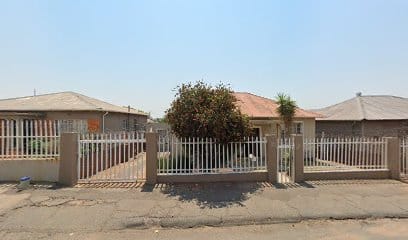
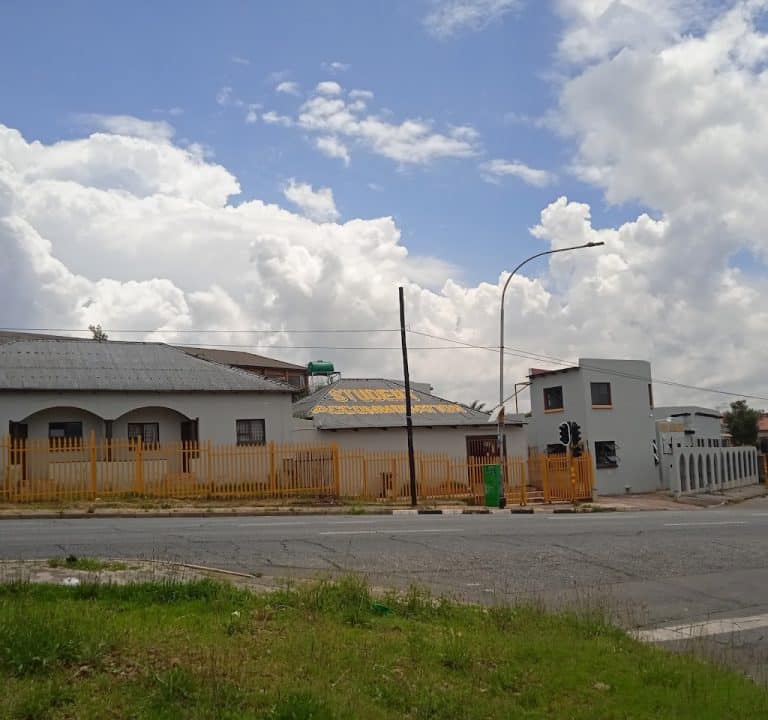
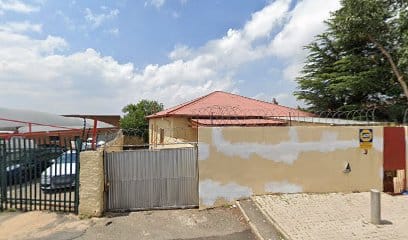
For travellers researching options such as student housing or budget-friendly stays, Johannesburg offers a spectrum of accommodation styles, from compact apartments to guesthouses and hostels. If you’re seeking practical bases near academic campuses or temporary housing, you’ll find places designed to suit short-term stays with flexible leasing and essential amenities. Always review cancellation policies and host communication before confirming a booking, and consider a stay that allows you to explore the city at your own pace while enjoying convenient access to the sights that interest you most.