Johannesburg: accommodation, attractions and planning a stay
Johannesburg, or Jo’burg as it is affectionately known, is a city of contrasts where modern high-rise districts sit beside historic neighbourhoods and vibrant street life. When planning a stay, consider spreading your time across a few areas to experience different flavours of the city. Sandton offers polished corporate hotels and easy access to upperscale shopping, while Rosebank and Melville provide a mix of boutique stays, cafes, and markets. Braamfontein and Maboneng are great for shorter breaks with street art, galleries, and adventurous dining, and nearby Soweto offers a perspective on South Africa’s recent history and resilient culture. A variety of serviced apartments, guesthouses and boutique hotels can place you close to the action, yet with the comfort of a home-from-home.
When booking, think about what you want from your stay. If you’re visiting for business, proximity to major transport arteries or conference centres may trump other factors. For leisure trips, a neighbourhood with restaurants, bars and easy transit options often makes the difference. Check what the property includes in terms of security, access to public transport, and parking if you plan to hire a car. Comfort features such as reliable Wi‑Fi, a well-equipped kitchen or kitchenette, and flexible check-in arrangements are particularly welcome in Johannesburg, where traffic can be notoriously unpredictable.
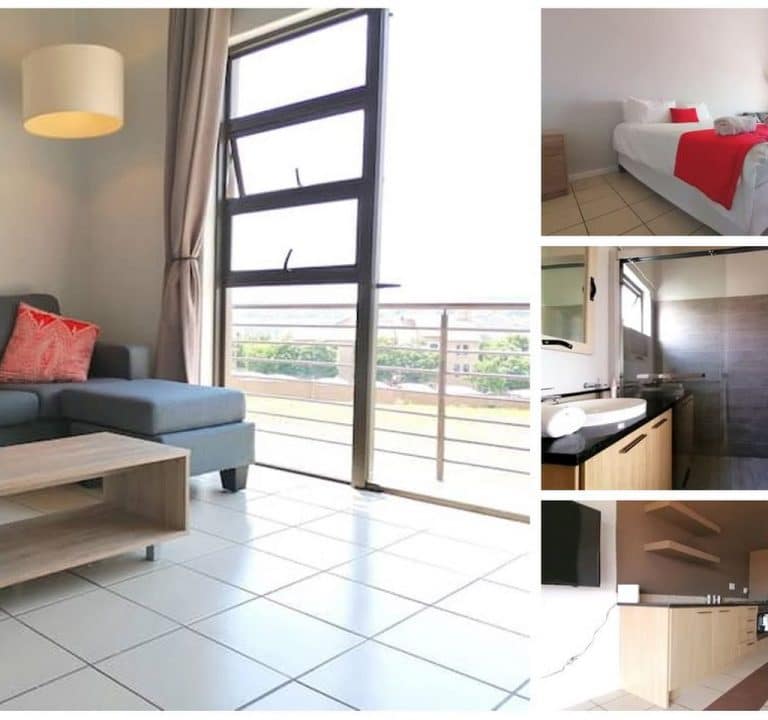
Typical accommodation options range from serviced apartments and modern hotel suites to guesthouses and boutique lodges. Serviced accommodation can be particularly practical for longer stays, offering living spaces, kitchens and the flexibility to self-cater. Look for properties that offer on-site parking or easy access to reliable public transport, especially if you plan to explore beyond the central districts. Facilities such as a 24-hour front desk, housekeeping options, and laundry services can save time and effort, while a well-appointed gym or pool can provide a pleasant end to a busy day.
Transport is a key planning element. Johannesburg has a multilayered transport network, including trunk roads, taxis, ride-hailing, and rapid transit links to surrounding areas. If you’re staying in central areas, you’ll often be within walking distance of cafés, markets, and galleries, but taxis or ride-hailing services are handy for late nights or early starts. If you’re planning day trips to nearby attractions, a car can offer flexibility, though many areas are well served by Uber, Bolt or metered taxis.
Best time to visit is guided by climate and what you want from the city. Johannesburg enjoys a temperate climate with dry winters and summer showers. Peak outdoor periods are typically from spring to autumn, when long daylight hours allow for museum visits, city walks and outdoor markets. If you prefer to avoid busy periods, consider mid-week stays or the shoulder seasons when hotel and apartment rates may be more favourable, and traffic patterns are slightly gentler.
Practical planning tips for a smooth stay:
- Prioritise security and convenience: choose accommodation with good access control and well-lit common areas.
- Consider a small kitchen or kitchenette for flexibility with meals, especially for longer visits.
- Check the cancellation policy and house rules, particularly if your plans may shift.
- Confirm proximity to transport options and nearby attractions to maximise your daily itinerary.
- Pack a light layer for evenings, as Johannesburg evenings can be cooler than daytime temperatures, even in warmer months.
- Be mindful of local etiquette and street-smart guidelines, especially when exploring nightlife districts or busy markets.
Amenities to look for in a good base include fast Wi‑Fi, a comfortable workspace, clean and contemporary interiors, and reliable housekeeping. A well-equipped kitchen or kitchenette is a plus, as are on-site laundry facilities and secure parking. A friendly concierge or 24-hour reception can be helpful for arranging airport transfers, restaurant reservations, or local advice.
In terms of attractions and experiences, Johannesburg offers cultural, historical and natural highlights without the need for long trips. World-class museums and memorial sites tell compelling stories of the nation’s past and present. Markets and neighbourhoods showcase local design, crafts, and cuisine. In addition to structured tours, many visitors enjoy self-guided explorations of districts known for street art, historic architecture, and open-air galleries. While this article does not list specific venues, a broad approach—combining museum visits, walking tours, and time in popular precincts—will provide a well-rounded sense of the city.
Eating out in Johannesburg ranges from casual bistros to refined dining rooms. Areas with a high concentration of eateries offer a variety of cuisines, seasonal menus, and vibrant atmospheres. For a balanced plan, aim to mix a couple of dinner reservations with days spent sampling street-food stalls, markets, and casual cafés. If you enjoy a leisurely weekend, explore markets that bring together local producers, crafts and live music opportunities.
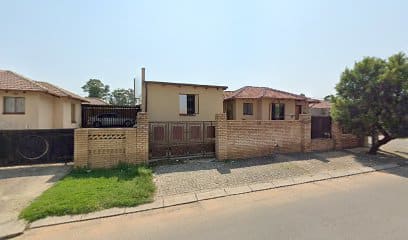
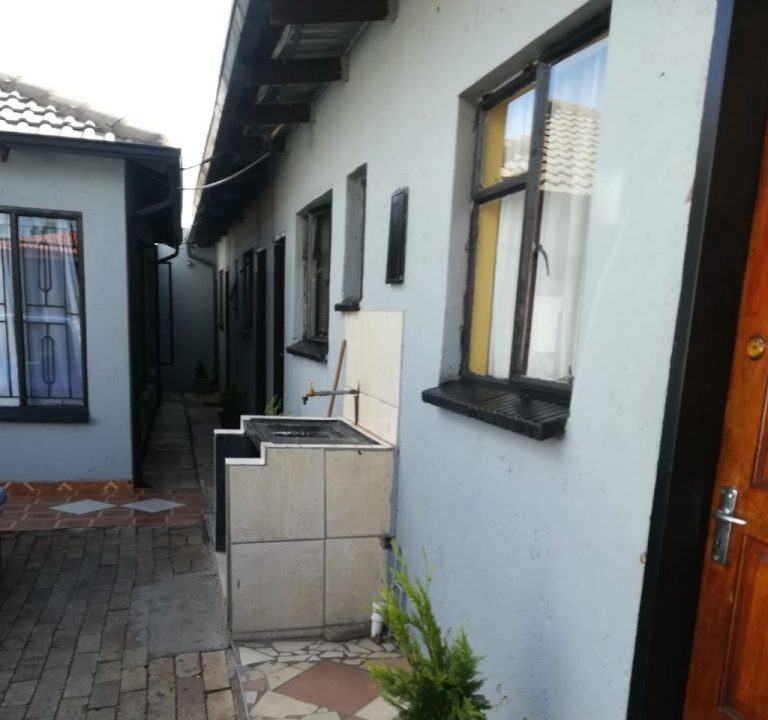
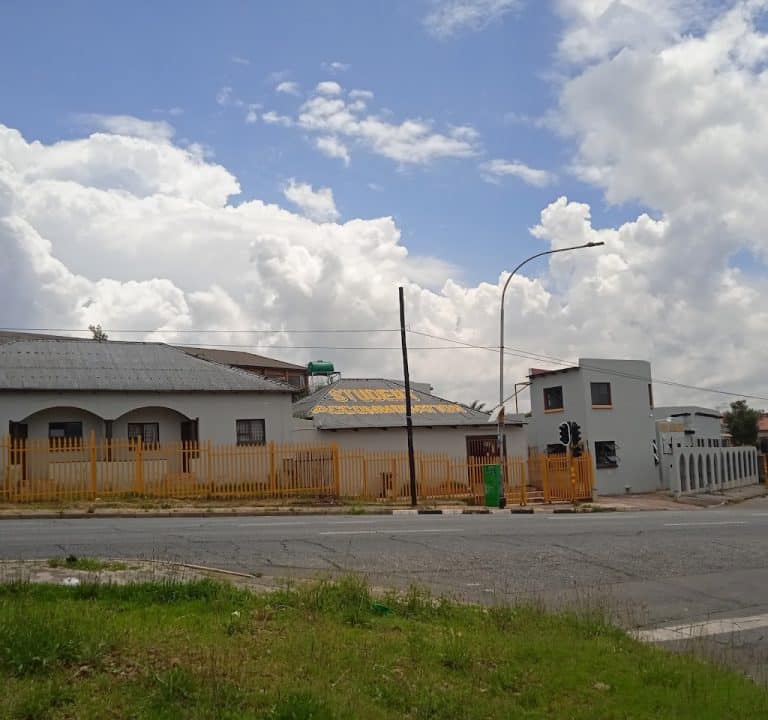
If you are staying or researching accommodation options such as Nomabhongo Palace and Entertainment as a serviced accommodation, consider how the property aligns with your travel style. Look for clear description of room configurations, security measures, and guest services that match your needs, whether you require a quiet home base after busy days or a lively setting within easy reach of nightlife and cultural venues.
For online planning and booking, consult reputable travel platforms and the official tourism resources for Johannesburg. A thoughtful, flexible plan that balances rest and exploration will help you make the most of your Johannesburg stay, whatever the season or reason for your visit. For further information about official tourism guidance, you may visit the City of Johannesburg’s resources and other reputable sources to tailor your itinerary to your preferred pace and interests.