Johannesburg: Where to Stay, What to Do, and How to Plan a Visit
Johannesburg, often affectionately called Jo’burg or Jozi, is a vibrant gateway to Gauteng’s urban culture, nature breaks and business hubs. When planning a stay, consider a mix of central convenience, diverse neighbourhoods and easy access to public transport. For travellers seeking a comfortable base, options range from stylish boutique hotels to welcoming guesthouses and well-appointed lodges. A well-chosen home-away-from-home can set the tone for your entire trip, whether you are here for business, culture, or a longer exploration of the region.
Key areas to consider include the northern suburbs, the central business district, and the magnetic inner-city districts known for their cultural scenes. The northern suburbs often offer quieter, residential-feel stays with leafy streets and shopping centres nearby. The central area provides a pulse of history and modern redevelopment, with shorter commutes to major attractions. The inner-city districts are increasingly popular with travellers seeking vibrant street life, art, and dining experiences—provided you choose well-rated properties with reliable security and convenient access to transport.
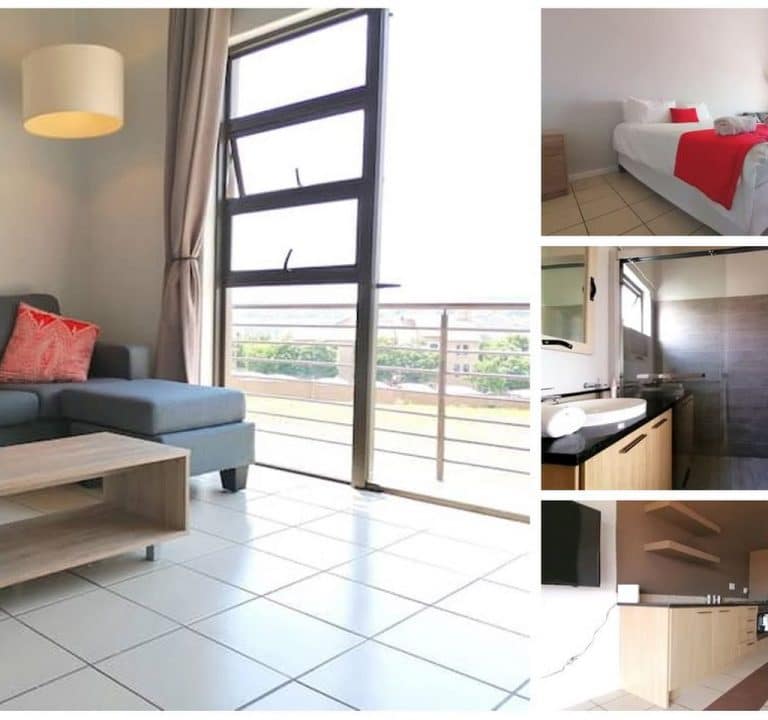
When selecting accommodation, the fundamentals to check are essential comfort combined with practical conveniences. Look for secure entrances and reliable 24-hour reception, clean and well-maintained rooms, and consistent housekeeping. Many properties in Johannesburg offer suites or studios with separate lounge spaces, which can be ideal for longer stays. A decent in-room facilities kit—air conditioning or heating, good lighting, quiet rooms, hairdryer, and complimentary tea and coffee—can make a big difference after a day of exploring. If you plan to work or study during your stay, confirm reliable wifi and a comfortable workspace in the room or communal lounge.
Typical amenities to consider include on-site dining options, safe parking, and access to public transport links. Some properties offer shuttle services or guided city tours, which can be convenient for first-time visitors. For families or groups, family-friendly rooms, extra beds or sofa beds, and laundry facilities can be important. If you prefer a more intimate experience, look for guesthouses or B&Bs that highlight personalised service and a locally informed perspective on dining and day trips. Do note that the level of service and the style of hospitality can vary by neighbourhood, so reading recent guest reviews helps set expectations.
Transport in Johannesburg is a practical consideration. The city has a network of major highways, but traffic can be busy, especially during peak hours. Proximity to a metro or reliable ride-hailing options can save time and reduce stress. If you’ll be driving, ask about parking arrangements and whether it is secure. For travellers without a car, choose accommodation near convenient public transport routes or within walking distance of cafes, supermarkets, and attractions. When scheduling day trips, factor in travel time between diverse neighbourhoods and potential delays during peak periods.
The best time to visit Johannesburg depends on your priorities. The city enjoys a temperate climate, with warm summers and mild winters. For outdoor activities and safaris in nearby regions, the dry winter months can offer clearer skies and more comfortable wildlife viewing. If you prefer lush greenery and vibrant markets, the spring and autumn periods are excellent for enjoying the parks and gardens. Weather can be changeable, so packing layers is wise, and a light rain jacket is handy during the wetter seasons.
Attractions and experiences in and around Johannesburg are varied and typically accessible for most travellers. Within the city, you can expect a blend of heritage sites, museums, bustling markets, contemporary galleries, and family-friendly venues. For day trips, nearby natural reserves and scenic routes provide opportunities for hikes, photography, and outdoor enjoyment. When planning activities, balance iconic experiences with offbeat discoveries to capture a sense of the city’s evolving culture. For dining, Jo’burg offers a broad range of cuisines reflecting its cosmopolitan residents, from casual eateries to more refined restaurants. You’ll find places offering traditional South African flavours alongside international concepts, so you can tailor meals to your mood and budget without needing exact price points here.
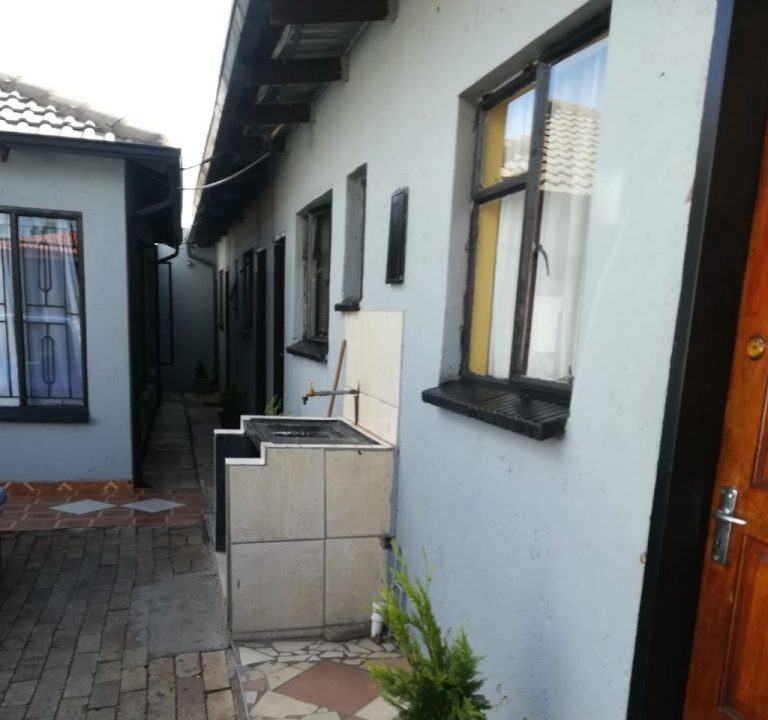
To help plan efficiently, keep a few practical tips in mind. Book accommodation with flexible cancellation policies where possible, especially if your itinerary may shift. Check access details for neighbours or quiet hours if you’re staying in shared corridors or compact rooms. When you arrive, obtain a local map or download a city app that highlights public transit routes and safety tips. Budget wisely by identifying a few must-do experiences and leaving space for spontaneous discoveries such as weekend markets or neighbourhood cafes. If you’re staying in a place like Marcelle’s Accommodation, you might find value in choosing a property that offers a curated sense of locality and direct access to food, markets, and transport links—without sacrificing a comfortable, restful space at the end of a busy day.
In short, Johannesburg rewards travellers who plan with a blend of comfortable, well-situated accommodation and a flexible mindset. By weighing neighbourhood character, transport options, and the amenities on offer, you can tailor a stay that suits your pace—whether you’re here to soak up culture, conduct business, or explore Gauteng’s wider landscapes. With thoughtful preparation, your visit to this dynamic South African city can be both convenient and deeply memorable.