Johannesburg: Where to Stay, What to Do, and How to Plan Your Visit
Johannesburg, a dynamic gateway to Gauteng, offers a wide range of accommodation options that suit every traveller. From bustling city-centre pads and stylish boutique stays to comfortable budget-friendly hostels in lively neighbourhoods, you’ll find places that put you close to the action while still offering a restful base after a day of exploration. When planning a stay, consider the area, type of accommodation, and transport connections to maximise your time in the city.
Areas to consider include the city’s cultural heart around the central business district and Maboneng, which buzzes with urban eateries, galleries and markets. Braamfontein provides a student-town vibe with easy access to nightlife and University of Johannesburg campuses nearby. Rosebank and Melville offer a mix of shopping, dining and residential calm, while Sandton presents a more polished, business-friendly side with modern hotels and excellent access to Gautrain links. For a leafy, residential feel, consider suburbs such as Greenside or Parkhurst, which are known for walkable streets, cafés and local character. When choosing, weigh proximity to the attractions you plan to visit and how you’ll typically move around the city.
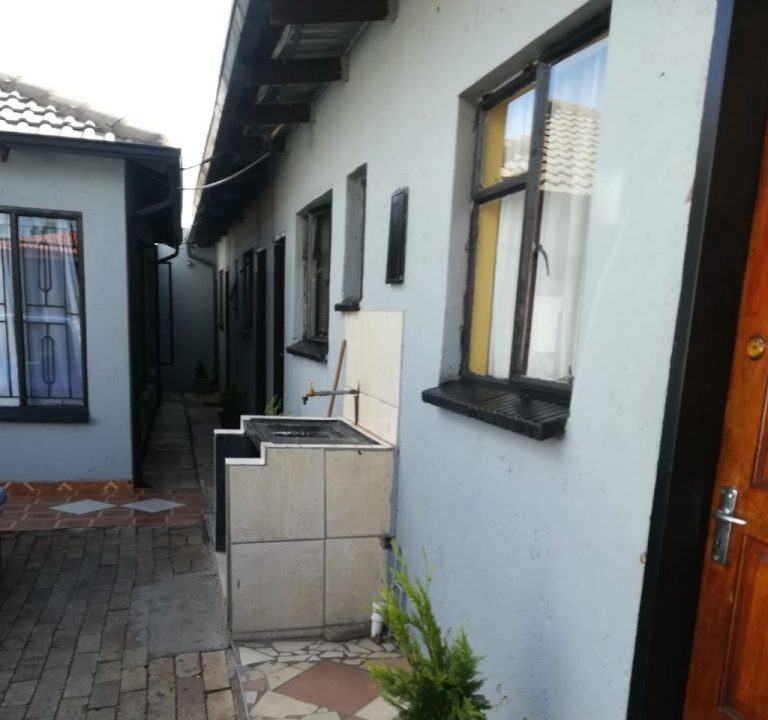
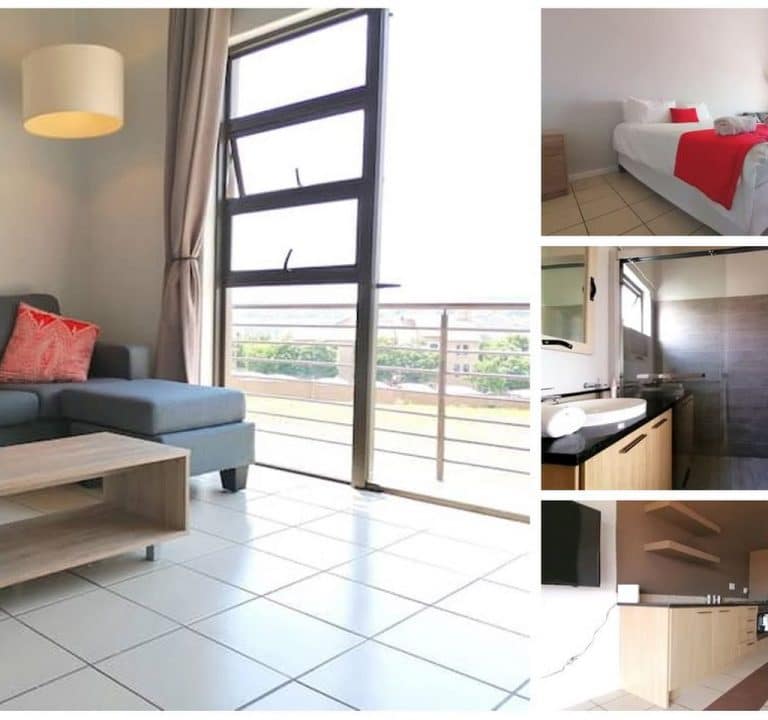
Typical amenities to look for when booking include dependable Wi‑Fi, 24-hour reception or security, a well-equipped kitchenette or breakfast options, and access to safe, secure parking or easy public transport. For longer stays, a guesthouse with a homely feel or a small apartment with a kitchenette can be especially convenient. If you’re travelling on a budget, a centrally located hostel or guesthouse can offer clean rooms, communal spaces, and resident hosts who can point you to local experiences. If comfort is your priority, many stylish hotels in Sandton or Rosebank provide larger rooms, on-site dining, fitness facilities, and business services.
Transport is straightforward but can be busy, so plan ahead. The Gautrain offers quick links from the airport to Sandton and Rosebank, while Metrorail and buses connect the inner city and suburbs. Rideshare apps and taxis are plentiful, but it’s wise to check your route and travel time during peak hours. If you prefer a car, many properties offer secure parking, and several neighbourhoods feature pedestrian-friendly streets with easy access to cafés, markets, and cultural spots. For day trips, you might consider guided tours that focus on key landmarks, nature reserves on the city’s outskirts, or nearby towns within Gauteng.
Best time to visit Johannesburg is during the dry winter months, roughly May to September, when days are sunny and temperatures are comfortable. This is a good period for outdoor activities and city walks. If you visit in the rainy season, you’ll still find plenty to do indoors—in museums, galleries, and markets—though you may want to plan for afternoon showers. For those seeking good value, shoulder periods outside major holidays can bring quieter streets and more affordable accommodation rates. Always check local events calendars, as large conventions or sporting events can affect hotel availability and prices.
When planning, practical tips can make your stay smoother. Have a rough daily plan but allow for flexibility to discover unexpected neighbourhoods and eateries. Stay aware of safety considerations common to large urban centres: keep valuables secure, use reputable transport, and blend in with local routines. It’s wise to have a small amount of local currency and a data-enabled phone for maps and transit information. If you’re staying in a neighbourhood with a vibrant nightlife scene, consider booking accommodation with good street access and on-site security, and plan your return trip accordingly. Many travellers enjoy sampling a mix of casual eateries, coffee shops, and markets that reflect Johannesburg’s diverse cultures—from modern cafés to traditional South African cuisine in family-run venues. Websites offering city guides and local reviews can help you tailor dining choices to your budget and dietary requirements.
Sample travel planning tips at a glance:
- Identify your main base and translate travel times to daily planning (e.g., 20–40 minutes between suburbs during peak hours).
- Prioritise accommodation with reliable security, convenient access to transport, and clear cancellation policies.
- Mix afternoons of cultural sightseeing with evenings in areas known for dining and live music or theatre.
- Check for recommended walking routes or guided tours to gain context about the city’s history and architecture.
- Book early during peak seasons or major events to secure the best locations and rates.
For further inspiration and planning, official tourism resources and regional guides can help you identify areas to stay in and what to prioritise during your visit. Practicality, comfort, and a little local insight can transform a stay in Johannesburg into a balanced mix of urban exploration, relaxation, and memorable meals. If you’re looking to browse options, reputable travel sites and the city’s official pages offer a starting point for selecting a place that suits your itinerary and pace. More information can be found at local tourism portals and destination guides, which provide venue recommendations, how to plan day trips, and practical travel tips to get the most from your Johannesburg stay.