Cape Town: where to stay, what to plan, and how to enjoy the city’s wealth of attractions
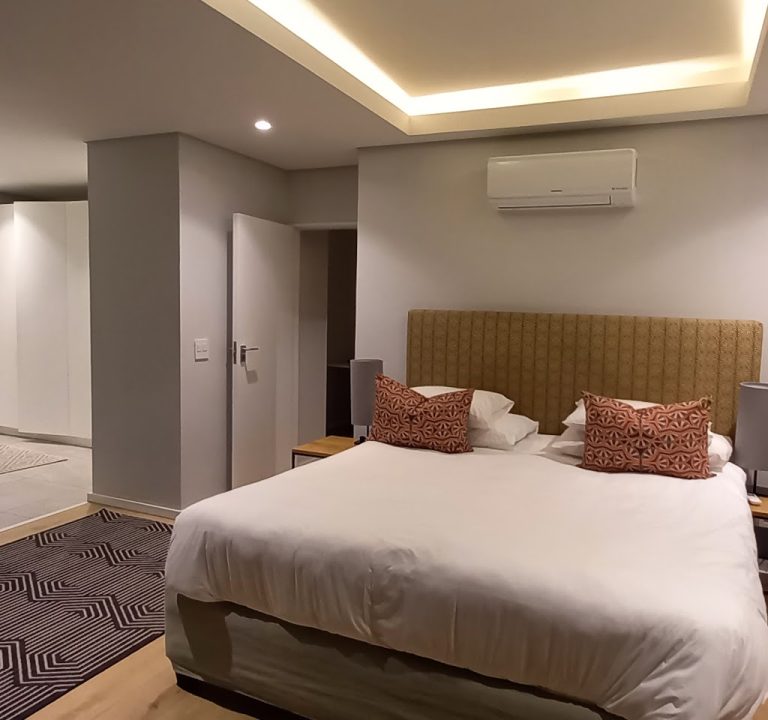
Cape Town offers a diverse range of accommodation to suit every traveller, from boutique B&Bs tucked into historic streets to contemporary hotels with sea views and easy access to the city’s iconic sights. When planning a stay, considering the neighbourhoods and the kind of experience you want will help you maximise your time and enjoy a relaxed itinerary. The city’s geography—tabletop mountains, coastline, and vibrant urban cores—means different areas sing to different kinds of visitors.
One of the first decisions is where to base yourself. The Waterfront and the central city provide convenient access to museums, markets, and a lively night scene, with many properties offering easy walking routes to dining and entertainment. If you prefer dramatic scenery and a more resort-like atmosphere, the Atlantic Seaboard towns of Camps Bay and Clifton deliver golden beaches and sunset views, often with high-end hospitality, while the trendy Green Point area sits between city life and coastal strolls. For a wine-focused stay with a rural backdrop, Constantia Valley offers country-inn charm and easy access to nearby wine farms. In contrast, Bo-Kaap and De Waterkant provide colourful streets, historic ambience, and compact, walkable sanctuaries close to the best of the city’s culinary scene.
What to look for when booking is as important as the decor. Consider access to transport, especially if you plan day trips along the Cape Peninsula or to Constantia and the Cape Winelands. A well-located guesthouse or hotel with secure parking or good taxi access can save time and effort. Check the size of the room, natural light, and noise levels, as some central properties can be bustling, particularly on weekends. If you enjoy long breakfasts or a shared lounge, many boutique establishments offer these as distinctive touches. For families or longer stays, self-catering apartments or serviced suites can provide comfort and flexibility, while smaller hotels may prioritise personalised service and closer-to-it-all convenience.
Typical amenities you might encounter include free Wi‑Fi, daily housekeeping, on-site parking, and guest lounges. Breakfast offerings range from continental spreads to full-service menus, with some properties providing views of the city bowl or ocean. Pools are a welcome feature in warmer months, and many properties provide access to terraces or communal gardens. For guests prioritising sustainability, look for places that practise energy efficiency, recycling, or water-saving measures. If you’re travelling with a vehicle, confirm parking arrangements, as some areas charge for parking or have limited space.
Transport around Cape Town is straightforward but varies by district. In the city centre and central business district, Uber and other ride-hailing services are convenient, while the MyCiTi bus network covers many tourist hubs and beaches. If you’re venturing to the Cape Peninsula, hire a car for flexibility, as some of the most scenic routes wind along coastal roads with limited public transport. The V&A Waterfront has easy pedestrian access, while longer strolls along the Sea Point promenade reveal dramatic ocean views. For a taste of local life, consider a short hop to the markets and neighbourhood eateries in Bo-Kaap or Woodstock, where walking is rewarding but can be hilly in parts.
Best time to visit Cape Town depends on what you hope to do. Spring (September to November) and autumn (March to May) are often ideal for outdoor activities, with mild temperatures and slower crowds. Summer (December to February) brings warmer waters and lively beaches, but can be busy around popular coastal spots. Winter (June to August) tends to be cooler and wetter, yet often offers fewer crowds and a different pace for exploring museums and indoor attractions. If you’re planning a table mountain excursion or a drive along the coast, mornings are typically calmer and clearer.
When you’re exploring the city, plan a balanced mix of sights, dining, and relaxation. Iconic landscape views frequently come with a walk or short hike, so comfortable shoes are worth packing. For evenings, Cape Town’s dining scene ranges from casual bistros to elegant establishments specialising in local seafood and produce-inspired menus. Rather than focusing on specific venues here, the general advice is to seek places that emphasise seasonal ingredients and open kitchens, and to reserve ahead during peak seasons.
Practical tips to help you stay on track: bring sun protection and a light layer for breezy coastal evenings; stay hydrated when exploring outdoor areas; and check safety tips for night-time travel in busy districts. If you plan to explore nearby winelands, book a guided tour or join a small group to ensure convenient transportation and informed recommendations. For families and groups, confirm connections between your accommodation and any planned activities, such as day trips to beaches, nature reserves, or coastal drives. For a more immersive stay, consider properties that offer guest-curated experiences or partnerships with local guides, markets, or cultural tours.
- Consider neighbourhoods that balance easy transport with access to sights, beaches, and dining.
- Look for properties offering flexible breakfast options, reliable Wi‑Fi, and clear sanitation practices.
- Plan a mix of outdoor activities, museum visits, and leisure time to enjoy both the city and its surrounds.
Cape Town rewards thoughtful planning. With the right base, you can enjoy sweeping coastal walks, famed viewpoints, and a culinary scene that celebrates the region’s rich produce. Whether you stay in a cosseting boutique hotel, a seaside guesthouse, or a stylish city apartment, you’ll find that the city’s charm lies as much in the personal touches and local enthusiasm as in the landmarks themselves.