Staying in Cape Town: Where to stay, what to look for, and how to enjoy the city
Cape Town is a city of great contrasts and spectacular scenery, from sweeping Table Mountain to pristine beaches and bustling harbour districts. Choosing the right area to base a stay can make a big difference to how easy it is to explore, dine, and unwind. Popular neighbourhoods include the City Bowl for easy access to sights, the Atlantic Seaboard for beach days and sunsets, and the Constantia Valley for a more relaxed, wine-country feel. For a quieter, more residential vibe with easy access to nature, areas near Kirstenbosch and Muizenberg offer a different rhythm. When planning a stay, consider how you want to spend your days: scenic viewpoints, vibrant nightlife, business trips, family activities, or long, leisurely meals along the coast.
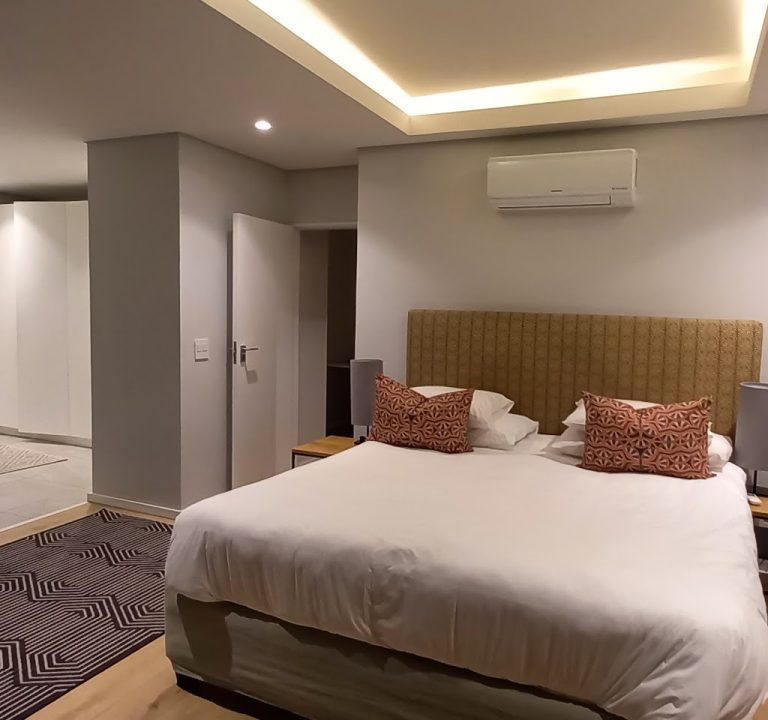
Accommodation options range from characterful guest houses and boutique hotels to self‑catering apartments and modern lodges. For a traveller who appreciates personalised service and a homely atmosphere, a guest house can provide a warm welcome, local tips, and a convenient base for exploring both the city and the surrounding winelands. One such option to explore is Bayflowers Guest House, a guest house that reflects the region’s hospitality and style. You can browse its details and availability at Bayflowers Guest House.
Typical amenities to look for include Wi‑Fi that works well in common areas and rooms, secure off‑street parking if you are driving, airport transfers or easy access to public transport, and on‑site or nearby dining options. A comfortable bed, a quiet room, good heating or air conditioning, and ample storage are also important, as Cape Town’s climate can be warm in summer and cool in winter. If you’re visiting with family or a group, check for family rooms or suites, as well as flexible cancellation policies in case plans change. Sustainable options, such as recycling, energy‑efficiency, and guided local experiences, are increasingly common and worth seeking out.
Transport around Cape Town is straightforward but requires some planning. The city centre and major sights are within reasonable reach by rideshare services, bus routes, or hire cars. If you prefer scenic journeys, a drive along the Atlantic Seaboard offers dramatic coastlines and easy access to beaches, viewpoints, and seafood eateries. For day trips, many guests enjoy excursions to the Cape Peninsula, including the iconic coastal routes and nature reserves. When staying in central areas, walkability is a plus for small restaurant discoveries and quick hops to museums and markets. If mobility or convenience is a priority, ask your host about proximity to public transport stops and safe parking arrangements.
Best time to visit Cape Town depends on your interests. Summer (December to February) brings long days, warm seas and lively outdoor events, but it is also the peak tourist season, so expect busier streets and higher rates. Autumn (March to May) and spring (September to November) offer milder weather and fewer crowds, with gardens in bloom and good conditions for outdoor exploration. Winter (June to August) can be cooler and wetter, yet it’s a great time to enjoy cosy guest houses, museums, and indoor attractions with more affordable rates. If you plan to visit wine country or take the shorter hikes, shoulder seasons often provide a pleasant balance of pleasant temperatures and calmer trails.
When booking, consider a few practical checks to ensure value and comfort. Confirm whether daily housekeeping is included, how breakfasts are served (self‑cacounted or cooked to order), and whether there are any communal kitchen facilities. Check the cancellation policy and whether utilities such as hot water and heating are reliable, particularly in damp or windy months. For families or groups, request details on room configurations, crib availability, and sleeping arrangements. If you have special requirements—such as accessibility needs, dietary restrictions, or quiet hours—discuss these with the host in advance to avoid surprises on arrival.
Beyond the room, Cape Town offers a spectrum of experiences that complement a stay. Iconic natural attractions such as the cable car to Table Mountain, scenic coastal drives, and coastal hikes are popular but can be weather‑dependent. For a relaxed day, consider a gentle harbour stroll, a visit to a local market, or a food‑driven excursion to体验 fresh seafood and farm‑to‑table dishes along the coast. Dining in Cape Town ranges from casual bistros with coastal views to refined restaurants that showcase South Africa’s diverse produce. Rather than fixating on specific names, look for venues that emphasise seasonal ingredients, waterfront locations, and friendly, attentive service. Some eateries offer tasting menus or shared plates that encourage sampling a range of flavours, which can be ideal if you’re on a short stay.
For a well‑rounded visit, here are practical planning tips to keep handy:
- Book accommodation with good reviews for location and responsiveness from hosts or staff.
- Save a mix of activities: one nature day, one cultural or museum day, and one food‑focused outing.
- Pack layers for varying temperatures, particularly if visiting Table Mountain or coastal areas at different times of day.
- Check parking details if you’re driving, and consider whether a walkable base saves time and stress.
- Allow time for flexibility in your itinerary in case of weather or strikes that can affect plans.
In summary, Cape Town rewards those who plan with intention: choose an area that aligns with your rhythm, select a guest house or boutique stay that offers thoughtful amenities and local guidance, and balance your days between nature, culture, and culinary discovery. Whether you base yourself in a central, walkable district or a quieter neighbourhood with easy access to the winelands, you’ll find a welcoming base from which to explore one of the world’s most visually stunning destinations.