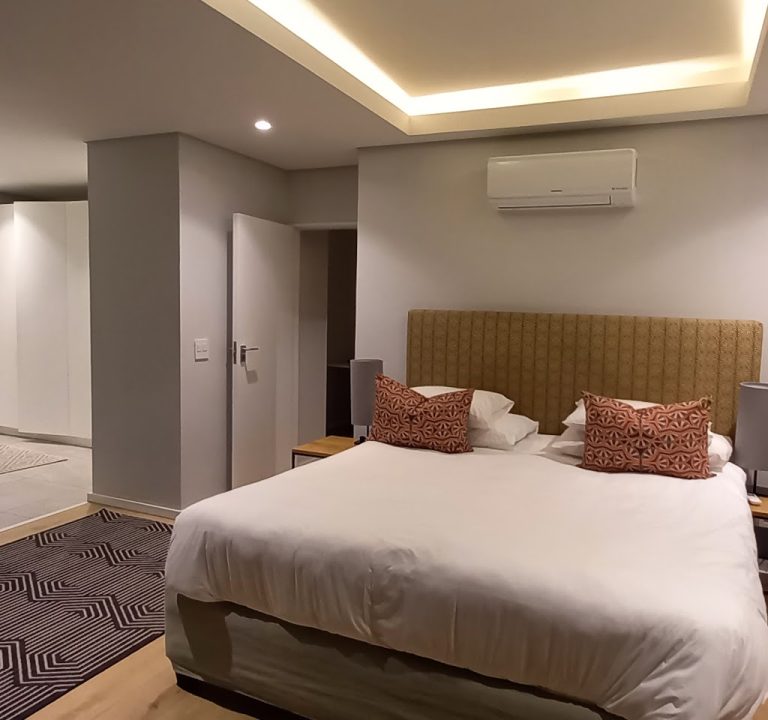
Antrim – Self Catering Apartment is a Hotels establishment in Cape Town, Western Cape, South Africa
Cape Town
Western Cape
8005
South Africa
Accommodation and Experiences in Cape Town: A Practical Guide for Stays and Exploration
Cape Town offers a diverse range of places to stay, from characterful guesthouses and boutique hotels to self‑catering apartments and modern citylofts. When planning a visit, consider the neighbourhoods that align with your travel style, the pace you want, and how you plan to get around. Whether you are drawn to colour‑washed cottages in leafy enclaves, or sleek beachfront apartments with sweeping sea views, there is something to suit every budget and preference.
One of the pleasures of staying in Cape Town is the ability to tailor your days to your accommodation’s location. If you stay near the city bowl or the historic suburb of the Atlantic Seaboard, you’ll have easier access to dining and nightlife, with quick links to attractions and easy transport options. For more relaxed vibes and scenic beauty, the constantly evolving suburbs along the southern peninsula offer tranquil streets, lush gardens, and a short drive to natural highlights. When selecting a base, think about proximity to known routes for sightseeing, such as Table Mountain, the coast, and popular markets, as well as access to reliable transport.
What to look for when booking :
- Amenities that fit your plans, such as reliable Wi‑Fi, a well‑equipped kitchen, secure parking, and options for breakfast or on‑site dining.
- Access to transport: whether the property offers shuttle services, proximity to MyCiTi bus stops, or easy rideshare access for evenings out.
- Room configuration and layout, particularly for families or groups. A self‑catering apartment or a suite with separate living spaces can add comfort and flexibility.
- Noise levels and security, including good street lighting, secure entry, and night‑time safety considerations in the chosen area.
- Cancellation policies and the ability to accommodate changes if your plans shift, especially during peak travel periods.
Typical amenities you might encounter include air conditioning or heating, daily housekeeping or weekly linen changes, access to a communal pool or outdoor spaces, and well‑equipped kitchens or kitchenettes for self‑catering stays. Many properties in Cape Town offer hosts or reception staff who can assist with local tips, dinner reservations, and recommendations for day trips. When booking, check if the property provides information on local transport options, parking rules, and a detailed neighbourhood guide to maximise your time on the ground.
Transport and getting around are central to a smooth stay. Cape Town’s layout means you’ll often benefit from a car for exploring the wider region, including the Cape Peninsula and the winelands beyond the city. If you prefer not to drive, many areas are well served by reliable bus services or organised tours that pick up from central locations. For shorter trips, ridesharing and taxis are commonly used, especially in the evening. If you plan to hike or visit natural sites, plan to start early to avoid crowds and the late‑morning heat in the warmer months.
Best time to visit Cape Town is influenced by what you want to do. Summers (December to February) bring warm, dry weather ideal for beaches and outdoor activities, while springs (September to November) offer colourful flora at Kirstenbosch and comfortable temperatures for city sightseeing. Autumn (March to May) has pleasant days with fewer crowds, and winters (June to August) are cooler and wetter, which can be wonderful for lush scenery and cosy dining experiences. Pack layers, sunscreen, and a light rain layer, as conditions can change quickly—especially along the Atlantic coastline.
Accommodation types to consider include:
- Hotels and boutique hotels in the city bowl, offering central access to dining and culture, with a range of rooms from compact studios to spacious suites.
- Self‑catering apartments or holiday flats, ideal for longer stays or families seeking flexibility and kitchen facilities.
- Guesthouses and bed‑and‑breakfast establishments in residential neighbourhoods for a warmer, more intimate experience and personalised local knowledge.
When it comes to experiences, Cape Town’s offerings extend beyond iconic landmarks. You can expect engaging experiences such as guided nature walks on the surrounding mountains, scenic drives along the coast, and visits to a variety of markets and neighbourhood eateries that showcase the city’s multicultural flavours. For most travellers, a mix of nature‑driven days and cultural or culinary explorations provides a well‑rounded visit. In terms of dining, many areas feature a spectrum of choices—from casual cafés to more refined eateries—with menus that highlight fresh seafood, seasonal produce, and regional favourites. It is common to find restaurants that cater to a range of dietary preferences and that emphasise sustainable sourcing and farm‑to‑table concepts.
Practical tips for a successful stay:
- Book early for peak periods, especially December to February, and school holidays, as popular properties can fill quickly.
- Check access details for stairs or lifts, which can be important for certain properties in hilly areas or older buildings.
- Ask hosts or staff for current safety tips, recommended routes for day trips, and updated transport options. They can often provide insider knowledge on lesser‑known viewpoints and quieter times to visit busy sights.
- Plan a flexible itinerary that balances outdoor activities with rest days, particularly if you are visiting during warmer months when heat can be intense.
- Respect local customs and environmental guidelines when visiting natural sites, and follow marked paths to protect sensitive ecosystems.
For visitors seeking a convenient home base with easy access to the city’s vibrancy and the natural beauty of the region, Cape Town offers a broad spectrum of accommodation styles. As you refine your plans, consider specific areas such as the central metropolitan core for nightlife and culture, the Atlantic Seaboard for beach‑side staying, or the southern suburbs for leafy streets and a calmer pace. Each option can serve as a reliable launching point for your Cape Town adventures, including day trips to the surrounding landscapes and popular cultural and culinary highlights. For further inspiration, you may explore official tourism resources and visit the websites of individual properties or management groups to understand what is available in your chosen dates.
Example accommodation category you may encounter includes Antrim – Self Catering Apartment, as a sample among the many thoughtfully appointed options in the region. Look for properties with transparent details about amenities, neighbourhood guides, and flexible booking terms to best suit your travel plans. More information can be found through official tourism portals and the websites of selected lodgings and local operators, which provide helpful overviews of what a stay in Cape Town can offer.
Sorry, no records were found. Please adjust your search criteria and try again.
Sorry, unable to load the Maps API.
Why Claim Your Listing?
Claiming your listing on the B&B Finder directory website is a valuable opportunity for business owners. Here are five reasons why you should consider claiming your listings:
Control Over Business Information: By claiming their listing, business owners can ensure that all the information presented is accurate and up-to-date. This includes details such as contact information, address, pricing, and available services or amenities. Accurate information helps prevent customer confusion and improves overall satisfaction.
Enhance the Listing: Once a listing is claimed, owners can enhance it by adding more comprehensive information and rich media, like high-quality photos and videos. These additions can make the listing more attractive and engaging to potential customers, thereby increasing the likelihood of bookings.
Marketing Opportunities: Claiming a listing can also open up additional marketing opportunities. Owners may be able to participate in promotional campaigns, special offers, and other marketing activities organized by the directory. This can increase visibility and attract more customers to the business.