Cape Town: Accommodation and experiences for a memorable stay
Capable of offering a blend of dramatic scenery, maritime charm and a thriving food and arts scene, Cape Town rewards visitors who take a thoughtful approach to accommodation planning. A well-chosen base can cut transit time, maximise leisure, and provide easy access to both iconic landmarks and quieter neighbourhoods with local character. When selecting where to stay, consider the variety of areas below, your preferred pace of life, and how you plan to move around the city.
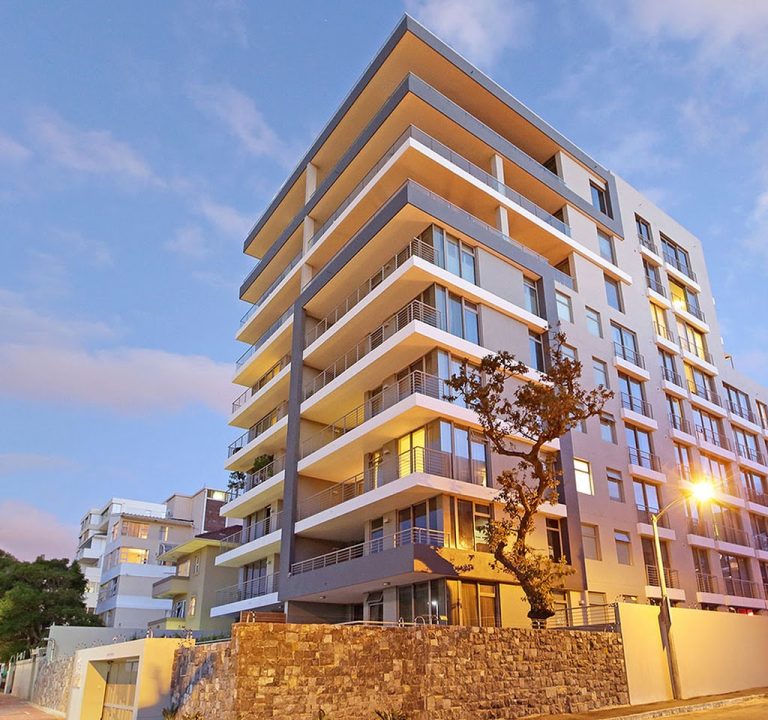
The City Bowl provides a central hub with easy access to museums, theatres and the historic Bo-Kaap, as well as convenient links to stylish dining and nightlife. The Atlantic Seaboard areas, including Camps Bay and Sea Point, offer beachfront views, sunset strolls and a more relaxed seaside vibe, often with modern apartments and guesthouses. For a wine-country side of Cape Town, Constantia and nearby Constantia Valley host renowned estates and leafy streets, ideal for day trips and slower-paced stays. If you’re drawn to a rural feel with easy access to the outdoors, the Constantia and Tokai regions can be excellent bases for hiking, mountain biking and botanical scenery. For a more residential, family-friendly atmosphere with easy mountain access, the Southern Suburbs and the northern enclaves near the Constantia Valley are popular choices. The Atlantic seaboard is particularly suited to travellers who want mornings on the beach and afternoons exploring the surrounding wine routes and coastal paths.
When booking, look for these practicalities to ensure a comfortable stay. En-suite bathrooms and reliable hot water are essential for back-to-back day trips. A good Wi‑Fi connection is important for planning routes or working remotely. Parking availability, security features, and proximity to public transport or major roads can save time and reduce daily stress. Some guests value a small, personal property with a host who can share local tips, while others prefer the independence of self-catering or boutique apartments. If you’re visiting in peak season, check for flexible cancellation policies and clear information about check-in times and luggage storage if your travel plans shift.
Typical amenities you'll find in well-regarded accommodation in Cape Town include comfortable beds with quality linen, climate control or heating for cooler evenings, well-equipped kitchenettes or kitchens, and access to outdoor spaces such as balconies or gardens. On-site parking, a guest lounge, and information packs about local attractions can also enhance your stay. Cleanliness and privacy are especially important in guesthouses and boutique hotels, where the character of the property often forms part of the appeal. For families or groups, larger rooms or suites with multiple beds and a kitchenette can provide real value and a more sociable atmosphere.
Transport is a key piece of planning. Cape Town’s MyCiTi bus network offers convenient links between major hubs, while ride-hailing apps are commonly used for shorter hops around the city centre and coastal districts. If you plan day trips to the Cape Peninsula, the city is well served by touring routes or organised transfers from most central accommodation. For guests staying near the Atlantic Seaboard, a short drive or ride can connect you to the closer beaches, markets and viewpoints, while staying closer to the City Bowl can shorten transit times for museum visits and city walks. Consider a stay that provides easy access to rolling hills and scenic viewpoints for morning hikes or late-afternoon vistas after a day’s activities.
The best times to visit Cape Town are generally during spring (September to November) and autumn (March to May), when the weather is mild, crowds are typically lighter than in peak summer, and coastal cities enjoy comfortable conditions for outdoor exploration. Winter brings cooler, wetter weather, which can be perfect for museum days and dining experiences, while summer days are ideal for beach-going and longer outdoor outings. Pack layers for rapid changes in weather, and remember that the sun can be strong even on cooler days near the coast, so sunglasses, sunscreen and a hat are sensible additions to your bag.
Nearby attractions and experiences span natural wonders, cultural landmarks and a dynamic dining scene. Expect the landscape to offer dramatic coastal views, cable-car or hike-access to hillside viewpoints, botanical gardens with shaded trails, and markets where local crafts and street foods reflect the city’s diverse communities. Restaurant options in Cape Town range from modern, casual bistros to refined establishments offering seasonal menus and seafood-forward dishes, often with an emphasis on local produce. While specific names, prices or awards aren’t enumerated here, you can look for venues with good reviews that emphasise fresh ingredients, friendly service and a welcoming ambience.
One recommended option for travellers seeking a personable, guesthouse-style stay is Kingslyn Boutique Guesthouse. Located in a convenient, well-connected area, it offers a classic bed-and-breakfast experience with comfortable rooms and close access to notable attractions. More information is available through the guesthouse’s website: Kingslyn Boutique Guesthouse.
- City Bowl: central access, museums, nightlife, easy city walking routes
- Atlantic Seaboard: beaches, sea views, stylish venues, quieter evenings
- Constantia and Tokai: wine estates, greenery, day-trip potential
- Southern Suburbs: family-friendly, mountain access, residential calm
Plan with a flexible mindset, keep transport options in mind, and allow time to enjoy both the iconic sights and the everyday charm of local cafés, markets and harbour-side strolls. With thoughtful preparation, a stay in Cape Town can blend natural beauty, cultural discoveries and restorative downtime into a balanced and memorable itinerary.