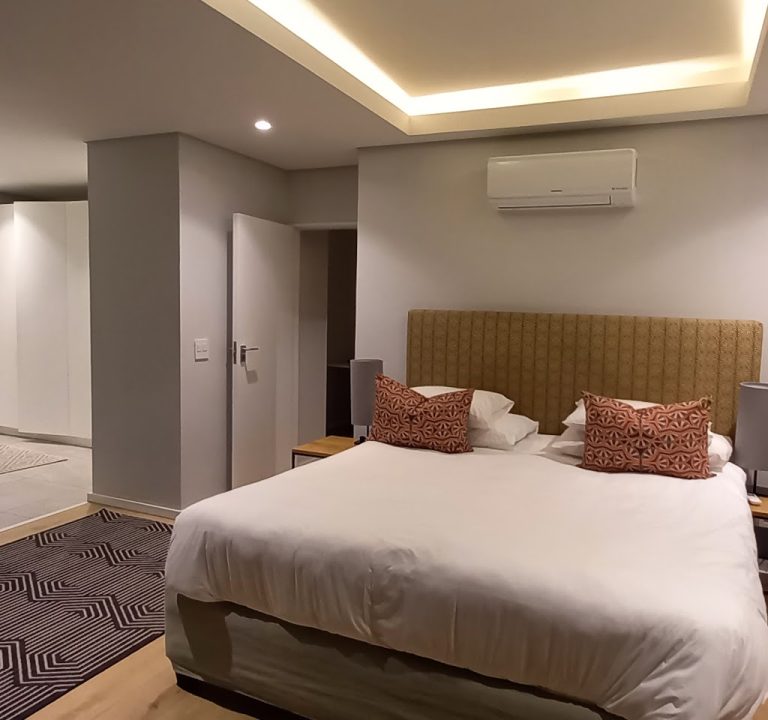
Accommodation and Experiences in Cape Town: Where to Stay and What to Do
Cape Town offers a diverse range of places to stay, from boutique B&Bs and guesthouses to contemporary hotels and family-friendly lodges. Planning a visit around a good neighbourhood, choosing suitable amenities, and building a realistic itinerary will help you make the most of the city’s spectacular setting between the sea and the mountains. Whether you prefer a stylish city centre base, a beachside stay, or a hillside retreat with nature on the doorstep, there are options to suit most tastes and budgets. Romney Park, a well-positioned hotel in Green Point, serves as a helpful example of the kinds of facilities travellers often value—comfortable rooms, on-site dining, and easy access to both the Atlantic coast and major transport routes.
When choosing where to stay, consider how you plan to move around. The city benefits from a mix of tarmacked streets and scenic routes, with convenient access to MyCiTi buses, Uber, and rental car options. If you prefer to walk and stroll, stay close to the V&A Waterfront, the central business district, or the Atlantic seaboard where many attractions, restaurants, and bicycle-friendly paths are within easy reach. For a more serene escape, look to prevailing hillside areas that offer tranquil views and easy routes to nature trails, wine regions, or the scenic coastal drives that define the Cape Peninsula.
Accommodation in Cape Town typically features a blend of practical amenities and thoughtful touches. Common inclusions include free Wi-Fi, secure parking, breakfast options, swimming pools, and 24-hour reception. Many places offer kitchen facilities or in-room fridges for practical stays, while some properties provide concierge services to help arrange tours, restaurant bookings, and day trips. If you are travelling with family or a group, seek homes or hotels with larger rooms or family suites, flexible cancellation policies, and accessible transport links. For business travellers, consider locations with workspaces, meeting rooms, or quiet lounges in addition to reliable Wi-Fi.
Areas to consider include:
- City Bowl and the Central Business District for convenient access to museums, galleries, and dining precincts.
- Green Point and the Atlantic Seaboard for proximity to trendy cafés, beaches, and the scenic coast trail.
- Constantia and the surrounding wine routes for a peaceful countryside vibe alongside wine estates and restaurants.
- Hout Bay and Camps Bay for a coastal feel with rugged mountains nearby and easy harbour access.
Typical amenities you might look for include en-suite bathrooms, air conditioning or underfloor heating, good lighting for work and leisure, secure parking, and on-site dining or easy access to nearby restaurants. A balcony or terrace can be a real treat, providing a place to enjoy sunrise or sunset over the landscape. For guests planning longer stays or travel outside peak season, flexible booking terms, seasonal rates, and a helpful front-of-house team can make a substantial difference to the experience.
Dining and experiences in Cape Town are as varied as the scenery. In the city, expect to find vibrant food scenes with stylish casual spots, farm-to-table menus, and performance venues that offer evening entertainment. For most visitors, a few meals away from the hotel—whether a casual coastal bistro, a stylish dinner venue, or a lively market stall—provide a sense of local flavour without overwhelming plans. Outside the dining room, the region offers a wealth of experiences, from scenic drives along the coast to guided tours that explore coastal ecosystems, nature reserves, and cultural heritage sites. When planning day trips, consider weather and daylight hours, particularly in winter, to ensure you can enjoy outdoor activities like hiking or boat trips safely and comfortably.
Best time to visit Cape Town depends on what you want from your stay. The dry season, typically from late autumn to spring, offers clearer skies and plenty of sunshine, ideal for hiking up Table Mountain, taking cable car rides when available, and exploring outdoor markets. The austral winter brings cooler, wetter conditions but can be a good time for fewer crowds and lush landscapes in the surrounding valleys. Spring and early summer deliver a balance of pleasant temperatures and vibrant coastal life, with wildflowers in bloom along the peninsula. Pack layers, a waterproof layer for occasional showers, and sun protection for days on the coast or on the hillside trails.
Practical tips for a smooth stay: book well in advance during peak tourist periods and major events, confirm cancellation terms, and check access to any planned activities or ferries. Use reputable transport options, particularly for early starts or late finishes. If you are visiting with children, confirm family-friendly features such as spacious rooms, child menus, and sometimes baby cots. Respect local guidelines for safety and environmental awareness, especially in coastal and national park areas, and consider contributing to ethical tourism by supporting locally owned guesthouses, curated tours, and small businesses where possible.
For more inspiration and planning help, visit Cape Town’s official tourism site, which offers practical travel information, suggested itineraries, and ideas for combining accommodation with memorable experiences: Cape Town Tourism.