Where to Stay in Cape Town and How to Plan a Memorable Visit
Cosmopolitan Cape Town offers a diverse palette of accommodation options, from boutique guesthouses tucked into leafy neighbourhoods to contemporary hotels with ocean glimpses and easy access to the city’s most iconic sights. Planning a stay in this region means weighing location against pace, as each neighbourhood brings its own flavour, conveniences, and shortcuts to the best experiences the Western Cape has to offer.
When choosing where to stay, consider what you want to do most. If you are drawn to dramatic coastal scenery and easy beach access, the Atlantic Seaboard and Camps Bay provide pristine sands, sunset views, and stylish eateries within a short stroll of many properties. For a more central, vibrant atmosphere with quick access to museums, markets, and historic streets, the City Bowl and Bo-Kaap neighbourhoods are ideal. For wine lovers and family stays, Constantia and nearby suburban pockets offer serene settings and easy day trips to the Cape winelands. If you prefer a harbourfront buzz with maritime industry and waterfront dining, the V&A Waterfront area is a practical base for day trips and boat excursions. Regardless of location, Cape Town’s varied topography means you can stumble upon striking views and quiet corners almost anywhere you stay.
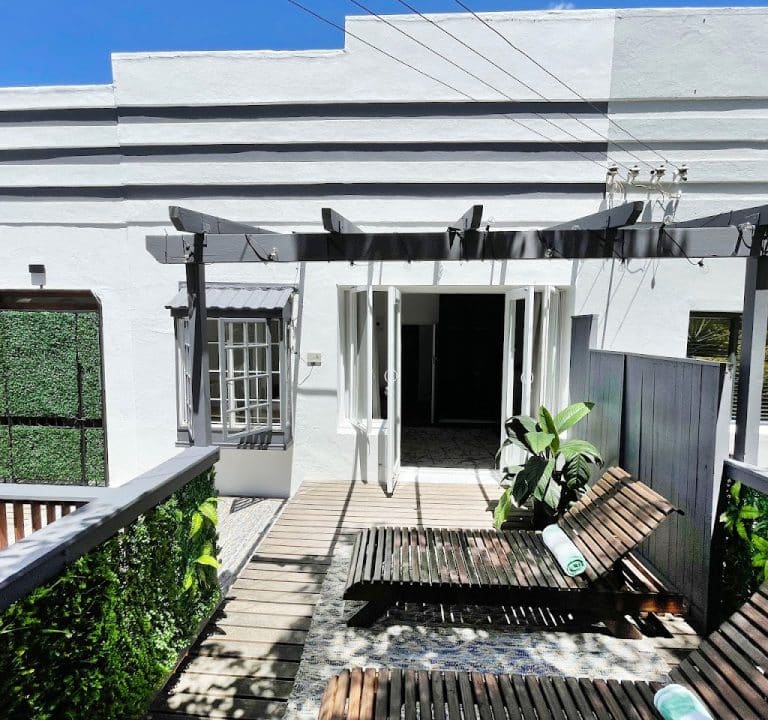
Typical amenities to look for include reliable WiFi, comfortable workspaces or seating areas if you need to stay connected, on-site dining options or easy access to highly rated neighbourhood eateries, a well-equipped kitchen for self-catering, secure parking, and clear information about safety and security in the area. Many properties offer generous breakfast options, USB charging points, air conditioning or heating, and thoughtful touches such as laundry facilities or a pool with loungers. If you travel in peak season, early booking is advised, but shoulder seasons often bring better value and calmer surroundings.
Transport convenience is a practical consideration. Cape Town is served by a metropolitan transport network, ride-hailing services, and car hire both for city exploration and day trips along the coast and to the Cape Winelands. If you plan to explore beyond the immediate city centre, a property with parking or easy access to major routes can save time. Proximity to MyCiTi bus stops, secure parking, and easy lift access for luggage can make a big difference for travellers with limited mobility or families with children.
The best time to visit Cape Town balances scenery, weather, and crowds. The city experiences a Mediterranean climate with warm, dry summers and cooler, wetter winters. Peak tourist months tend to be from December to February, when beaches are at their liveliest and outdoor activities are in full swing. Spring and autumn offer milder temperatures and fewer crowds, which can be ideal for hiking Table Mountain, visiting Kirstenbosch Garden, or exploring the peninsula at a gentler pace. Winter visits bring occasional rain and cooler seas, but dramatic skies and whale-watching opportunities around nearby coastal towns can be rewarding.
For an enjoyable stay, consider pairing your accommodation with a mix of activities: a morning hike or cableway ride up Table Mountain for panoramic views, a half-day trip to Cape Point and the Cape of Good Hope, and a leisurely afternoon at the V&A Waterfront with museums, markets, and harbour views. Nature lovers will appreciate Kirstenbosch National Botanical Garden, the Cape’s coastal reserves, and easy coastal walks along the Atlantic Seaboard. Food enthusiasts can explore a spectrum of dining options—from vibrant markets and casual eateries to fine dining experiences that showcase South African flavours and global influences.
Here are practical planning tips to help you get the most from your stay in Cape Town:
- Book a base with parking or easy street access if you plan to hire a car.
- Choose accommodation with a view or a short walk to a promenade to maximise sunshine and photo opportunities.
- Factor in travel time to Table Mountain and popular beaches when planning day trips.
- Look for properties that offer flexible cancellation policies in uncertain weather or travel plans.
- For a boutique experience, consider staying in a smaller hotel or guesthouse that emphasises local character and personal service, such as those that highlight neighbourhood walks, markets, and culinary experiences.
To illustrate the kind of stay one can plan in this region, boutique and design-led properties often provide intimate atmospheres with attentive service, on-site cafes or dining rooms, and curated local insights. For example, an established boutique option in the area offers a thoughtful blend of modern comfort and regional charm, with a focus on guest convenience and easy access to surrounding attractions. For more information about one such property, visiting their site can give a sense of the style, facilities, and guest experiences available: Nes on Lambert.
Beyond the accommodation, Cape Town’s dining scene and regional attractions offer plenty for all travellers. Expect a mix of casual, family-friendly eateries and refined venues that celebrate South African ingredients alongside international techniques. For a broad sense of the city’s culinary range, look for places that feature seafood fresh from the Atlantic, vibrant marketplaces with sampling opportunities, and neighbourhood cafés that offer excellent coffee and light meals after a morning of sightseeing.