Accommodating Cape Town: Where to Stay and What to Do
Cape Town is a city of striking contrasts, where mountains meet the sea and culture layers over centuries of history. When planning a stay in the Western Cape, travellers can mix beachside relaxation with urban exploration, all within reach of world-class sights. The most enjoyable visits often balance comfortable, well‑located accommodation with easy access to transport, dining, and outdoor adventures.
Choosing where to stay depends on the kind of experience you want. The City Bowl and the central De Waterkant area are ideal for those who want to step out of their door into a robust restaurant scene, museums, and easy city access. The Atlantic Seaboard, including Camps Bay and Clifton, offers a glamourous coastal ambience with long beaches and sunset views. Green Point and the V&A Waterfront provide a walkable mix of modern apartment-style hotels, boutique guesthouses, and convenient transport links. For wine lovers and families seeking a quieter environment, Constantia, Hout Bay, and the southern suburbs offer leafy streets, access to nature reserves, and days out in the Constantia Valley wine route. For a taste of colour and culture, the Bo-Kaap neighbourhood presents a rich historic fabric and compact guesthouses within easy reach of culinary and scenic highlights.
When booking, look for the following typical amenities and features to help you plan a comfortable stay. Quick wins include reliable high‑speed WiFi, secure parking or easy access to public transport, and friendly, knowledgeable reception staff who can offer local recommendations. Many guesthouses and smaller hotels in Cape Town prioritise personalised service, including curated breakfast options, flexible check‑in times, and guidance on current safety and access to popular sights. If you are travelling with family or a group, ask about apartment‑style layouts, kitchen facilities, and on‑site laundry services. For rail or bus connections, confirm a convenient pick‑up point or a short taxi ride to your transport hub, especially if you are catching day trips or longer outings from the city centre.
Practical planning often hinges on transport options. Cape Town’s MyCiTi bus network covers major routes across the city, with several routes feeding coastal and peninsula areas. Uber and other ride‑hailing services are widely available and can be a practical alternative for evening dining or later city explorations. If you plan to visit Cape Point or the Winelands, many accommodation providers can arrange day trips or private tours, which can be a convenient way to see multiple highlights without the hassle of self‑driving in unfamiliar terrain. Always check the location of your base in relation to the attractions you want to prioritise, and consider a base within a short taxi or ride‑share ride to maximise your time exploring rather than navigating lengthy commutes.
Best time to visit Cape Town varies by what you seek. Generally, late spring (October to December) and autumn (March to May) offer milder temperatures and fewer crowds, with pleasant days for hiking, beach strolls, and coastal drives. Summer (December to February) brings lively beaches and festival season, but can be busier and pricier. Winter (June to August) is cooler and wetter, yet the city remains vibrant with indoor cultural events and excellent value in many lodgings. Regardless of season, mornings can be crisp, with afternoons warming up along the Atlantic coast. Pack layers, sun protection, and a flexible itinerary to adapt to quick weather shifts, especially when planning outdoor activities like Table Mountain cable car rides or sea‑level walks along the coast.
Accommodations span a broad spectrum. Boutique guesthouses and mid‑range hotels often prioritise a warm welcome and a curated local experience, from breakfast spreads influenced by regional ingredients to guest lounges with regional literature and maps. For a more self‑catering approach, serviced apartments and self‑contained suites provide added privacy and kitchen facilities, which can be particularly convenient for longer stays or families. A well‑located option such as a guesthouse near the City Bowl or the Atlantic Seaboard can offer easy access to both markets and beaches, while a quieter base in Constantia or Green Point might suit travellers seeking a more relaxed pace after day trips.
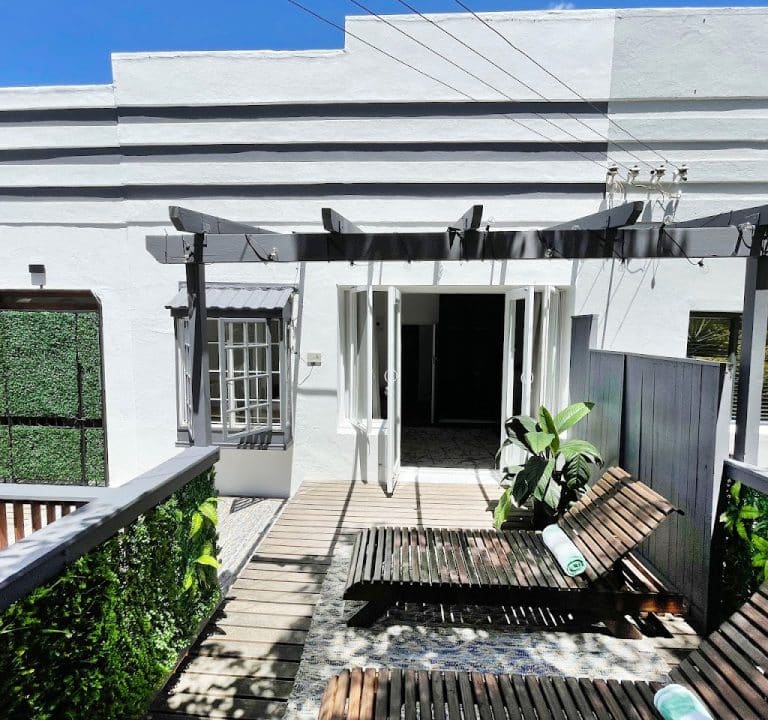
When browsing to stay, ask about practical details that can improve your visit. Water safety information and business continuity details are important in some seasons. If you prefer a quiet room away from street noise, request a room on a higher floor or facing away from busy roads. In many Cape Town properties, common spaces such as rooftop terraces, verandahs, or small courtyards provide a flavour of the city’s outdoor lifestyle, alongside breakfast rooms offering locally sourced produce. For a reference point, Ten Star Guesthouse offers a practical example of how a thoughtfully located property can balance comfort with accessibility to key sights and dining precincts. While not every stay will offer the same features, the emphasis remains on hospitality, clarity about location, and a thoughtful itinerary for your visit.
- Areas to consider: City Bowl / De Waterkant, Green Point, V&A Waterfront, Camps Bay / Clifton, Sea Point, Bo-Kaap, Constantia
- Amenities to prioritise: reliable WiFi, on‑site parking or easy public transport access, secure access, breakfast options, laundry facilities, kitchen or kitchenette
- Transport tips: MyCiTi and other public routes, ride‑hailing services, local taxi options, proximity to rail or bus hubs for day trips
- Activities to plan: Table Mountain, hiking trails, coastal drives, wine routes, museums and markets, scenic viewpoints, authentic dining experiences
Alongside accommodation, Cape Town offers a tapestry of experiences. Visitors can explore scenic viewpoints along the coast, stroll historic streets, and sample a range of cuisines reflecting the city’s diverse communities. Whether you are seeking a romantic seaside break, a cultural city break, or a family-friendly stay with easy access to nature, planning around strong localisation, transport ease, and a comfortable base will help you make the most of a Cape Town visit.