Staying in Cape Town: accommodation, planning and tips for visitors
Cape Town, in the Western Cape, offers a diverse range of places to rest your head, from boutique guest houses perched on the slopes of mountain ranges to modern hotels with harbour views and cosy guest rooms tucked away in historic neighbourhoods. When planning a stay, think about what will make your visit comfortable and convenient, rather than chasing the trendiest option. A well-chosen base can transform your Cape Town experience, helping you balance restful downtime with days spent exploring one of South Africa’s most varied urban landscapes.
Areas to consider include the City Bowl and V&A Waterfront for easy access to museums, restaurants and nightlife; the Atlantic Seaboard, including Camps Bay and the Atlantic beaches, for a coastal ambience and spectacular sunsets; and the Constantia valley or nearby winelands for a quieter retreat with vineyard dining a short drive away. If you want to stay close to the iconic Table Mountain, the upper part of the City Bowl or areas like Kloof Street offer convenient access on foot or by short taxi rides. For a more authentic neighbourhood feel, consider bed-and-breakfasts or guest houses in leafy suburbs such as Oranjezicht, Gardens or Muizenberg, where you can start day trips with a stroll through markets or seaside promenades.
When you book accommodation, look for several practical features. A flexible cancellation policy is helpful given Cape Town’s variable weather and the sometimes fluid travel plans of visitors. Check what is included in the rate—wifi, breakfast, secure parking, and daily housekeeping are common inclusions, but not universal. If you’re visiting in peak season or around major events, book well in advance, particularly for properties with limited rooms or those in sought-after locations near the centre or the coast. For families or groups, larger suites or rooms with separate living space can make a stay more comfortable, while solo travellers may value safe neighbourhoods, good lighting and convenient access to transit options.
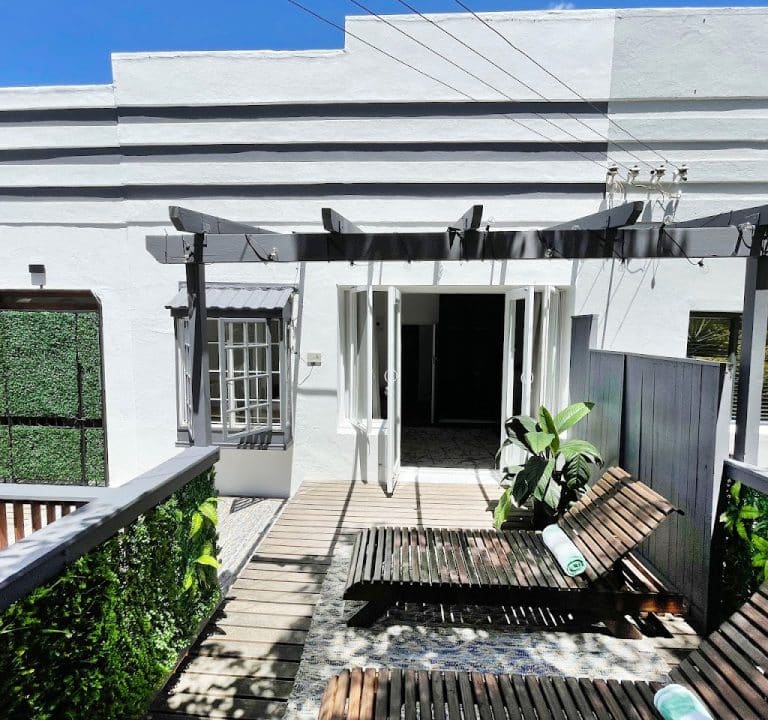
Typical amenities you’re likely to encounter include en-suite bathrooms, air conditioning or efficient cooling for warm days, and comfortable lounge areas. Properties in Cape Town often offer noteworthy extras such as outdoor seating with mountain or harbour views, small kitchens or tea-and-coffee facilities, and some with pools or access to private terraces. If you prioritise sustainability or a local vibe, seek places that emphasise eco-friendly practices or offer a personal touch, such as hosting guests in a home with a strong sense of place. Villa Belladonna, a guest house option, exemplifies how a well-curated boutique setting can deliver a sense of charm and thoughtful hospitality within a convenient location.
Transport is a key planning element. Cape Town’s public transport includes MyCiti bus routes and commuter services, but many visitors find rented cars or ride-hailing services the most flexible way to navigate the hills, coastal roads and winelands. If you intend to spend long days in Table Mountain National Park or Constantia, a car makes certain day trips easier. For shorter hops—between the City Centre, the V&A Waterfront and nearby beaches—walkable neighbourhoods plus occasional short rides are perfectly workable. If you prefer to rely on public transport, check the proximity of your accommodation to bus stops or rail links and whether the area is well lit and safe after dark.
The best time to visit Cape Town depends on what you’re seeking. Summer (November to March) brings long days, warm seas and lively outdoor spaces, though it is also peak tourist season, which can push up prices and crowd popular spots. Shoulder seasons—early spring and late autumn—often provide milder weather, fewer crowds and good value. Winter (June to August) is cooler and wetter, but the city’s indoor attractions and dining scene remain vibrant, and it’s a quieter time to explore the surrounding winelands or historic neighbourhoods. If you’re aiming for outdoor experiences like hiking or coastal wildlife spotting, plan for morning activities when conditions are most stable and temperatures are comfortable.
Practical tips to help you plan a smooth stay:
- Read guest reviews carefully to gauge consistency in housekeeping, reliability of staff and overall ambience.
- Confirm what time breakfast is available and whether there are options for dietary needs or early departures.
- Check the property’s proximity to the areas you most want to explore and whether you’ll need a car for convenience.
- Consider noise levels and room orientation if you’re a light sleeper or travel with children.
- Look for hosts or managers who can offer local tips on restaurants, markets and day trips, rather than only relying on standard tourist recommendations.
In terms of dining and experiences, Cape Town’s restaurant scene ranges from casual cafés with ocean views to refined tasting menus that celebrate regional produce. You’ll find vibrant markets, street-food stalls and long-established eateries celebrating multicultural influences. For day trips and experiences, many visitors combine a coastal outing with wine-tasting in the nearby winelands, a visit to historic sites on Robben Island, a cable-car ascent of Table Mountain, or a stroll through lush gardens and harbourfront promenades. To plan these activities, consult the city’s official tourism resources and trusted travel guides, which provide practical itineraries, seasonal highlights and suggestions for family-friendly, couple-friendly or solo adventures. For further inspiration and ideas, you can explore Cape Town’s official visitor portal and related travel sites before finalising bookings.