Cape Town Accommodation and Planner’s Guide: Stay, Eat, and Explore
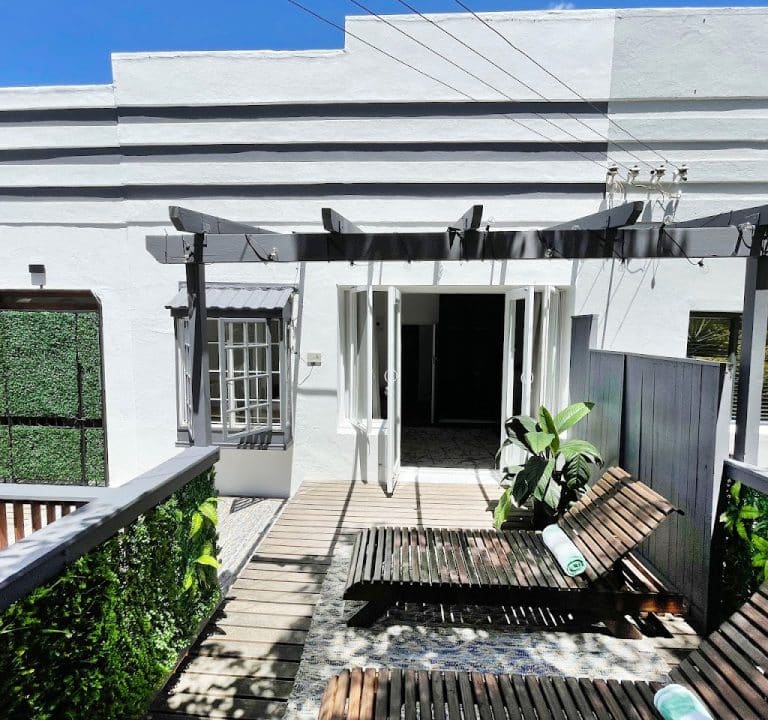
Choosing where to stay in Cape Town can shape the pace and enjoyment of your visit. The city offers a mix of intimate bed and breakfasts, stylish guesthouses, boutique hotels, and family-friendly lodges, each with its own character and proximity to the surrounding attractions. Aandbloem, a charming bed & breakfast option, exemplifies the kind of warm, personal hospitality that makes a stay memorable. When planning a visit, consider both the neighbourhood vibe and practicalities such as transport links, accessibility, and suggested daily itineraries.
Areas to consider. The Atlantic Seaboard and Camps Bay are known for coastal scenery, sunset views, and easy access to beaches. If you prefer a quieter, leafy setting with a short drive to the city, neighbourhoods like Constantia, Rondebosch, or Llandudno offer vineyard splendour and easy R66-to-city connections. Bo-Kaap and the central city area provide cultural flavour, historic streets, and convenient access to museums, markets, and an array of dining options. For families and longer stays, the southern suburbs near Kirstenbosch National Botanical Garden or the Constantia wine route can be ideal bases with plenty of space and parking. Whatever you choose, check the distance to your planned activities and whether your accommodation offers parking, shuttle services, or easy Uber availability.
What to look for when booking. A comfortable bed and clean, well-lit rooms are essential, but also consider window expertise (soundproofing in busy streets helps a good night’s sleep), the presence of ensuite bathrooms, and reliable hot water. For longer stays, a kitchenette or self-catering facilities can be very convenient. Helpful features include in-room workspace, strong Wi-Fi, secure on-site parking, and guest lounge areas. If you’re visiting in peak season, a flexible cancellation policy is worth prioritising. For sustainability-minded travellers, look for eco-conscious practices such as recycling programmes, energy-efficient lighting, and responsible water use. Finally, read guest reviews to gauge consistency, especially regarding staff attentiveness and the accuracy of property descriptions.
Typical amenities and practical details. Independent travellers often value breakfast options—the presence of a continental or cooked breakfast can save time in the mornings. Other popular amenities include a heated pool, garden spaces, guest kitchens, and bicycle or car hire assistance. Proximity to public transport, such as MyCiTi bus stops or train stations, makes day trips to the Cape Peninsula, Cape Point, or the winelands more convenient. If you rely on road travel, verify that your chosen area has straightforward routes to major highways and that local traffic patterns are considered in your planning. In the city centre, many properties provide concierge recommendations for tours, dining reservations, and tickets to attractions, which can streamline your stay.
Best time to visit and planning tips. Cape Town experiences a Mediterranean climate with wet winters and dry, warm summers. The summer months (roughly November to March) are popular for beaches, outdoor dining, and outdoor activities, but they can be busier and more expensive. Spring (September to November) and autumn (March to May) offer mild weather and excellent conditions for sightseeing around Table Mountain and nearby nature reserves. Winter (June to August) is cooler and often cloudier but can be ideal for exploring museums and indoor experiences, plus it’s off-peak for accommodation rates. Plan outdoor adventures like hiking or scenic drives for the best visibility on clearer days, especially if you aim to photograph the Twelve Apostles cliffs or the city skyline. Always layer clothing; Cape Town weather can shift quickly, particularly along the coast or at higher elevations.
Getting around. Public transport and ride-hailing services are widely available, making day trips feasible without a car. If you stay in or near the city bowl or Atlantic Seaboard, many attractions are walkable, and taxi or app-based transport is convenient for evenings out. For excursions to the Cape Winelands, Cape Point, or coastal towns, renting a car or joining a guided tour can be worthwhile. If you prefer a scenic approach, some operators offer half-day or full-day trips that include multiple stops such as viewpoints, nature reserves, and local eateries. When planning such trips, factor in travel times, especially during peak traffic and busy weekends.
Dining and experiences in broad terms. Cape Town’s dining scene spans casual cafés, vibrant markets, and refined restaurants focused on local produce. Expect dishes that showcase regional ingredients—fresh seafood, seasonal vegetables, and ingredients from nearby farms—paired with wines from the Western Cape. For a well-rounded visit, consider evenings that combine a stroll through historic areas with a relaxed dinner, followed by a harbour or waterfront stroll to enjoy the city lights. While specific restaurant names and prices vary, the city’s culinary landscape generally emphasises quality, hospitality, and a sense of place. For a more immersive experience, look for foodie-friendly tours or neighbourhood walking routes that highlight markets, street food stalls, and family-owned eateries.
- Book a stay in a neighbourhood close to your planned activities to minimise transit time.
- Prioritise spaces with reliable Wi‑Fi, parking, and self-catering options if staying longer.
- Check cancellation policies and guest reviews to gauge consistency and service quality.
- Plan outdoor days for mild weather windows and reserve indoor experiences for cooler or rainy periods.
- Use reputable transport options and allow extra time for mountain or coastal drives with variable weather.
With the right mix of accommodation, timing, and locally informed planning, a visit to Cape Town can be both easy and enriching. Whether you prefer a cosy bed and breakfast in a leafy suburb, a stylish guesthouse near the water, or a boutique hotel in the heart of the city, you’ll find a base that suits your pace. For more ideas and inspiration, explore official tourism sites and reputable travel guides to tailor a stay that blends natural beauty, cultural experiences, and memorable dining.