Accommodation and Experiences in Cape Town: A Practical Guide for Travellers
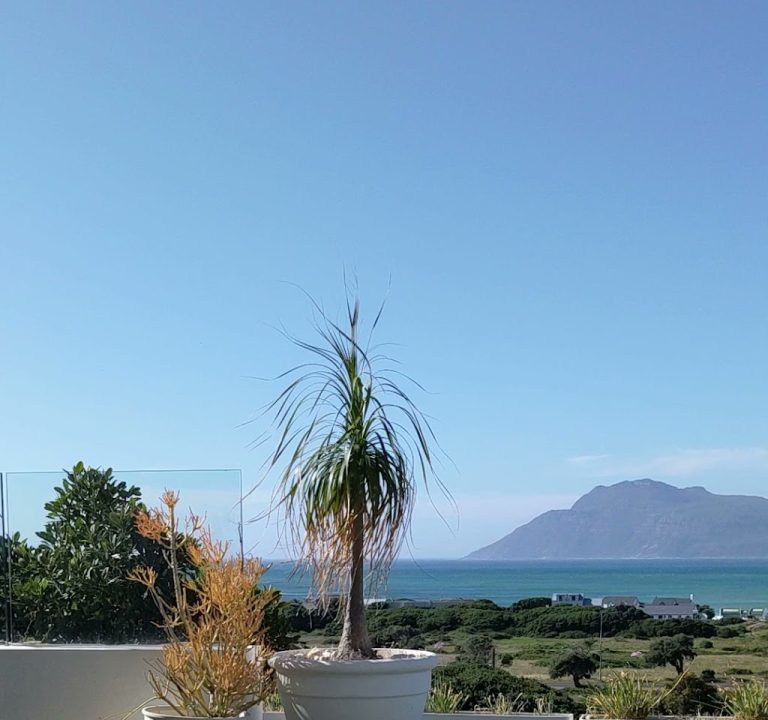
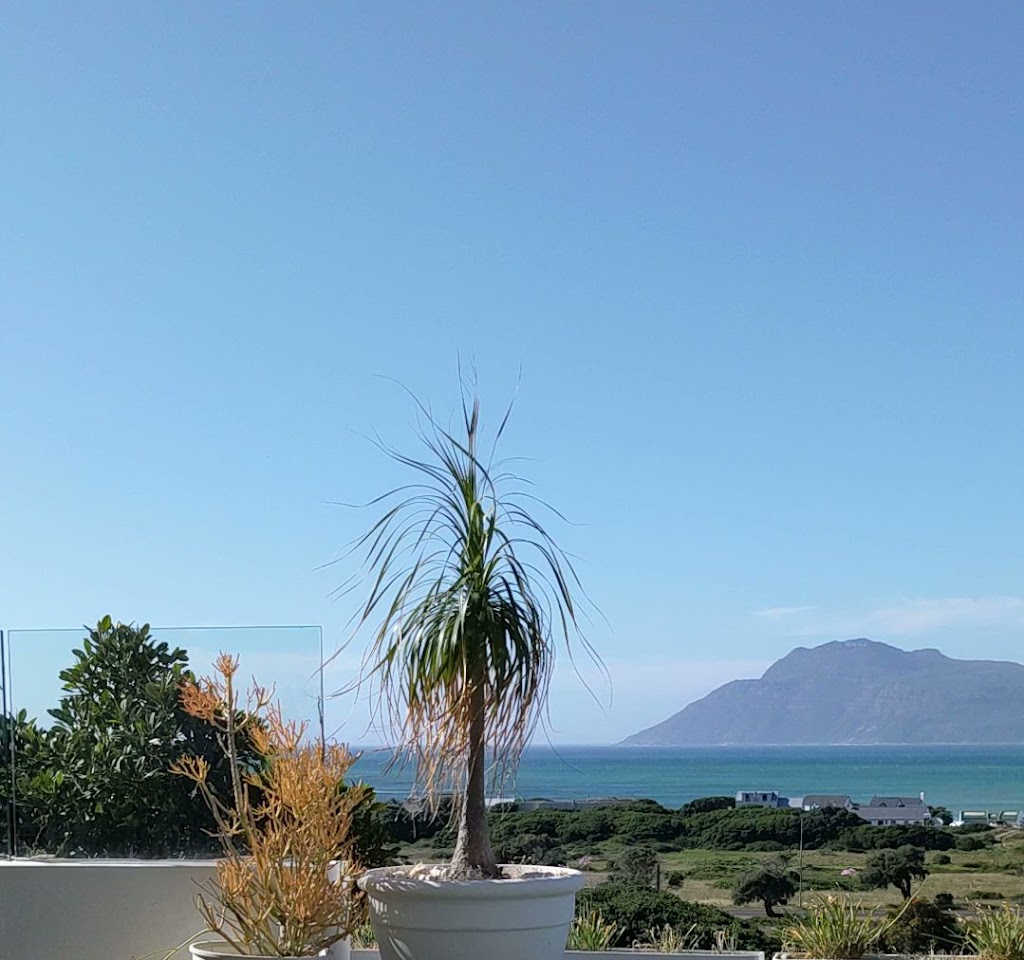
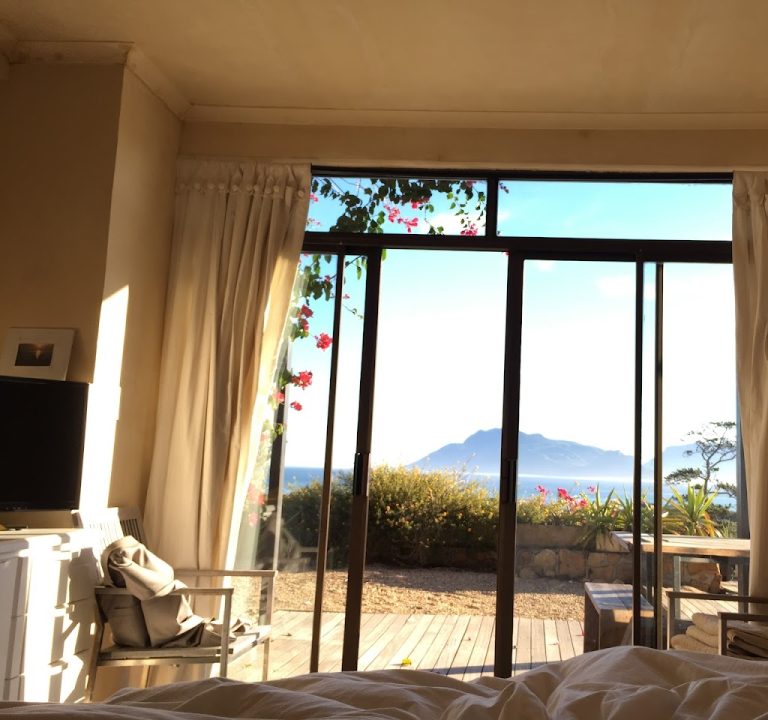
Cape Town, perched between the Twelve Apostles and the Atlantic Ocean, offers a diverse range of accommodation to suit every style of traveller. From self-catering apartments with a mountain view to boutique guesthouses in leafy neighbourhoods, there is a comfortable base for exploring this dynamic city. One example of self-catering options is Mountain and Sea holiday apartments, which illustrates the appeal of flexible stays that combine convenience with a sense of place. When planning, consider how you want to balance access to iconic sights with a neighbourhood that suits your pace and budget.
Area choice will shape your daily routine as much as your budget. The City Bowl puts you within easy reach of museums, cafés, and historic streets, with quick access to top viewpoints and the cable car to Table Mountain. The Atlantic Seaboard sections, including Camps Bay and Fresnaye, offer dramatic sea views and a more relaxed, upmarket vibe, often with stylish self-catering flats or small hotels nearby. Green Point sits between the city centre and the water, pairing convenient transport links with a lively dining scene and proximity to the promenade. Constantia, kilometres from the coast, provides tranquil suburban charm and access to wine estates, gardens, and leafy walks. For families or longer stays, self-catering apartments in these areas can offer spacious living, kitchen facilities, and the flexibility to dine in when weather or plans change.
When choosing accommodation, look for a few practical hallmarks. A well-equipped kitchen or kitchenette is essential for longer stays, as it allows you to settle in without relying on every meal out. Reliable Wi‑Fi, a comfortable bed, and a good shower are worth prioritising after a day on the hills or along the coast. Check parking arrangements if you plan to hire a car, and ensure there is a sensible conflict-free route from your base to major sights and to public transport hubs. If you value greenery or outdoor space, a balcony or terrace with a view can add a great deal to your stay, especially during late-afternoon sunshine as you unwind after a day of sightseeing.
Transport is an important planning element. Cape Town’s urban transport options include MyCiTi buses and a network of minibus taxis, with routes that connect the city centre, the Waterfront, and the surrounding suburbs. Some areas offer quieter streets and relative walkability, while others benefit from proximity to major routes for day trips to the Cape Peninsula, Cape Point, or nearby wine regions. If you plan to explore independently, consider a property with parking or easy access to reliable public transport. For guests who prefer a more relaxed itinerary, stay in a central location with walkable attractions and take a day tour or organised excursion to reach more remote viewpoints or coastal drives.
Best time to visit Cape Town depends on your priorities. Spring and autumn bring mild weather, fewer crowds, and pleasant coastal conditions for outdoor adventures. Summer offers long days and a festive atmosphere along the Atlantic coast, but can be busier and more expensive. Winter can be cooler and wetter, yet still provides opportunities to explore museums, markets, and the gastronomic scene in cosy venues. If you are seeking outdoor experiences such as hiking or coastal drives, packing layers and a rain shell is sensible year-round. Booking in advance for peak periods, particularly around school holidays and major events, helps secure preferred accommodation with the best available rates.
Practical tips for making the most of your stay:
- Read guest reviews to gauge how hosts handle local tips, neighbourhood safety, and noise levels.
- Ask about security basics, such as secure entry systems and well-lit access, especially if you plan to return after dark.
- Verify what is included in the stay—linen, towels, and cleaning services—so you aren’t surprised by extra costs.
- Check access to essentials like supermarkets, cafes, and pharmacies within a reasonable walk or short drive.
- Consider a mix of stays: a central base for sightseeing days, and a quieter apartment or guesthouse for restful evenings.
- Plan restaurant and activity bookings with flexibility; Cape Town’s culinary scene ranges from candlelit bistros to vibrant casual spots, often best experienced with a reservation during peak times.
Attractions and experiences in general terms are plentiful and varied. Iconic natural scenery such as mountains and coastlines invite sunrise walks, cable-car rides, or scenic drives along the peninsula. Cultural and historical venues offer perspectives on the city’s diverse heritage, while markets, galleries, and design districts provide opportunities to browse local crafts and enjoy regional flavours. Dining ranges from coastal seafood to contemporary African-inspired menus, with options that cater to seafood lovers, meat enthusiasts, and vegetarian guests alike. For those seeking a balanced itinerary, plan a day diverging between a scenic outdoor venture and an unhurried afternoon of wandering through nearby districts, markets, and cafés.
For more inspiration, consider visiting a few experiences that emphasise Cape Town’s distinctive blend of nature, history, and cuisine. You might arrange guided walks to viewpoints, coastal drives, or vineyard day trips within easy reach of many accommodation choices. Always check current travel advisories and opening times, and book any essential experiences ahead of time to ensure availability during your stay.
Website links to accommodation and traveller resources can be found via official tourism pages or property hosts. When staying in a self-catering option such as Mountain and Sea holiday apartments, you’ll typically enjoy the freedom to tailor mealtimes and daily rhythms to your plans, with the added convenience of a private space to return to after a day of exploration.