Cape Town: Accommodation and Planning Your Stay
Cape Town offers a diverse mix of places to stay, from intimate guesthouses tucked into leafy neighbourhoods to modern boutique hotels with views of the sea or the iconic Table Mountain. When planning a stay, think about what you want to explore most and how you prefer to move around. A well-chosen base can cut transit time, heighten convenience, and unlock easy access to Cape Town’s many attractions and experiences.
Areas to consider include the central City Bowl, which puts you within walking distance of museums, galleries and historic sites, and the stylish Atlantic Seaboard, where guesthouses and hotels can sit close to beaches and promenades. Constantia offers a quieter, wine‑country atmosphere with tranquil estates and country eateries, while the Cape Peninsula route provides a scenic kick‑start to a day of coastal exploration. Each area has its own character and pace, so decide whether you want lively nightlife, easy beach access, or a tranquil escape with greenery on the doorstep.
Typical amenities to look for include reliable Wi‑Fi, private en‑suite bathrooms, secure parking or easy access to public transport, and a generous breakfast offering. For many visitors, a guesthouse or boutique hotel with personalised service and local recommendations is ideal. If you value self‑catering options, look for units with well‑equipped kitchens or kitchenette facilities. Accessibility can be important for travellers with mobility needs; check door widths, ramp availability, and elevator access where relevant.
Transport in Cape Town is well supported by public systems and rideshare options, but many visitors find a little local knowledge goes a long way. The MyCiTi bus network is a practical choice for routes around the City Bowl and Atlantic Seaboard, while a car can be convenient for day trips along the Atlantic coast or to the Cape Peninsula. If you plan to visit a winery region such as Constantia or nearby Stellenbosch, a guided tour or organised transfer can remove the stress of parking and navigation.
Best time to visit Cape Town depends on the experience you want. Spring (September to November) brings mild weather and blossoming gardens, while summer (December to February) is popular for beach days and sea breezes, though it can be busier and pricier. Autumn (March to May) offers pleasant temperatures and fewer crowds, and winter (June to August) is cooler and wetter, ideal for city culture and cosy evenings. A well‑timed stay can align with quieter periods in popular areas and better value in accommodation, while still offering outdoor adventures on the Table Mountain range or along the coast.
Practical planning tips include booking a place with easy access to a safe, well‑lit area for evening strolls, especially if you plan to dine out and explore after dark. Read recent guest reviews focusing on cleanliness, consistency, and the responsiveness of hosts or managers. If you are travelling with family or a group, indoor space and privacy may matter more than ultra‑central locations, so consider a suite or apartment with distinct bedrooms and common areas. For longer stays, a little extra space for a home‑from‑home experience can make a big difference.
Activities and experiences to consider while you’re based in Cape Town fall into several broad categories. Natural beauty and outdoor adventures are a constant draw: you might plan a cable car ride up Table Mountain, a scenic drive along the Atlantic coast, or a hike in nearby nature reserves. Wildlife lovers may explore opportunities to visit nearby penguin colonies or marine‑life experiences along the coast. For culture and history, visit museums, galleries, and historic precincts to learn about the city’s past and its modern vibrancy. A day on the water, such as a harbour cruise or a coastal boat trip, can be a refreshing contrast to city sightseeing.
Where to eat is a quintessential part of the Cape Town experience. The city’s dining scene ranges from casual coastal cafés to refined eateries offering seasonal menus. Expect provisions that highlight fresh seafood, bold flavours, and world‑class produce. If you prefer local atmosphere, look for places with a sense of place and good feedback from guests who share your taste for relaxed dining or contemporary cuisine. Reservations can be helpful, particularly in peak seasons, and many venues now offer online menus and booking options on their own websites or through trusted travel platforms.
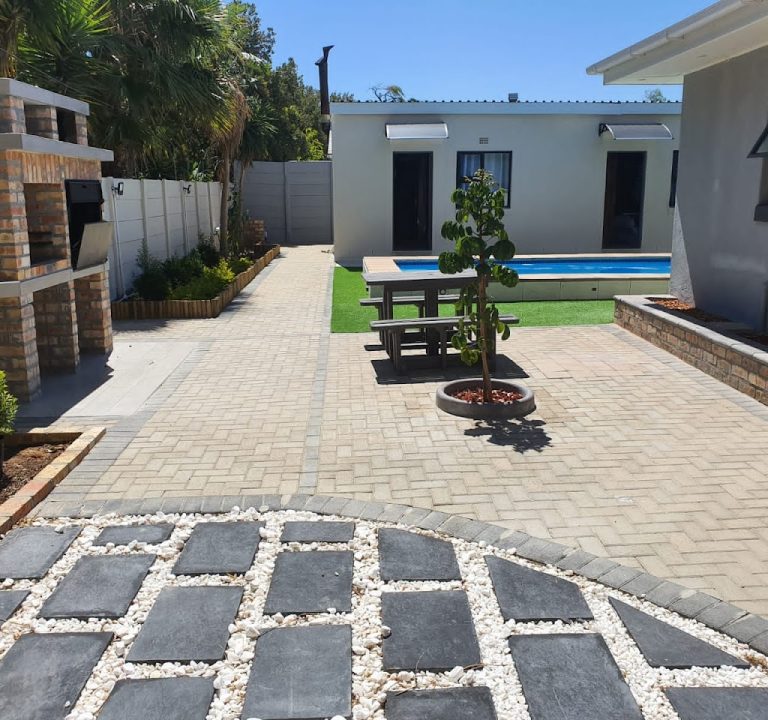
Accommodation like MO MAJORHOME, a Maison d'hôtes, can be a charming base for travellers who value intimate guesthouse styling, personal touches, and a comfortable home‑away‑from‑home feel. It’s worth checking the property’s website for practical details, photos, and nearby access to sights, restaurants, and transport links. For more information on a specific property, visit its official site at www.momajorhome.co.za.
- Plan your stay by outlining a rough daily itinerary that clusters close‑by sights to minimise travel time.
- Prioritise areas with good safety, transport options, and access to dining and markets.
- When possible, book accommodation with a flexible cancellation policy in case plans change.
- Check for inclusive breakfasts, transfers, or guided neighbourhood walks that can add value.
In short, Cape Town rewards travellers who balance location with comfort and practicality. By choosing a base aligned with your interests—be it beaches, mountains, culture, or food—and planning transport or guided options in advance, you can weave a memorable stay that captures the city’s unique blend of natural beauty and cosmopolitan charm.