Cape Town: Accommodation, planning and a flavour of the city
Cape Town sits between the Atlantic Ocean and the rugged outline of Table Mountain, offering a wide range of places to stay that suit every type of visitor. From cosy B&Bs in tree-lined neighbourhoods to stylish holiday apartments perched near the foreshore, the city rewards careful planning with easy access to beaches, dramatic scenery, and a thriving dining and culture scene. Whether you are seeking a seaside break, a city-centre base for exploring the Winelands and the Cape Peninsula, or a quiet retreat with views of the Twelve Apostles, there are ways to tailor your stay to your interests and budget.
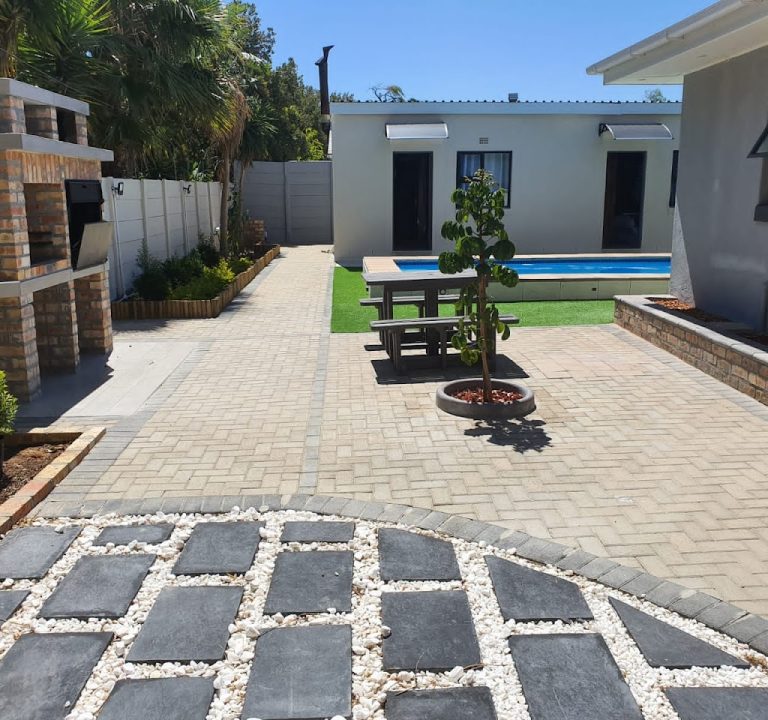
Areas to consider when booking include the City Bowl and Green Point for easy access to attractions, museums and eateries, often with a good mix of boutique guesthouses, apartments and contemporary hotels. The V&A Waterfront area is convenient for harbour views and guided excursions, while Camps Bay and Clifton offer upscale, sun-drenched beaches and stylish restaurants. For a quieter experience, the Southern Suburbs and areas like Constantia deliver leafy lanes, wine estates and family-friendly options. If you are travelling with family or groups, holiday apartments such as those marketed under the “All-Ways Guest House” category can provide self-catering facilities and more space than standard hotel rooms, helping you balance comfort with value.
When deciding where to stay, consider what you want to be close to. If your focus is iconic scenery and easy beach access, a coastal neighbourhood can save travel time. If you prioritise nightlife or museum-hopping, a central base with reliable transport links is more practical. Look for accommodation that clearly lists proximity to major routes, popular viewpoints, and anchoring conveniences such as supermarkets, cafes and car hire services. Check whether the property operates on self-catering, B&B, or full-service hotel style, and whether there are any shared facilities that might influence your plans.
Typical amenities to look for include reliable Wi‑Fi, a well-equipped kitchen or kitchenette if you plan to self-cater, secure off-street parking or convenient transport access, and flexible check-in options. Many self-catering holiday apartments offer open-plan living spaces, patios or balconies with views, and laundry facilities, while guesthouses and boutique hotels may provide daily housekeeping, on-site reception, and informal dining. For families, ask about cribs, high chairs, and quiet rooms; for travellers with work needs, check power outlets, desks, and charging facilities. In peak season, properties with a small number of rooms and personal service can feel more welcoming, so read guest reviews to gauge consistency of hospitality and cleanliness.
Transport in Cape Town is varied but manageable. Insider tips include planning ahead for mountain routes, using well-lit main roads, and coordinating with hosts about safe parking or shuttle options. Many visitors rely on a combination of rental cars, rideshare services, and a reputable hop-on-hop-off sightseeing itinerary. If you intend to explore the Cape Peninsula or the Winelands, choosing accommodation with easy access to main highways or with partner tours can streamline your plans. In urban areas, proximity to MyCiTi bus stops or train stations can simplify trips into the city centre or to the Atlantic coast.
The best time to visit Cape Town depends on what you want to do. Summer (December to February) offers long days, great beach conditions, and vibrant street life, but it is also peak season, so expect larger crowds and higher rates. Spring (September to November) often delivers pleasant weather and blooming flora, a good compromise for those seeking milder temperatures and a more relaxed pace. Autumn (March to May) can be sunny and calm, while winter (June to August) brings cooler winds and the possibility of rain, yet it remains a wonderful time to enjoy the city’s indoor attractions, museums, and gourmet dining. If you plan outdoor activities like hiking or coastal drives, check the local weather forecast and be prepared for rapidly changing conditions, especially along the Atlantic seaboard.
Practical planning tips for a smooth stay include booking accommodation with clear cancellation policies and flexible dates, especially if you are travelling during school holidays or long weekends. Read recent guest reviews to gauge upkeep, noise levels, and response times from hosts or management. Consider a mix of experiences for a well-rounded visit: take in a scenic lookout or coastal walk, sample Cape Town’s culinary scene with a focus on fresh seafood, and set aside time for a day trip to the Cape Winelands or the Cape Peninsula’s rugged shores. When you book, verify what is included in the rate—water, electricity, and heating can vary by property, and some listings specify whether appliances such as dishwashers or washing machines are available for guests.
To help you plan, here is a short checklist of what to compare before confirming a stay:
- Location relative to the places you plan to visit most
- Proximity to reliable transport options and parking arrangements
- Self-catering facilities and dining options on site
- Cleanliness, guest reviews, and host responsiveness
- Cancellation policy and overall value for money
Cape Town is a city of contrasts, where easy beach access meets dramatic scenery and a cosmopolitan food scene. With thoughtful planning—selecting the right area, understanding the amenities you require, and aligning your stay with the activities you wish to pursue—you can craft a memorable visit that leaves you refreshed and inspired. For more ideas and practical inspiration, you can explore official tourism resources and a range of accommodation listings that highlight both city-centre convenience and peaceful, scenic retreats nearby.