Planning a Cape Town stay: where to stay, what to see, and how to make it easy
Cape Town offers a rich mix of scenery, culture and cuisine, with accommodation that ranges from stylish guest houses to contemporary hotels and lodge-style retreats. When planning a visit, think about distance to the city’s famed landmarks, daily light for photography, and the pace you want—from coastal strolls to mountain adventures. A well-chosen base can reduce travel time, maximise comfort, and help you enjoy the full variety of experiences the region offers.
Areas to consider when choosing where to stay include the city bowl and central suburbs for easy access to museums, markets and restaurants; the V&A Waterfront area for harbour views and a stroll along the quay; coastal suburbs such as Camps Bay and Bloubergstrand for beaches and sunsets; and the Constantia Valley for wine-tasting and green hills close to outdoor trails. For a quieter home-from-home atmosphere, guest houses and small lodges in quieter neighbourhoods can provide personalised service and a more local feel, often with gardens or sea views.
- City centre and Green Point: convenient for urban exploration, a short walk to eateries and nightlife, with good public transport access.
- Camps Bay and Clifton: beach-focused stays with dramatic ocean scenery and mountain backdrops, ideal for sunset photography.
- Observatory and Woodstock: vibrant, creative districts with artisan cafés and street art, close to transport hubs.
- Kirstenbosch/Constantia: quiet leafy lanes and proximity to wine estates, great for families and quieter breaks.
- Atlantic Seaboard and False Bay: a balance of beaches, dramatic scenery and scenic drives along the coast.
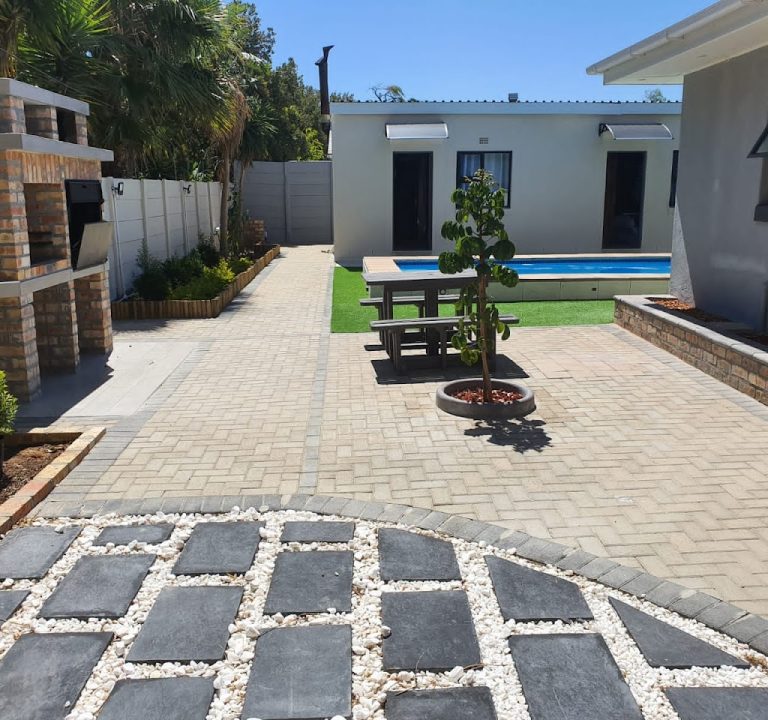
When booking, look for essential amenities that match your plans. En-suite bathrooms and reliable Wi‑Fi are particularly important if you plan to spend evenings relaxing after outdoor days. A-light breakfast or self-catering options can save time before sightseeing, while air conditioning or heating helps with Cape Town’s changing seasons. Parking facilities are convenient if you hire a car, and some properties offer transfers or guidance on local routes. Many guest houses and lodges in the area also provide thoughtful touches such as gardens, pool areas or terraces with views of Table Mountain or the ocean.
Transport in Cape Town is efficient and varied. The MyCiTi bus network covers many parts of the city, though some areas are easier to reach with a car. Car rental offers flexibility for exploring the Cape Peninsula, Cape Point, Hout Bay, and the Constantia wine route. For visitors keen on iconic experiences, guided tours can help structure a day—such as a climb or cable car ascent of Table Mountain, a scenic drive along Chapman's Peak, or a boat trip to the Cape peninsula. If you prefer rail services, regional options can connect some coastal communities, though schedules may be less frequent outside peak tourist periods.
The best time to visit Cape Town depends on what you want from your trip. The spring and autumn shoulder seasons bring mild weather and fewer crowds, which can be ideal for outdoor activities and city sightseeing. Summer offers longer days for beach time and harbour cruises, but can be busy and pricier. Winter (June to August) is cooler with higher chance of rain, yet the landscape is striking against stormy seas and the city remains vibrant with indoor events, markets and dining. Whatever the season, a flexible itinerary helps balance outdoor time with indoorsy pursuits like museums, galleries and food tours.
When it comes to experiences, Cape Town offers a broad palette. You’ll find scenic walks and hikes, from easy coastal paths to higher viewpoints, plus the opportunity to explore the city’s multicultural culinary scene. Expect markets, bistros and cafés serving fresh seafood, braai-style grill options, and modern South African cooking. Across the peninsula, wine estates offer tastings, picnics, and views over mountains and vines. More immersive options include guided nature walks, coastal boat trips, or cultural tours that interpret the city’s history and neighbourhoods.
Practical tips to help you travel smoothly: book well in advance for high season and popular periods, especially for well-regarded guest houses and lodges such as Balmoral Luxury Lodge, which provides a guest house experience with thoughtful rooms and a strong sense of place. You can explore Balmoral Luxury Lodge online at their official website: https://balmorallodge.co.za/. When dining out, reserve where possible, particularly on weekends, and be mindful of local tipping practices. Pack for changing weather, keep valuables secure, and plan some days with flexible timing to cope with sudden cloud cover or rain on the mountains. Finally, respect neighbourhood norms, follow posted safety guidance, and enjoy the warmth of Cape Town’s hospitality and scenery as you plan your memorable stay.