Accommodation in Cape Town: where to stay and how to plan your visit
Cape Town offers a compelling mix of coastal scenery, historic neighbourhoods and a modern dining and culture scene. Whether you prefer a stylish boutique guesthouse in the City Bowl, a sea-view apartment in Camps Bay, or a laid-back bed-and-breakfast in Constantia, planning ahead can help you make the most of your stay. The city’s accommodation options range from intimate inns and family-run guesthouses to contemporary hotels with pool decks and spectacular harbour views. A well-chosen base will reduce travel time between activities and allow you to relax between adventures.
When choosing where to stay, consider what you want to prioritise. If you’ll be exploring the waterfront and central sights, a neighbourhood such as the City Centre, De Waterkant, or the V&A Waterfront area can be convenient for mornings and evenings alike. For beaches and sunset dinners, areas like Sea Point, Bantry Bay, and Camps Bay are popular. For nature and wine, Constantia and the southern suburbs offer tranquillity and leafy lanes. If you’re after a more relaxed, village-like atmosphere with easy access to vineyards and mountain trails, Constantia and the Southern Suburbs are worth exploring. Look for properties with easy access to reliable transport links, parking if you’re driving, and quiet hours if you’re seeking a restful stay after long days of sightseeing.
Typical amenities to look for include complimentary Wi‑Fi, secure parking, breakfast options (self-serve, continental, or cooked), and easy access to information about local attractions. Many Cape Town hosts offer personalised tips for day trips, including wine tastings, scenic drives, and hikes. Some properties provide organised activities or shuttle services to popular destinations, which can save you time and help you navigate the city with confidence. If you prefer a self-contained experience, consider a serviced apartment or a guesthouse with kitchen facilities so you can dine on your schedule after busy days out.
Transport in Cape Town is straightforward but requires some planning. The MyCiTi Bus network covers many central areas and popular routes, while rideshare services and traditional taxis are widely available. If you’re renting a car, ensure your accommodation has secure parking or a nearby option. For peak season visits, it’s wise to book airport transfers or car hire in advance and coordinate activities around the best times to visit busy attractions to avoid long queues.
The best time to visit Cape Town depends on your priorities. The city enjoys warm summers from November to February, with long days perfect for outdoor activities along the Atlantic coast. Spring and autumn (September to November and March to May) bring milder temperatures and fewer crowds, which is ideal for sightseeing and hiking. Winter (June to August) can be cooler and wetter, but this season also offers dramatic scenery, fewer tourists, and excellent value in many accommodation types. If your main aim is to experience the wine regions nearby, plan a few days in the Constantia and Stellenbosch areas, which are lovely throughout the year, with differing seasonal highlights.
When booking, think about practical tips to smooth your stay. Read recent guest reviews to gauge consistency and service quality, especially regarding breakfast options, check-in procedures, and accessibility. Check whether an establishment provides flexible cancellation policies, which can be helpful if plans change. Confirm what meals are included and whether there are nearby dining options for evenings you don’t feel like cooking or venturing far. If you have mobility considerations, verify the presence of lifts or ground-floor rooms. Finally, consider a stay that balances comfort with access to the city’s highlights, so you can enjoy a well-rounded Cape Town experience without spending excessive time commuting.
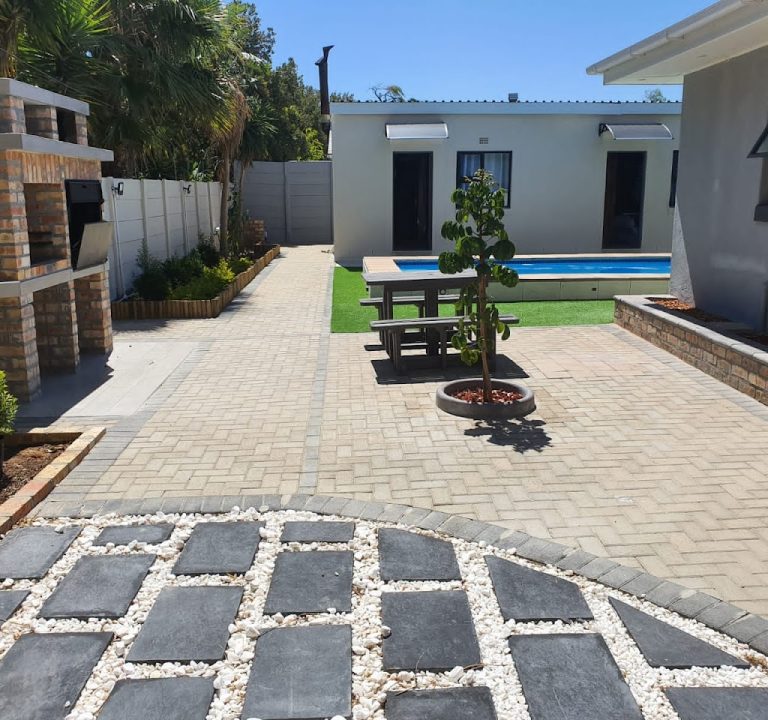
For travellers seeking examples of accommodation in Cape Town, TELJAA GUESTHOUSE represents the category of guesthouse-style hotels that combine personal service with a homely atmosphere. While each property has its own character, many similar stays emphasise warmth, local charm, and a sense of place. In terms of activities, Cape Town offers a wealth of experiences beyond the hotel door. You can explore iconic outdoor attractions, take guided tours to historic sites, and sample a diverse array of dining options that showcase regional flavours and global influences. Markets and artisan districts provide opportunities to discover local crafts, while scenic viewpoints and nearby nature reserves offer memorable day trips.
- Plan in advance for peak seasons and tailor your choice to the kind of stay you want—city buzz, beach relaxation, or mountain and wine country.
- Check transport options and proximity to attractions you’ll visit most, to maximise time spent sightseeing rather than travelling.
- Look for friendly, informed hosts who can offer personalised day-trip ideas and safety tips for each neighbourhood.
- Consider flexible meal arrangements and kitchen facilities if you enjoy cooking or saving on dining out.
When it comes to attractions and dining, Cape Town is best enjoyed with a flexible plan. Iconic natural landmarks, coastal walks, and viewpoints sit alongside vibrant markets, museums, and a dining scene that blends South African flavours with international influences. Popular activities include hiking Table Mountain or Lion’s Head, visiting historic sites, exploring the harbour area, and taking a day trip to the world-renowned Winelands. Restaurants commonly offer fresh seafood, braai-style grill dishes, and contemporary cuisine that highlights local produce. Rather than pinning down exact names or prices here, travellers can expect a broad spectrum of options to match different budgets and tastes, with many venues providing seasonal menus and chef-led tasting experiences.
For more inspiration and practical planning, the official tourism site for Cape Town and the Western Cape provides a starting point for current events, seasonal highlights, and suggested itineraries. It is worth checking local neighbourhood guides for the latest recommendations on eateries, markets, and family-friendly activities, especially if you’re planning a longer stay. A well-chosen base, paired with a flexible itinerary and a touch of curiosity, will help you discover the best of Cape Town while staying comfortably and efficiently.