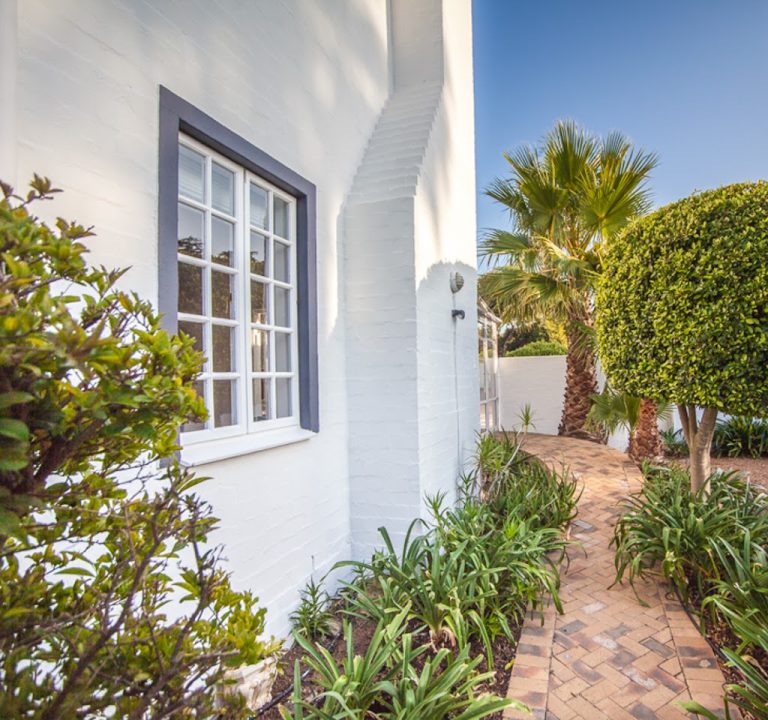
Mieke’s Cottage is a Guest house establishment in Cape Town, Western Cape, South Africa
Mieke's Cottage, Cape Town
Located in the Western Cape, Mieke’s Cottage presents a charming option for travellers seeking a stay in Cape Town. The listing situates the property within a vibrant city environment, offering convenient access to local amenities and the broader array of South Africa’s famed coastal scenery and neighbourhoods.
From the information available on the listing, the accommodation appears to be presented as a standalone dwelling that blends a homely, cottage-style atmosphere with practical traveller needs. While specific details about room configurations, en-suite facilities, or on-site amenities are not listed here, the property is framed as a comfortable base from which to explore the area, with an emphasis on a relaxed, local experience.
Guests interested in a stay at Mieke’s Cottage can expect a focus on guest comfort and a lifestyle that aligns with a welcoming, home-from-home feel. The property’s character is reinforced by its setting in Cape Town, a city renowned for its natural beauty, diverse neighbourhoods, and a rich cultural scene. This combination makes the cottage appealing to travellers who prioritise a peaceful home base with easy access to urban highlights and outdoor attractions.
For visitors planning a trip to the region, the cottage represents a practical option for those who prefer a quiet, private space while staying within reach of Cape Town’s broad range of experiences. While the listing does not enumerate every facility, it remains consistent with the broader appeal of city-accessible, traveller-friendly accommodation that prioritises convenience, comfort, and local flavour.
Potential guests are encouraged to review current occupancy details, cancellation policies, and any house rules directly on the listing page. As with many short-term rentals, the final choice often hinges on how closely the property’s vibe and location align with individual travel plans, whether those involve sightseeing, beaches, hiking, or dining experiences in and around Cape Town.
- Booking and stay tips: check dates and pricing on the listing page to understand any seasonal variations and total costs.
- Planning considerations: consider proximity to sought-after neighbourhoods, markets, and coastal drives to make the most of a Cape Town visit.
- Local insights: explore nearby eateries, coffee spots, and walkable routes suggested by locals for a richer experience of the city.
In summary, Mieke’s Cottage offers a straightforward, guest-focused option for travellers visiting Cape Town. Its cottage-style character and city-friendly location position it as a versatile base for exploring one of South Africa’s most dynamic destinations. For more details, including availability and photos, prospective guests can visit the listing on Airbnb via the provided link.
Cape Town
Western Cape
7550
South Africa


Accommodation and experiences in Cape Town: planning your stay and making the most of the city
Cape Town is a city built on contrasts: dramatic coastline, rugged mountain backdrops, and a cosmopolitan mix of neighbourhoods each with its own character. When planning a stay, think about what you want to experience most—beach days, winelands, cultural sights, or a mix of easy convenience and scenic exploration. A well-chosen base can save travel time and put you within reach of both iconic landmarks and lesser‑known gems.
Popular areas to consider include the Atlantic Seaboard for sea views and a buzzy dining scene, the city centre for proximity to markets, museums and nightlife, and the Southern Suburbs or Constantia for leafy streets, larger guesthouses and easy access to wine estates. If you’re seeking a more intimate, home-from-home feel, boutique guesthouses and guest rooms in character-filled neighbourhoods offer personalised service and a slower pace while still keeping you close to major sights.
When choosing accommodation, consider the following aspects to ensure a comfortable and convenient stay:
- Location and access to transport: Look for options within walking distance of MyCiTi bus routes, metro stations, or taxi services. Proximity to the neighbourhood’s focal points—whether a beachfront promenade, a historic district, or a vibrant bazaar—can reduce the need for long daily commutes.
- Type of space: Guest houses and B&Bs often provide breakfast and personal touches, while self‑catering options offer flexibility for families or longer stays. A smaller property may mean a more personalised experience, but it’s worth checking what amenities are standard (air conditioning, heating, Wi‑Fi, parking, laundry facilities).
- Amenities and service: Compare whether you want a host’s tip on local dining, or a more independent stay with flexible check‑in times. Clarify policies on shared spaces, access to kitchens, and the availability of guides or maps for self-guided itineraries.
- Safety and accessibility: Inquire about secure parking, once you’ve settled on a neighbourhood, and confirm access arrangements for late arrivals or early departures.
Typical amenities you might encounter in Cape Town accommodation include en-suite bathrooms, breakfasts featuring locally sourced ingredients, and common lounges or terraces with city or sea views. Some properties highlight seasonal decor and a warm, home‑like atmosphere. For those visiting with families or groups, options with multiple bedrooms or apartment-style layouts can offer both comfort and flexibility without compromising on a central location.
Transport in Cape Town is well supported by bus services and ride‑hailing options, though many travellers still prefer to hire a vehicle for day trips to the Winelands, the Cape Peninsula, or whichever direction the scenery leads. If you’re not planning to drive, choose a base close to major bus routes or a hub with easy access to guided tours. Consider whether the property offers secure parking if you do decide to rent a car, and verify what public transport connections are available from your chosen neighbourhood to the city’s major attractions.
The best time to visit Cape Town depends on your priorities. Spring (September to November) and autumn (March to May) bring mild temperatures and fewer crowds, ideal for hiking Table Mountain or exploring Table Bay’s coastal paths. Summer (December to February) is peak season, with longer days, bustling beaches and a thriving restaurant scene, but it can be busier and more expensive. Winter (June to August) is cooler and wetter, yet many visitor areas remain accessible with fewer queues. If you’re chasing coastal scenery and hiking, plan for variable microclimates and pack layers, a waterproof, and good walking shoes.
When planning a stay, it helps to balance iconic sites with local, quieter experiences. Cape Town’s major attractions span natural wonders and cultural venues: from reaching the top of a cable car or hiking trails with panoramic views, to museums and markets that showcase South Africa’s diverse heritage. For a well-rounded itinerary, consider morning explorations along the coastline, a mid‑day visit to a museum or gallery, and an afternoon at a market or waterfront precinct where you can sample regional fare and browse crafts. Bear in mind that some experiences may be weather‑dependent, particularly those on the water or high on mountain routes.
Dining is a key part of the Cape Town experience. The city’s restaurant scene ranges from contemporary bistros and ocean‑front venues to classic eateries that celebrate Cape flavours and fresh produce. Rather than focusing on fixed names or prices, look for places with a strong emphasis on local ingredients, seasonal menus, and a welcoming, relaxed atmosphere. If you prefer a more private setting, several guesthouses and boutique hotels arrange recommendations or even personalised table bookings for guests, which can make dining during busy periods smoother.
As an example, boutique accommodations in distinctive neighbourhoods can offer a compact, comfortable home base with a sense of place, such as a neatly converted cottage or guesthouse tucked away from the main thoroughfares yet still within easy reach of sights. These properties often provide thoughtful touches—a well‑equipped kitchenette, comfortable living spaces, and outdoor seating where you can unwind after a day of exploring. When you book, review the listing's description and guest reviews to gauge how well the host supports guests with local tips, transportation options, and planning suggestions.
To help you compare options and plan ahead, consider making a short checklist before booking: distance to your must‑see spots, convenience for transport, clarity of the breakfast or self‑catering arrangements, and the level of personal service you prefer. A flexible cancellation policy is also valuable, especially if your plans change with weather conditions or new opportunities to explore as the city evolves. For further inspiration and to view booking options, you can explore listings and accommodation ideas on reputable platforms, which often provide maps, neighbourhood guides, and guest reviews to inform your choice.
Whether you stay in a cosy guesthouse or a stylish suite, Cape Town is a city that rewards careful planning and a sense of discovery. With the right base, you can enjoy sweeping views, culinary delights, vibrant markets and memorable coastal walks, making the most of every moment in this remarkable corner of South Africa. For more information and examples of accommodation that reflect Cape Town’s distinctive hospitality, visit trusted booking platforms and explore listings in the area.
Sorry, no records were found. Please adjust your search criteria and try again.
Sorry, unable to load the Maps API.
Why Claim Your Listing?
Claiming your listing on the B&B Finder directory website is a valuable opportunity for business owners. Here are five reasons why you should consider claiming your listings:
Control Over Business Information: By claiming their listing, business owners can ensure that all the information presented is accurate and up-to-date. This includes details such as contact information, address, pricing, and available services or amenities. Accurate information helps prevent customer confusion and improves overall satisfaction.
Enhance the Listing: Once a listing is claimed, owners can enhance it by adding more comprehensive information and rich media, like high-quality photos and videos. These additions can make the listing more attractive and engaging to potential customers, thereby increasing the likelihood of bookings.
Marketing Opportunities: Claiming a listing can also open up additional marketing opportunities. Owners may be able to participate in promotional campaigns, special offers, and other marketing activities organized by the directory. This can increase visibility and attract more customers to the business.