Cape Town: Accommodation, attractions and planning your stay in the Western Cape
Cape Town is a destination that rewards careful planning. Whether you prefer a cosy guest house tucked away in a leafy suburb, a stylish boutique hotel with sea views, or a self-contained apartment near the vibey waterfront, the city offers a wide range of options to suit different budgets and preferences. When planning a stay, it helps to think first about location, transport and the pace you want for your visit, then align your choice of accommodation with nearby attractions and dining experiences.
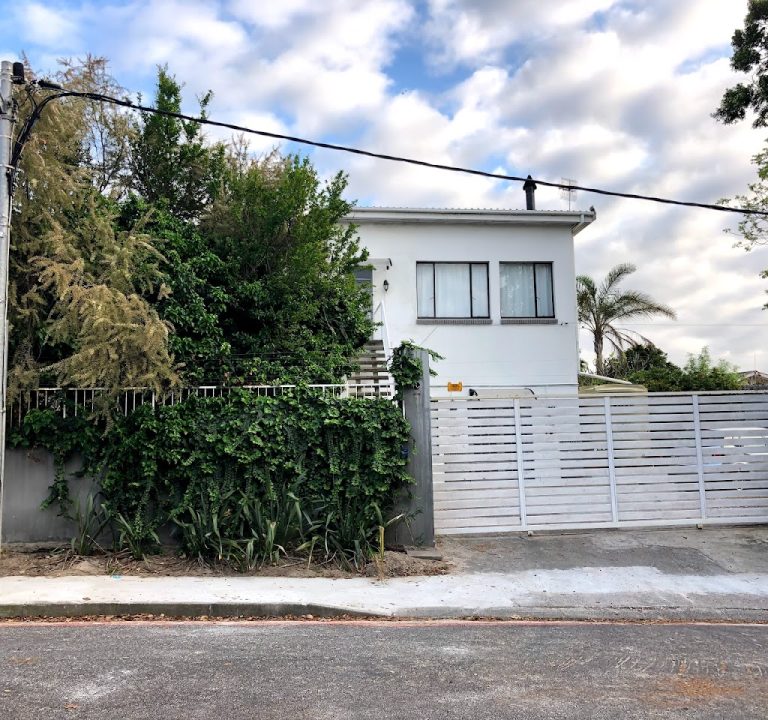
Areas to consider include the City Bowl and central business district for easy access to museums, markets and vibrant nightlife; the Atlantic Seaboard (including Sea Point, Bantry Bay and Camps Bay) for dramatic coastal scenery and sunset dining; and the Southern Suburbs (such as Claremont and Rondebosch) for a quieter, leafy atmosphere and convenient access to the Constantia Valley wine route. If you are visiting with family or prefer a more residential feel, stay options in Constantia or nearby suburbs can offer larger spaces, garden settings and a slower pace, while still being within reach of the city centre by road or public transport.
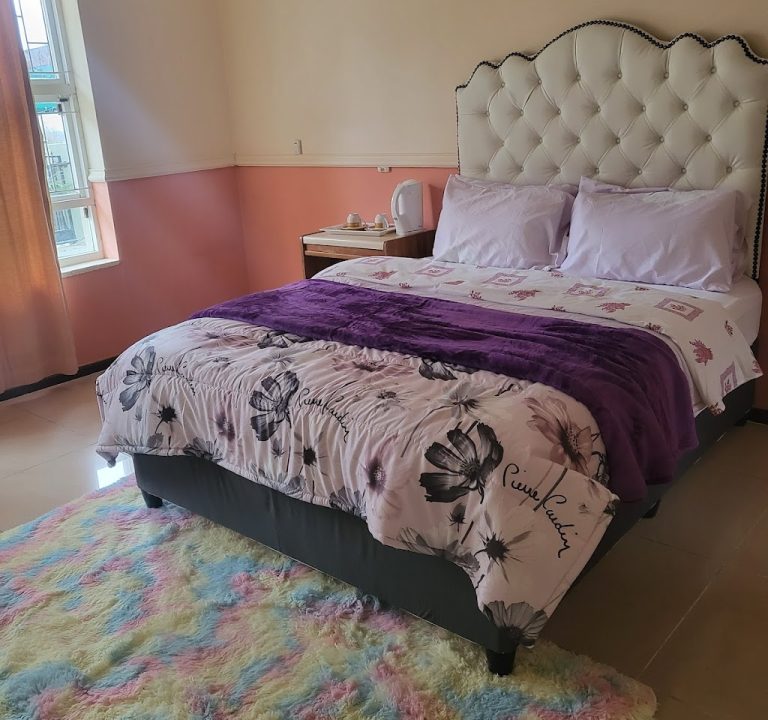
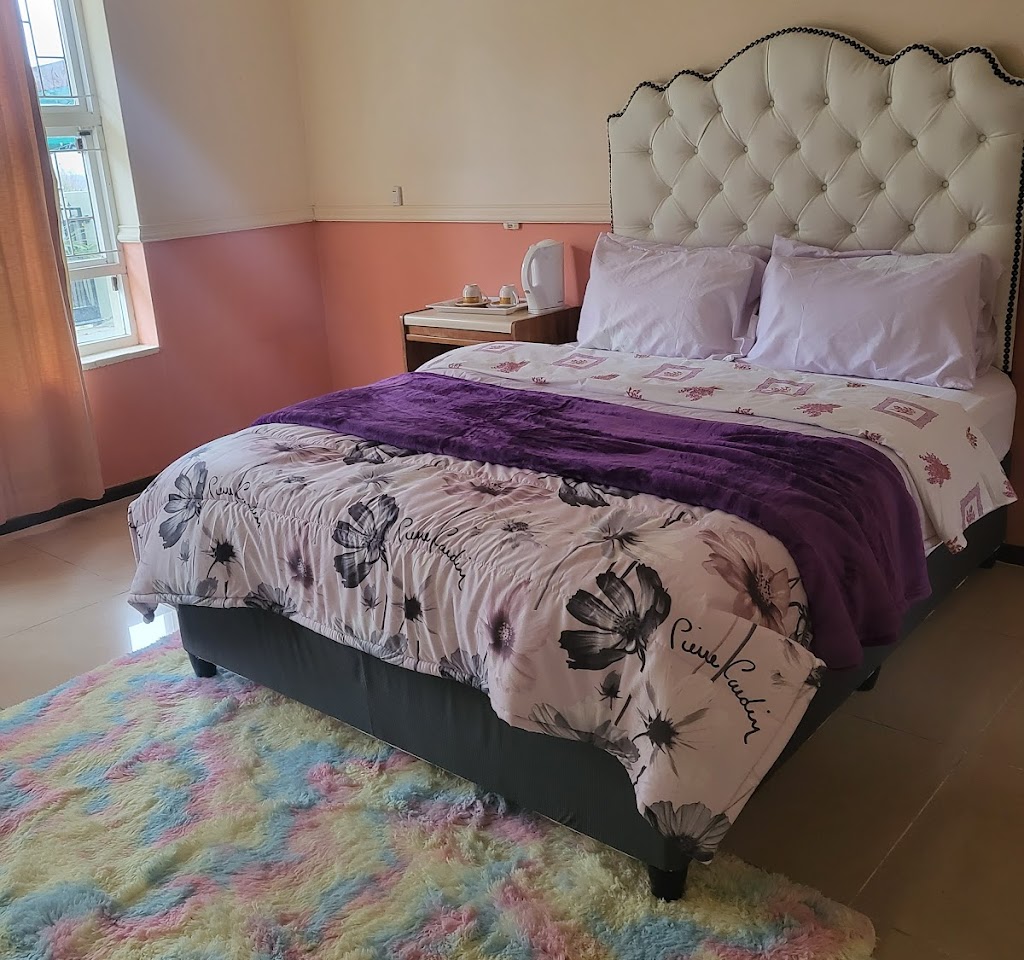
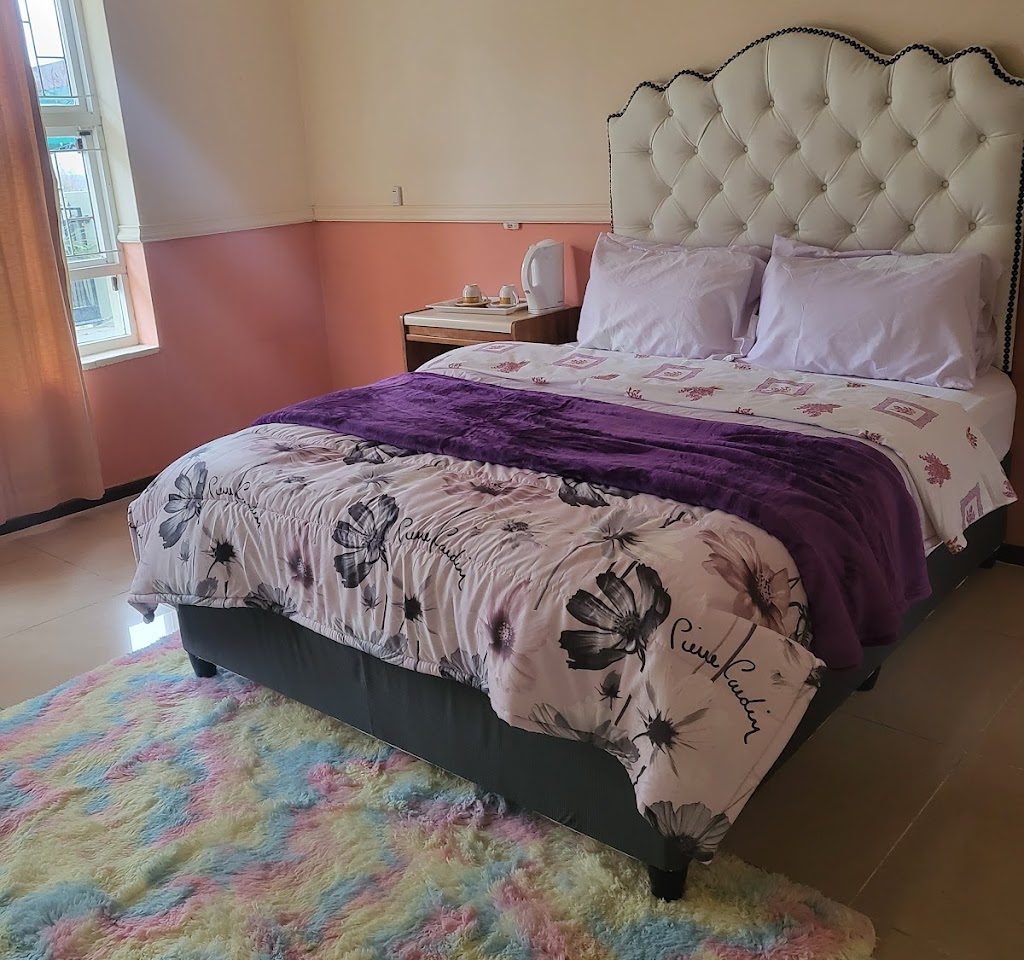
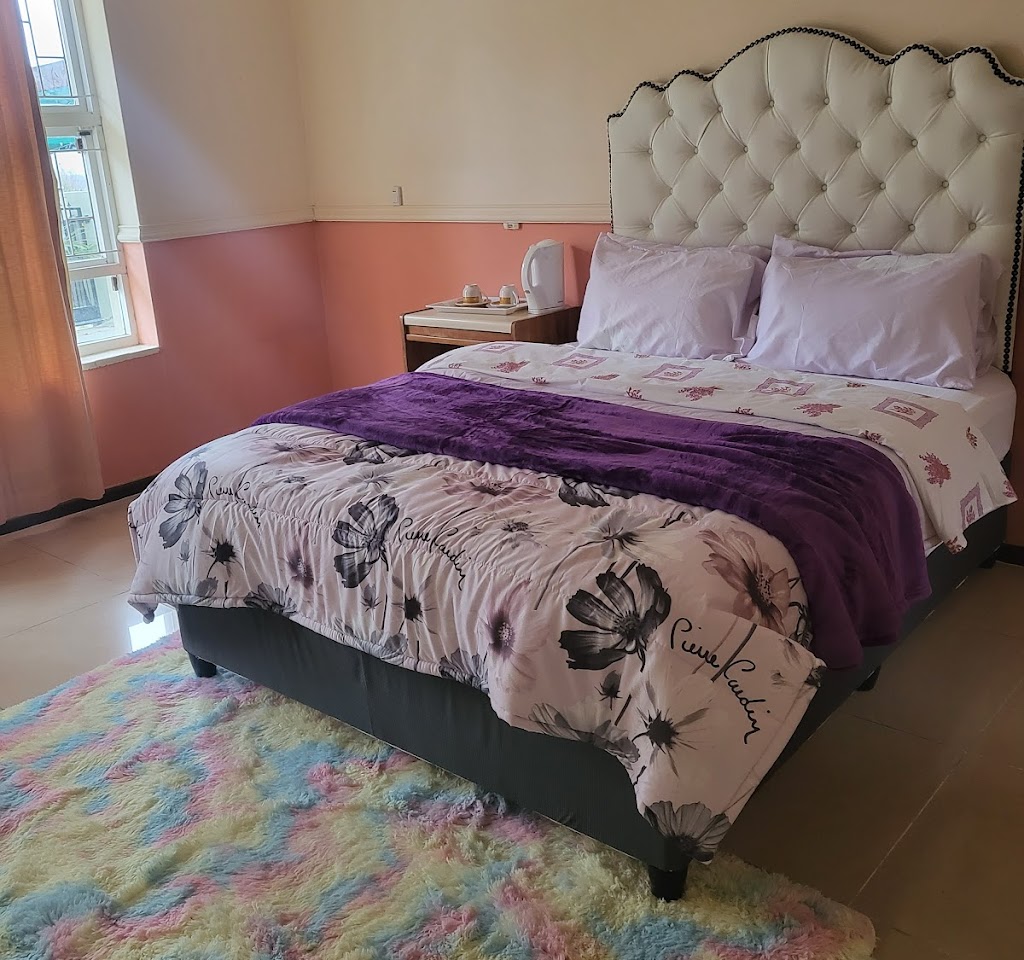
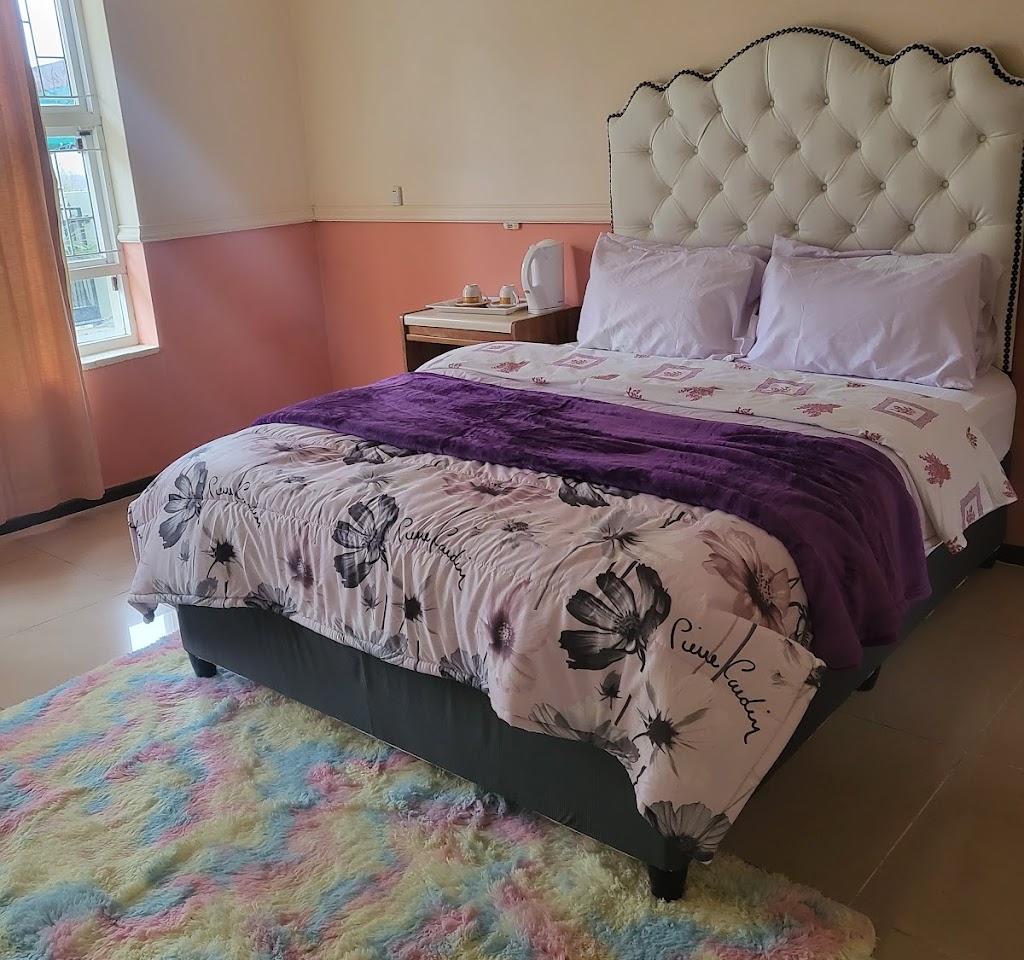
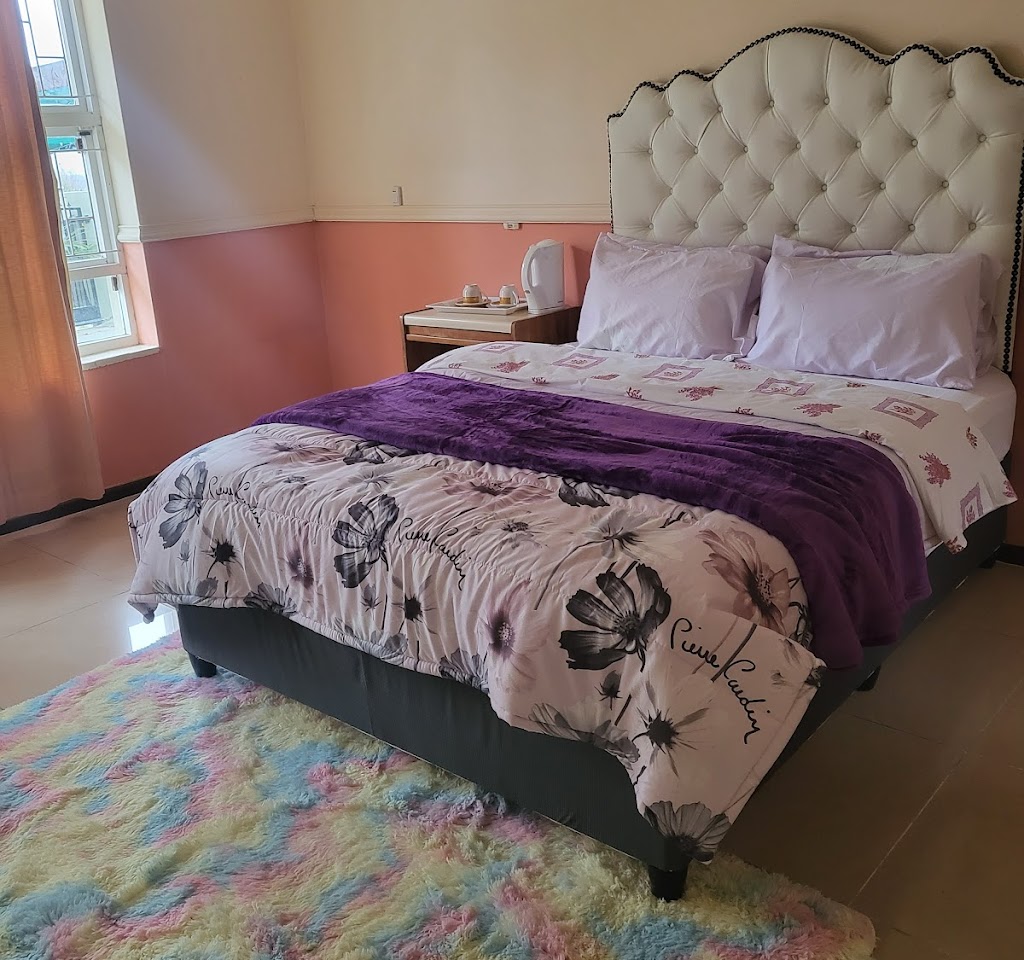
When choosing accommodation, look for the following typical features. Clean, well-maintained rooms with comfortable beds and good lighting are essential for a restful stay. En-suite bathrooms, climate control or reliable heating, and a pleasant communal area or verandah can make a big difference in a city stay. Check whether breakfast is included and whether there are options for lighter or dietary-specific meals. For longer stays, a kitchenette or self-catering facility is convenient. If you plan to explore using public transport, ask about easy access to Major bus routes or provision of parking for rentals or car hire, as parking rules vary by area.
Connectivity matters in Cape Town. Many establishments provide free Wi‑Fi, but signal strength can vary, especially in hillier areas or near the coastline. If you rely on streaming or online planning, a robust connection is worth prioritising. Accessibility for guests with mobility needs is another consideration; some guest houses offer single-level access, lift access, or ground-floor rooms, which can simplify day trips around the city and along the peninsula.
Transport in Cape Town is part of the experience. While Uber and other ride-hailing services operate in the city, many visitors also enjoy rental cars for flexible day trips to the Cape Peninsula, the Cape Winelands, or the historic towns just beyond the metropolis. If you intend to venture far, verify parking facilities, local driving conditions, and whether your chosen area has limited traffic zones or peak-hour restrictions. For those who prefer a smoother start, some guest houses arrange private transfers or provide helpful tips on routes and safe travel times.
Best time to visit Cape Town depends on your activities. Summer (December to February) offers long days, beach time and outdoor markets, but be prepared for busier hearts of the city and higher prices. Autumn (March to May) and spring (September to November) can deliver mild weather, blooming gardens and fewer crowds, with pleasant conditions for coastal walks and wine‑route tours. Winter (June to August) brings cooler, rainy spells but can still be enjoyable, particularly for indoor culture stops, great dining and museum visits. Always check local event calendars, as major festivals or market months can affect availability and pricing.
Practical planning tips for a smooth Cape Town stay:
- Book early in peak seasons and consider shoulder periods for better value and quieter streets.
- Read recent guest reviews for practical details such as noise levels, air-conditioning reliability, and convenience of breakfast or kitchen facilities.
- Ask about security practices, neighbourhood safety, and proximity to reliable transport or taxi options.
- Check the cancellation policy and any seasonal constraints, particularly around major holidays or events.
- Consider a mix of accommodation types during a single trip—perhaps a central base for city priorities and a quieter stay for rest and recharge.
- Pack appropriately for outdoor days but be prepared for microclimates; the Cape can be breezy and cooler near the water, even in warmer months.
- Respect local cultural etiquette and learn a few phrases or greetings to enhance interactions with hosts, restaurant staff and tour operators.
On the dining front, Cape Town’s hospitality scene ranges from casual cafes to elegant fine dining, with many venues embracing farm-to-table produce and robust seafood offerings. In the city you’ll find markets, waterfront eateries and neighbourhood bistros offering a mix of global flavours and local favourites. For planning meals, it’s worth reserving ahead for popular areas or weekends, especially along the Atlantic Seaboard and in areas with high restaurant densities. If you’re exploring beyond the city, the surrounding suburbs and winelands provide further opportunities to sample Cape cuisine, paired with South Africa’s wines, within picturesque settings.
Nearby attractions to consider framing your itinerary around include the iconic coastal scenery of the peninsula, sheltered bays, and scenic viewpoints; historic districts with local art and crafts; botanical gardens and nature reserves; and cultural institutions that illuminate Cape Town’s history and biodiversity. For easy planning, start with a broad map of your stay to identify your “home base” and plan day trips that suit your pace, avoiding overly ambitious schedules that leave little time for relaxation. A balanced approach—city highlights by day, then slower evenings with a coastal stroll or garden setting—tends to yield the most enjoyable experiences.
To help with inspiration and practical planning, you can explore official tourism resources and accommodation directories for Cape Town at reputable websites. These sources provide up-to-date information on neighbourhoods, transport options and suggested itineraries, helping you tailor a stay that matches your interests and pace. For more ideas on what Cape Town has to offer, you may wish to visit official travel portals and local guides via their websites.