Accommodation and Experiences in Cape Town: Planning a Stay in the Mother City
Cape Town offers a vibrant mix of stays, from intimate bed & breakfasts to stylish boutique hotels and family-friendly lodges. When planning a visit, consider the neighbourhoods that best match your interests, the pace you want, and how you’ll get around. An overnight in a well-situated base makes it easier to explore the city’s mix of natural landscapes, cultural heritage and dining scenes without long daily commutes.
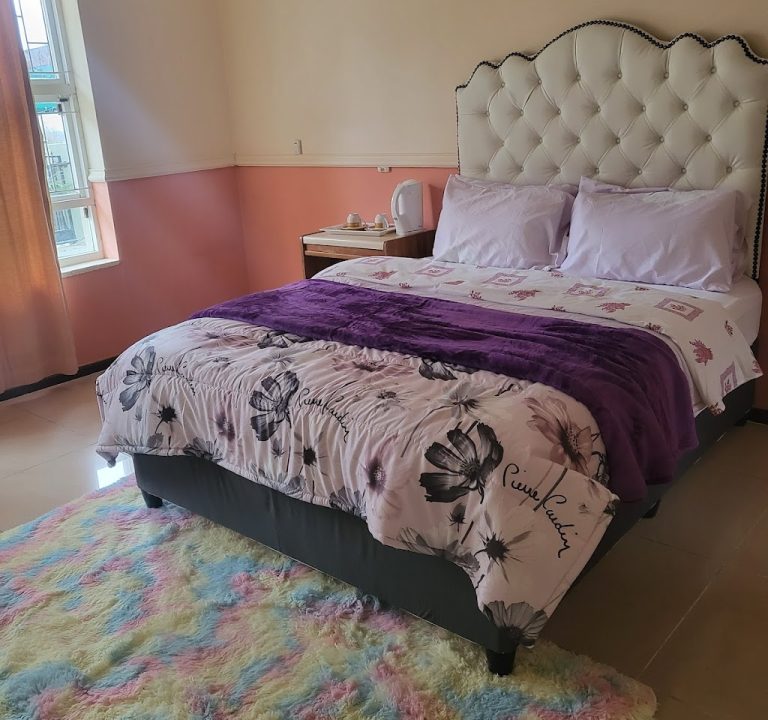
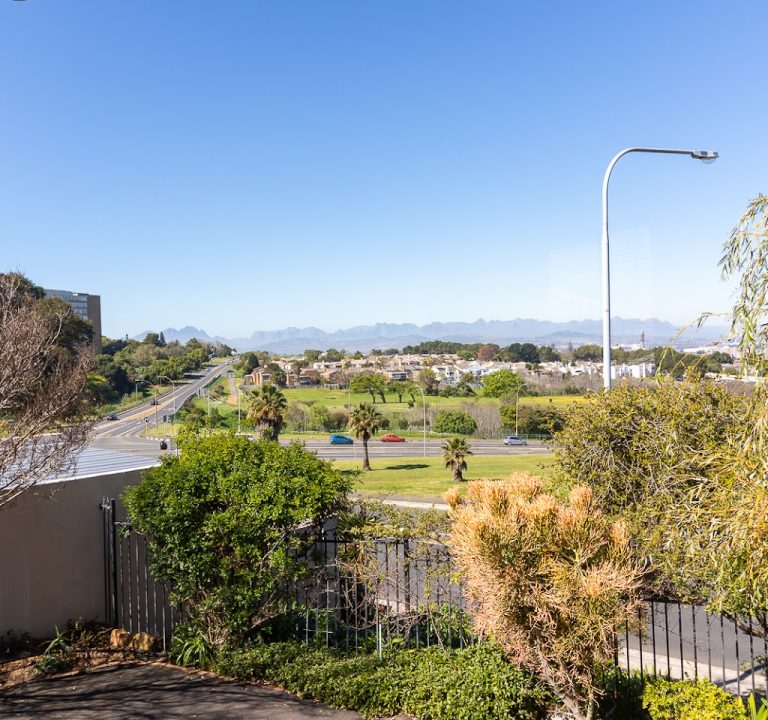
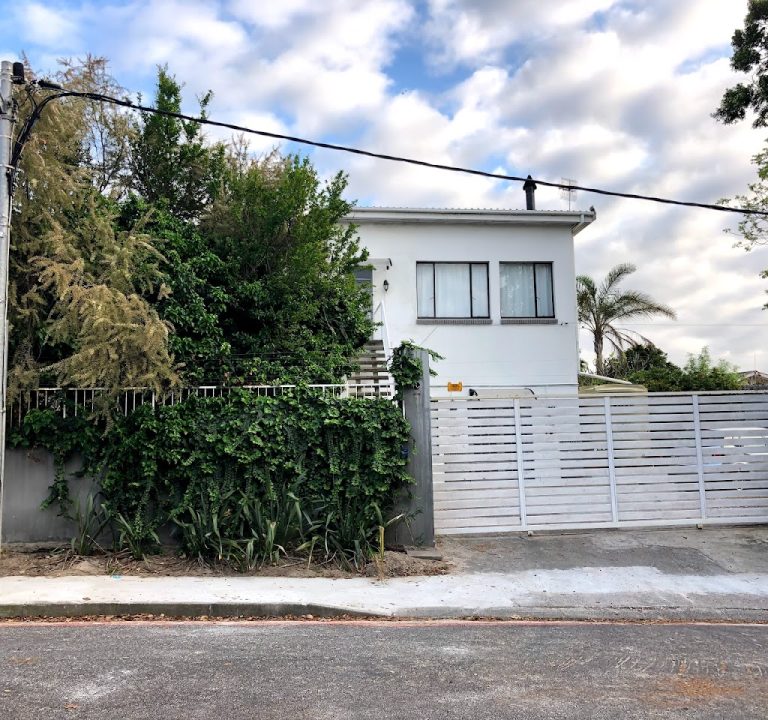
For a compact, intimate option, a city-centre B&B such as NiederHeim B&B (as an example of a well-located, comfortable base) can provide a personalised welcome, a convenient hub for exploring central Cape Town, and easy access to public transport or rideshares. In contrast, the Atlantic Seaboard offers sea views and postcard-worthy sunsets, with many guesthouses and small hotels near Camps Bay, Clifton and Sea Point. The Constantia Valley presents a tranquil escape among vineyards and green hills, ideal for travellers seeking a relaxed pace and day trips to the winelands. Each area has its own character and access routes to the city’s main sights.
What to look for when booking varies with your priorities. If you want quick access to the city’s museums, craft markets and business hubs, a base in the City Bowl or the central Foreshore can be practical. If you aim to combine beach days with sunset strolls and al fresco dining, the Atlantic Seaboard or nearby Green Point and Camps Bay are appealing. For scenery and outdoor adventures, consider Hout Bay or the Bo-Kaap’s historic streets bordering Signal Hill. Read property descriptions and guest reviews to understand how the space feels beyond glossy photos—check the size of rooms, presence of air conditioning or heating, noise levels, and the availability of on-site parking if you’ll be driving.
Typical amenities in Cape Town accommodation span comfortable bedding, complimentary Wi‑Fi, private or en-suite bathrooms, and a cooked-to-order or continental breakfast. Some properties offer extra touches such as a courtyard, pool, or rooftop terrace, which can be especially enjoyable after a day of sightseeing. If you rely on public transport or want to reduce trips, look for places near MyCiTi bus routes, rail links, or popular app-based transport options. A little extra space, a sun lounge, and a well-equipped kitchen or kitchenette can also make longer stays feel more homely.
Booking tips and practical planning ideas:
- Consider the distance to Table Mountain and cableway access if you plan to hike or take the tram, and check for pre-booked tours or permit requirements where necessary.
- Assess the neighbourhood’s safety, accessibility at night, and proximity to dining and markets. A walkable area with nearby cafés and small eateries can enhance your stay.
- Look at transport options: whether the property provides parking, and how easy it is to reach the V&A Waterfront, the Constantia wine route, or the Cape Winelands day trips by car or organised tour.
- Confirm breakfast arrangements, as this can influence daily planning, especially on busy sightseeing days. Some places offer self-catering facilities if you prefer early starts or late nights.
- Check for flexibility in cancellation policies and whether there are minimum-stay requirements during peak periods or major events.
When to visit Cape Town depends on your priorities. The southern African summer, roughly November through February, brings warm days and longer evenings, ideal for beach time and outdoor activities. Spring (September to November) and autumn (March to May) offer a balanced climate with generally pleasant conditions for hiking and city exploration. If you’re drawn to wildlife and vineyards, plan day trips to Constantia or nearby nature reserves. Winter, June to August, is cooler with a higher chance of rain, but the city’s indoor culture—museums, galleries, and culinary venues—remains lively and enjoyable.
Top attractions and experiences in general terms include the dramatic vantage points along the Atlantic Seaboard and the mountain backdrop that frames the city. Visitors commonly explore Table Mountain or take a cable car ride for sweeping views. The V&A Waterfront offers waterfront ambience, shops and cafés, while Robben Island evokes important chapters of the country’s history. Kirstenbosch National Botanical Garden is celebrated for its mountain backdrop and plant diversity, and nearby wine routes provide scenic day trips from the city into rolling countryside. Along the way, guided tours and self-guided itineraries help shape a balanced view of nature, heritage and modern Cape Town life.
Food lovers can expect a diverse culinary scene that ranges from contemporary South African cuisine to coastal seafood eateries and international fare. In residential or urban hubs, you’ll find markets, casual cafés, and fine-dining restaurants that suit various budgets and occasions. To plan well, reserve at popular spots during peak times and allow for leisurely meals as part of your daily rhythm—Cape Town’s dining culture is as much about the experience as the dishes themselves.
Practical travel notes: bring a lightweight layer for changing conditions, especially on Table Mountain’s breezy higher elevations; budget for a mix of self-catering and dining out; and keep a small phrasebook or digital guide handy for common local terms. A well-chosen stay in Cape Town can serve as a wonderful base for discovering the city’s rich mix of landscapes, heritage and hospitality, while offering convenient access to diverse experiences across the Western Cape.