Accommodation and Experiences in Johannesburg, Gauteng
Johannesburg, a vibrant gateway to South Africa’s culture and history, offers a wide range of places to stay for every traveller. From stylish guest houses in leafy neighbourhoods to modern hotels in bustling business districts, the city provides comfortable basing points to explore the metropolis and its surrounding attractions. When planning a stay, it helps to think about what you want to see, how you’ll move around, and the kind of atmosphere you prefer—urban buzz, easy access to museums, or a quieter residence with friendly, personalised service.
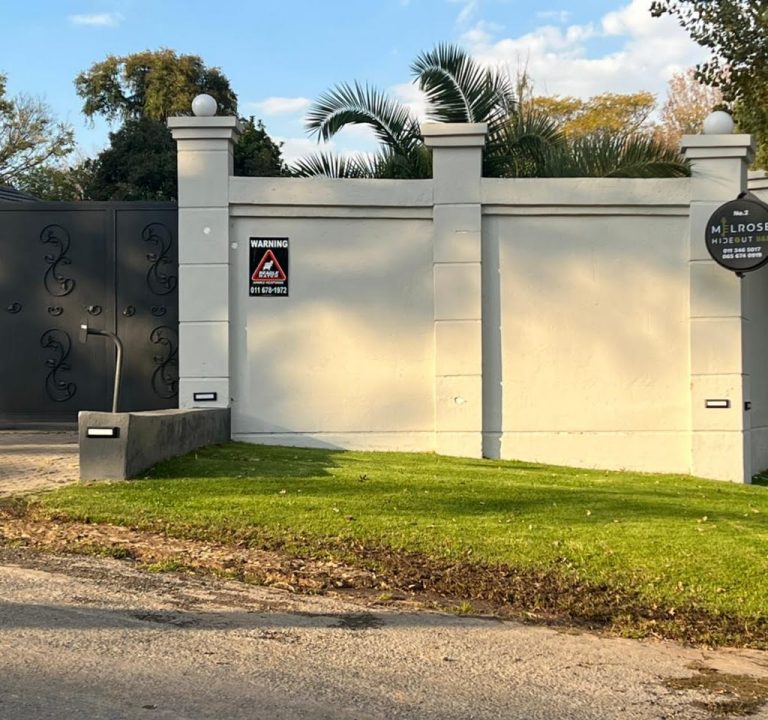
One compelling option for visitors seeking character and personal service is a guest house in well‑connected areas such as Melrose, Rosebank, or Melville. These venues often blend homely hospitality with convenient access to restaurants, shops, and public transport. A notable example in the broader Melrose area is a guest house that emphasises a welcoming, home‑from‑home feel while staying close to major routes and local experiences. When researching, look for hosts who can offer tailored tips on self‑guided walks, safe transport options, and nearby dining spots—handy for first‑time visitors to the city.
Areas to consider include:
- Rosebank and Melrose: Excellent for access to business districts, shopping precincts, and easy Gautrain connections to central Pretoria or the airport corridor. Ideal for travellers who value convenience and a walkable neighbourhood feel.
- Braamfontein and Maboneng: Energetic, artistic hubs with cultural venues, street art, and diverse eateries. Great if you enjoy urban exploration on foot, with plenty of dining choices nearby.
- Sandton: The gateway to luxury malls and corporate facilities, with a higher concentration of modern hotels and secure, well‑tided facilities.
- Melville: A bohemian quarter known for cafés, vintage shops, and a relaxed vibe, suitable for travellers who want a calmer centre while staying within reach of the city’s main sights.
Booking considerations matter for a comfortable stay. Look for rooms or suites that offer reliable private security, on‑site parking if you will hire a car, and dependable Wi‑Fi for planning daily itineraries or coordinating with fellow travellers. Practical amenities to prioritise include air‑conditioning or fans for Johannesburg’s warm days, well‑appointed en-suite bathrooms, and a good morning meal if you prefer a simple start to the day without dining out. A guest house with flexible breakfast options and guest lounge spaces can be particularly relaxing after long days of sightseeing.
Transport in Johannesburg is typically straightforward, but it pays to plan. The Gautrain is a fast, reliable rail link that helps travellers move quickly between the airport, Sandton, and central Pretoria, reducing the need for long road journeys. In the city, rideshare apps and traditional taxis are commonly used; many guest houses will assist with trusted local transport options or offer shuttle arrangements for popular day trips. If you rent a car, ensure the property has secure parking, and factor in peak‑hour traffic when planning restaurant reservations or museum visits. A central base with easy access to main routes can shave many minutes off travel time in this sprawling city.
The city’s attractions offer a broad spectrum of experiences without needing to venture far from most accommodation options. History buffs can explore museums and heritage sites that illuminate South Africa’s recent and more distant past, while design lovers and foodies will enjoy neighbourhoods where art, architecture, and dining converge. For families and curious travellers, day trips to nearby nature reserves or historical sites can be feasible as part of a longer weekend itinerary. When choosing a stay, consider proximity to a few must‑see sights, but also the ability to simply unwind at your base, especially after busy days of walking and exploring.
The best time to visit Johannesburg is during the drier months, roughly from late autumn through winter, when walking around is more comfortable and outdoor activities are feasible for longer periods. However, Johannesburg’s climate is temperate and pleasant most of the year, with late summer afternoons sometimes bringing thunderstorms. Plan for some indoor options on the hottest or wettest days—museums, galleries, and cafés offer enjoyable alternatives without compromising the overall experience.
Practical tips for a smooth stay include staying aware of your belongings in busy areas, using trusted transport options late at night, and keeping a small map or offline route plan handy. It's worth asking your host for recommendations on safe dining spots, nearby markets, and short, enjoyable walks that suit your pace. For a balanced itinerary, mix a couple of cultural visits with relaxed meals in neighbourhood eateries, and reserve one evening for a stroll through a lively precinct where street art and live music create a memorable atmosphere.
Useful planning resources include local tourism information and street‑level guides. For inspiration and up‑to‑date tips, you can visit official city tourism pages and nearby district guides linked from reputable travel sites. A well‑chosen stay in a guest house such as the Melrose area can offer a friendly base from which to discover Johannesburg’s multi‑faceted character, combining comfort, convenience, and a sense of place that helps you feel at home in the city.