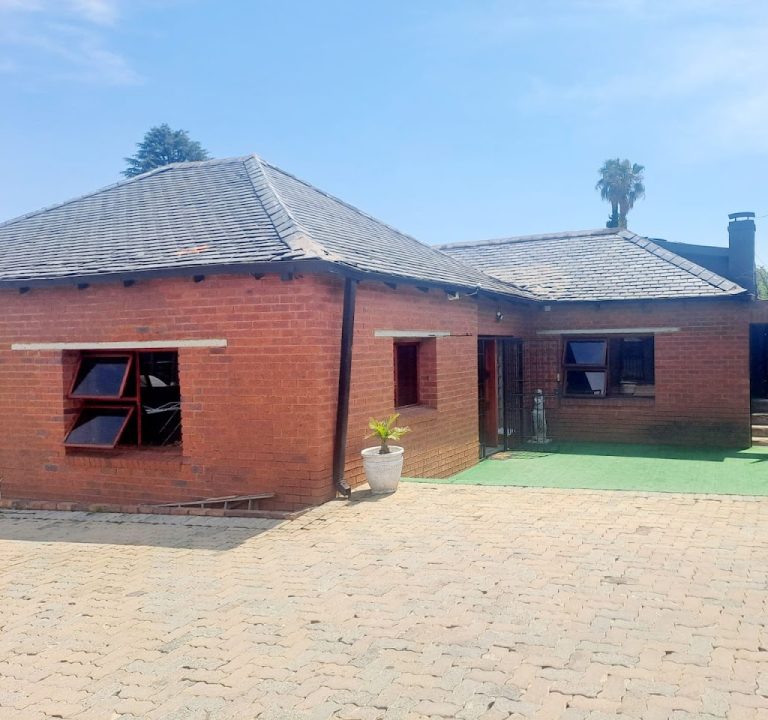
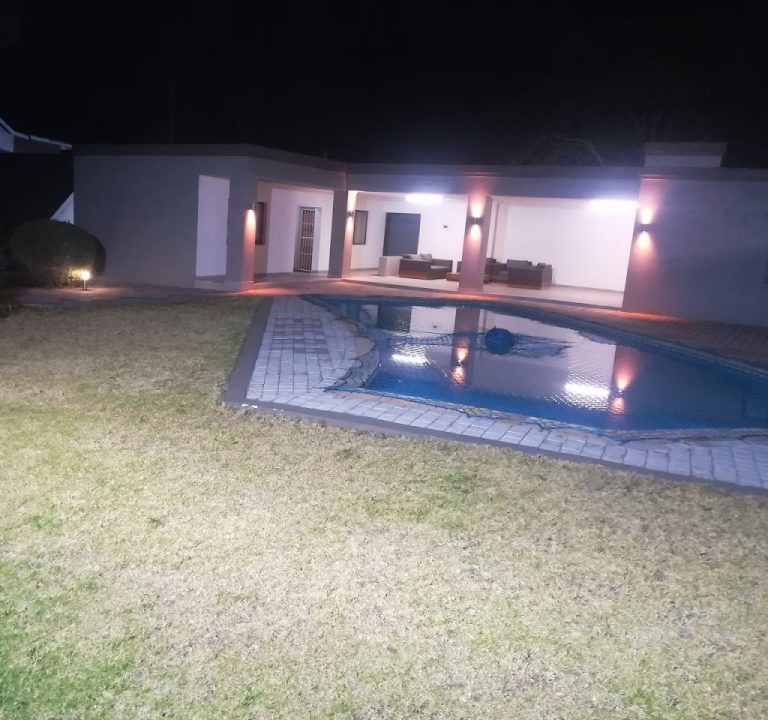
Accommodating Johannesburg: where to stay, what to expect and how to plan your visit
Johannesburg, or Jo’burg as many locals call it, is a sprawling city that blends cosmopolitan energy with rich history and vibrant neighbourhoods. When planning a stay, think about the pace you want, the experiences you seek, and how you’ll move between sights. A well-chosen base can dramatically reduce travel time and maximise your time enjoying the city rather than chasing transport.
Accommodation in Johannesburg ranges from contemporary hotels and boutique guesthouses to serviced apartments and longer-stay options. For a comfortable, centrally located base, you might look for properties in well-connected areas that offer easy access to major routes, reliable transport links, and nearby dining and cultural options. Many travellers favour hotels with on-site facilities such as a gym, secure parking, and a generous breakfast; however, guesthouses and boutique hotels can provide a warmer, more personalised experience that highlights local character.
Planning your stay around specific areas can help you tailor your programme. Here are some considerations to start with:
- City centre and business districts: convenient for meetings and access to corporate events, plus a concentration of bars, casual eateries and culture hubs.
- East and northern suburbs: often quieter at night, with leafy streets, shopping centres and easy access to motorway networks for day trips.
- Historically and culturally rich areas: strong for museums, galleries, and neighbourhood flavour, with plenty of dinner options and guided discoveries.
- Close to transport hubs: staying near major avenues, train stations, or bus routes can make day trips or airport transfers smoother.
When booking, look for a few practical amenities that can make a difference. A well-appointed room with comfortable bedding, reliable Wi‑Fi, good air conditioning or heating, and a practical workspace is essential for most travellers. A clean ensuite bathroom, adequate storage, and gentle security measures are important for peace of mind. On-site facilities such as a restaurant or coffee shop can save time on busy days, while a small gym or safe outdoor space adds value for longer stays. If you plan to explore beyond the city, check whether the property can arrange or recommend trusted transfer options or guided day trips.
Transport in Johannesburg can be varied. The taxi or rideshare network is commonly used, and several suburbs are well connected by major roads. If you prefer public transport, be aware that some routes may be less frequent outside peak times. For those who enjoy a more relaxed pace, choosing a location that situates you within a short stroll of cafés, markets, and green spaces can reduce the need for frequent car use. Always consider safety and secure parking if you are hiring a car.
The best time to visit Johannesburg generally aligns with mild weather and comfortable daylight hours. Spring (September to November) and autumn (March to May) offer pleasant temperatures, while winter (June to August) can be cool but clear, ideal for city-based sightseeing on dry days. Summer afternoons may bring showers or thunderstorms, so plan outdoor activities with flexible timing. If you intend to visit surrounding parks and nature reserves, mornings are often cooler and quieter, making it easier to explore at a relaxed pace.
Attractions and experiences in Johannesburg cover a range of interests. History enthusiasts often enjoy institutions and exhibits that reflect the city’s complex past, while families and food lovers may find vibrant markets, contemporary dining scenes, and artful street culture engaging. For a balanced itinerary, consider a mix of museums or galleries, a guided walk through diverse neighbourhoods, and a visit to urban parks or viewpoints that offer city panoramas. You might also plan a day trip to nearby natural areas or heritage sites, depending on your interests and time.
Dining and nightlife in Johannesburg are varied, from casual eateries serving traditional favourites to modern restaurants and stylish bars. When choosing where to eat, look for places that source ingredients locally, offer clear dietary information, and provide a relaxed environment for your itinerary. If you prefer a quiet start to the day, many hotels feature robust breakfast options, with continental and cooked choices. For evenings, you’ll find little gems around major districts offering regional flavours, international influences, and live entertainment or intimate settings for conversation.
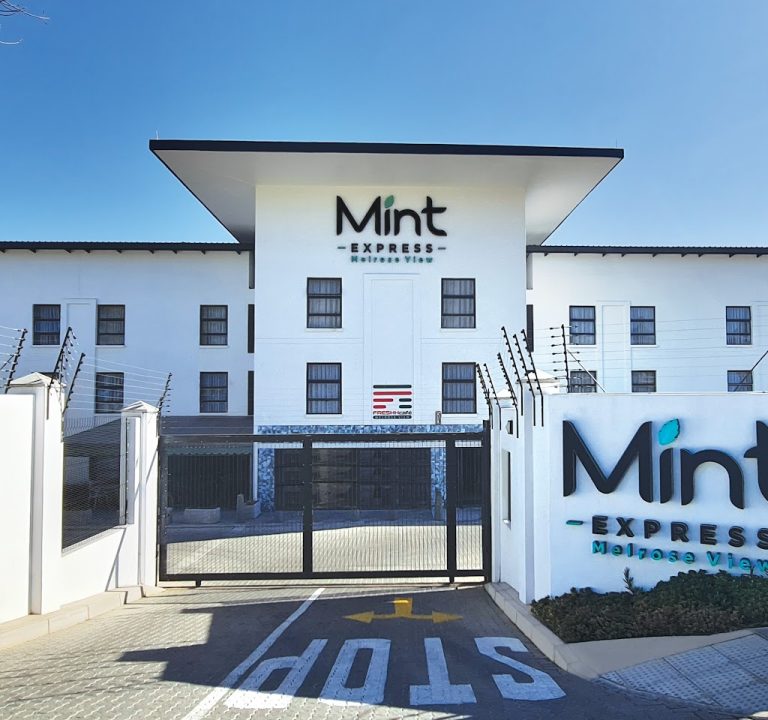
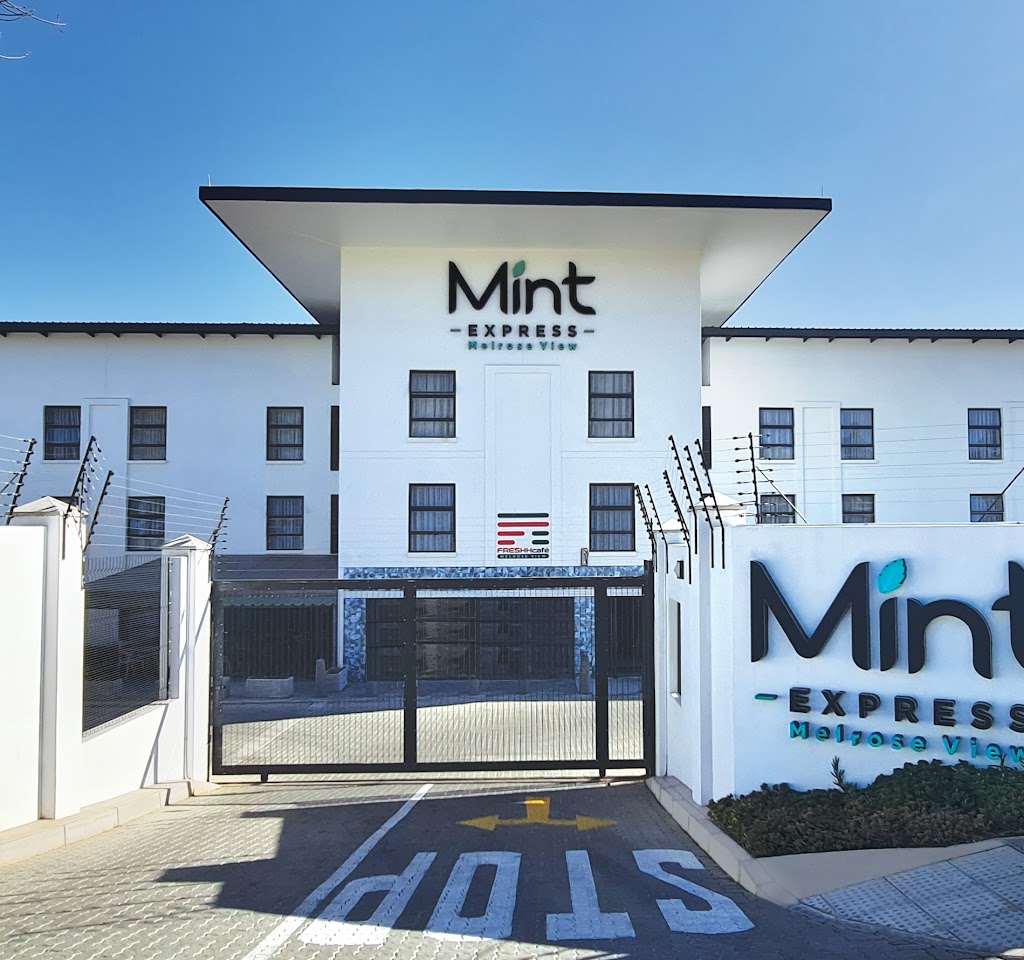
For a stay that reflects comfort and convenience, consider places such as Mint Express Melrose View, a property that combines practical amenities with a central position in Gauteng. You can explore its official site for details on room types, rates, and facilities, and plan your itinerary around the ease of access to both business districts and leisure zones. While planning, keep a flexible mindset: Johannesburg rewards curious travellers who blend scheduled visits with spontaneous discoveries in markets, cafés, and street-fronts.
To help you plan, here are practical tips, consolidated:
- Book with a clear cancellation policy and understand what is included in your rate (breakfast, parking, and daily housekeeping).
- Choose accommodation with secure access and reliable front desk support, especially if you arrive late or travel with family.
- Map out a rough daily plan that clusters sights by neighbourhood to minimise time spent commuting.
- Check transport options in advance and consider arranging airport transfers or trusted local guides where needed.
- Pack a light layer for cooler evenings and a compact umbrella for summer showers.