Exploring Johannesburg: Where to stay, what to see, and how to plan a great visit
Johannesburg, often simply called Jo’burg or Jozi, is a dynamic gateway to Gauteng with a mix of modern hotels, stylish apartments, and family-friendly guesthouses. When planning a stay, it helps to think in terms of neighbourhoods, accessibility, and pace. The city’s energy comes from its diverse districts, each offering different vibes—from leafy residential pockets to lively urban hubs. For a comfortable base, consider areas that balance safety, transit access, and character, while keeping in mind the nature of your trip—business, culture, food, or family time.
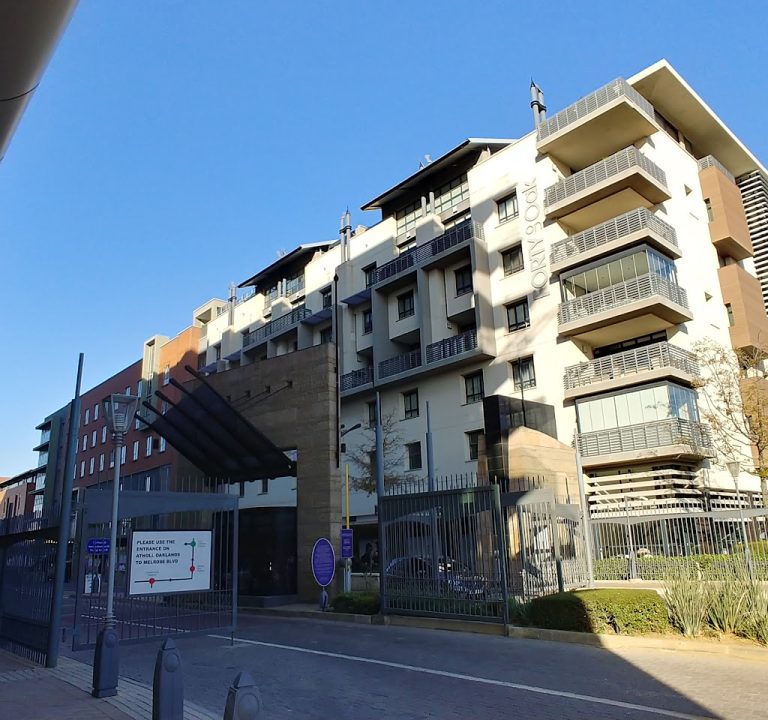
Accommodation options in Johannesburg range from serviced apartments and boutique B&Bs to mid-range hotels and luxury stays. A holiday apartment such as Apartment Old House Lane can be a convenient choice for longer visits or those who value space, kitchen facilities, and a home-from-home feel. When you book, look for essentials that make a stay easier: reliable Wi‑Fi, secure parking if you have a vehicle, a 24-hour reception or on-site staff, a well-equipped kitchen or kitchenette, and clear information about access to the building. If a pool, gym, or on-site restaurant is important, confirm availability in advance, as some properties offer these as seasonal or limited-time amenities.
Neighbourhoods worth considering include:
- Sandton and Morningside: Convenient for business travellers and shoppers, with excellent transport links and modern high-rise options.
- Rosebank and Melville: Trendy, with a mix of boutique stays, cafés, and easy access to Gautrain stations for day trips to the city or Sandton.
- Braamfontein and Newtown: Central, vibrant enclaves close to theatres, galleries, and a lively street-food scene, excellent for culture-seeking visitors.
- Johannesburg North and northern suburbs: Quieter streets, residential calm, and good value for families or longer stays.
Planning your itinerary around transport can save time and reduce stress. Johannesburg operates a large road network, and many visitors opt to rent a car for flexibility. For those preferring public transport, the Gautrain provides fast connections between Johannesburg and Pretoria, with convenient transfers to the city centre and Sandton precincts. Rea Vaya bus services and local taxis (or ride-hailing apps) offer practical options within the city; however, be mindful of peak-hour traffic and safety considerations when planning day trips.
When it comes to what to do, Johannesburg offers a mix of historical, cultural, and outdoor experiences. You can expect broad city views from elevated spots, engaging museums that explore the country’s history, and lively markets and eateries where you can sample regional flavours. For a balanced visit, pair a morning city stroll or a guided art walk with an afternoon spent in green spaces or a family-friendly attraction. If you enjoy galleries, heritage sites, and informative tours, you’ll find a range of options that suit different interests and energies. Keep in mind that some days may be best reserved for markets or neighbourhood explorations, while other days are ideal for longer museum visits or outdoor activities on cooler mornings or late afternoons.
Food and dining are an important part of the Jo’burg experience. The city’s culinary scene spans casual eateries, street food, and refined restaurants offering a spectrum of flavours, including traditional South African dishes, contemporary fusion, and international fare. When choosing places to eat, look for venues with a good mix of local ingredients, clear dietary information, and options for different budgets. Bookings are advisable for popular spots, especially at weekends or during events. If you prefer to cook, a well-equipped apartment can open up opportunities to explore fresh markets and plan theme evenings or braais (barbecues) with friends or colleagues.
Best time to visit Johannesburg is influenced by heat, rain, and seasonal events. The city experiences warm to hot summers with afternoon thunderstorms and cooler, drier winters. Spring and autumn are comfortable for outdoor exploration, while the festive end-of-year season can be lively but busier. If you’re aiming to balance outdoor time with indoor activities, plan morning experiences and leave the afternoons for rest or indoor tours when temperatures climb. Pack versatile clothing, comfortable walking shoes, and a light layer for fluctuating conditions, especially if you’ll spend time in shaded museums or air-conditioned venues.
Practical planning tips for a smooth stay:
- Check access and security features of your accommodation, including entry systems and safety measures in the neighbourhood.
- Confirm transport arrangements, especially if you’ll rely on taxis or ride-hailing services, and keep a map of nearby Gautrain stations if applicable.
- Ask about on-site parking or verified nearby options if you’re driving; some areas offer limited street parking with time restrictions.
- Review nearby eateries, markets, and essential services to reduce long daily treks—this helps if you’re staying in a busy district.
- Plan a balanced itinerary with a mix of cultural, historical, and outdoor activities to reduce fatigue and maximise enjoyment.
For further inspiration and practical planning, you can explore official tourism information about Gauteng and Johannesburg’s city pages. They provide up-to-date listings of attractions, dining districts, and neighbourhood guides to help you tailor your stay. Whether you’re seeking a stylish apartment base, a boutique guesthouse, or a family-friendly hotel, Johannesburg offers a varied backdrop for a memorable South African sojourn.
Website references and further information: Gauteng Tourism Authority, City of Johannesburg official site.