Staying in Johannesburg: where to stay, how to plan, and what to do
Johannesburg, or Jo’burg as it is affectionately known, blends urban energy with cultural depth, making it possible to base a memorable stay in a city that feels both cosmopolitan and grounded. When planning accommodation in Gauteng’s largest city, it helps to think about what you want from your trip: a quiet retreat after busy days, easy access to business districts, or a neighbourhood where you can wander, eat, and explore. The lodging landscape here ranges from stylish boutique stays to family-friendly guesthouses and well-equipped city lodges. For a sense of variety, you might consider sticking to a couple of core areas rather than moving every night, especially if you are balancing meetings, sights, and dining experiences.
Key areas to consider include:
- Sandton and Rosebank: the financial and shopping hubs with reliable transport links, modern hotels, and well-reviewed guesthouses, handy for business travellers or those seeking easy access to the Gautrain network.
- Braamfontein and the Maboneng Precinct: vibrant, artistic neighbourhoods with a mix of boutique hotels, guesthouses, and self-catering options, ideal for culture seekers and night-time eateries.
- Melville and Parkhurst: bohemian pockets with guesthouses and intimate lodges, popular for strolls, independent cafés, and relaxed dining.
- Johannesburg CBD and surrounding suburbs: practical for short stays and people who want to be within reach of museums, markets, and historic sites, with a range of lodgings from period houses to modern apartments.
- Fourways and suburban enclaves further north: good for families and those seeking larger properties with parking, pools, and easy access to family-friendly attractions.
When you book, consider what each property offers in terms of typical amenities. Look for reliable Wi‑Fi, a comfortable workspace if you are combining travel with remote work, and parking options—either on-site or safe street parking nearby. Breakfast is a frequent highlight in many guesthouses and lodges, with options ranging from continental spreads to more substantial, locally inspired offerings. If you are planning longer stays, a kitchenette or self-catering facilities can be a real boon. Security is also important in Johannesburg; look for properties with secure entrances, well-lit surroundings, and staff who understand local safety considerations. If you have mobility needs, check room layouts, elevator access, and proximity to ground-floor facilities.
For accommodation planning, transport is a practical consideration. The city is large, and while Uber and other ride-hailing services are widely used, proximity to the Gautrain network or to major arterials can shave travel time. If you prefer self-driving, ensure there is adequate parking. Many districts offer walkable streets with cafes and markets, but note that peak traffic times can be lengthy. Asking for guidance from your host or the reception about the best routes and the day’s anticipated traffic can save you time and stress.
Best time to visit Johannesburg depends on what you’re seeking. The city experiences a subtropical highland climate with a warm summer and a drier, cooler winter. December to February brings rain showers and lush greenery; March to May offers mild conditions ideal for sightseeing; June to August is cooler and dry, a good season for daytime exploring and theatre tastings; and September to November brings spring colours and pleasant days—great for outdoor venues and markets. If you plan long outdoor rambling or city walks, late spring and early autumn can be particularly comfortable.
Practical tips to help you make the most of your stay:
- Check the neighbourhood vibe in advance and request a room with good natural light if you value daylight for working or reading.
- Ask about security measures and access hours, especially if you are staying in a more urban area or near nightlife hubs.
- Consider a stay that combines a central base with day trips to nearby attractions and notable districts, rather than attempting to see everything from a single location.
- Plan dining options by area; Johannesburg’s culinary scene ranges from contemporary bistros to traditional Southern African eateries, often clustered around lively precincts and markets.
- Pack comfortable walking shoes and adapt to weather changes; diverse neighbourhoods can involve varied terrain from quiet streets to bustling markets.
- If you are visiting museums, galleries, or markets, check opening days and times in advance, as schedules can vary by season and location.
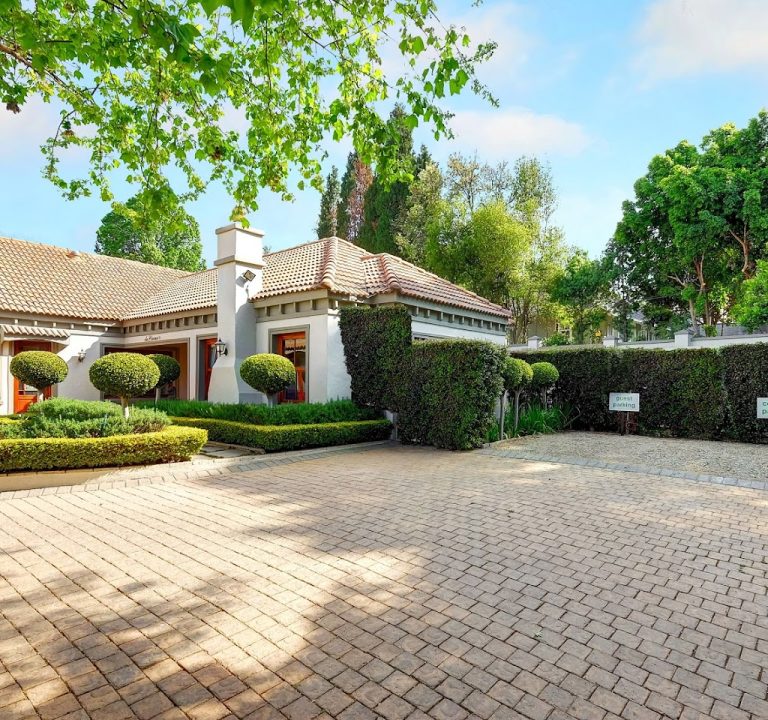
Accommodation examples in Jo’burg illustrate the range of options you might encounter. For instance, boutique lodgings in leafy northern suburbs can offer a distinctly local experience with personal touches—think well-appointed rooms, thoughtful décor, and a focus on guest comfort. A property such as Elton Hill Manor, located at 50 Copley Avenue, can typify the boutique lodging model: intimate, characterful surroundings, with an emphasis on hospitality and a restful base after a day of exploring the city. These kinds of stays often provide a warm welcome, convenient access to quiet residential streets, and easy routes to major sights, markets, and dining zones.
In terms of experiences, Johannesburg offers more than just a place to sleep. Visitors can expect a broad spectrum of activities and attractions that suit many interests, from museums and historic sites to lively markets and contemporary art districts. Whether you are seeking cultural insights, outdoor spaces, or vibrant dining scenes, Johannesburg’s accommodation landscape is well placed to support a well-rounded visit. Planning ahead, choosing a convenient base, and understanding transport options will help you enjoy a comfortable, practical, and enriching stay in this dynamic city.