Cape Town: Accommodation, Attractions and Local Experiences for a Memorable Stay
Cape Town sits on the southwestern edge of Africa, where dramatic mountains meet sparkling oceans. Planning a stay here means weighing location against pace, access and the kind of vibe you want from your visit. Whether you prefer a stylish boutique hotel with sea views, a cosy guesthouse tucked into a quiet neighbourhood, or a modern apartment in a lively district, there are options to suit every traveller and budget. The city’s diverse neighbourhoods each offer a distinct flavour, access to transport, and proximity to must‑see sights.
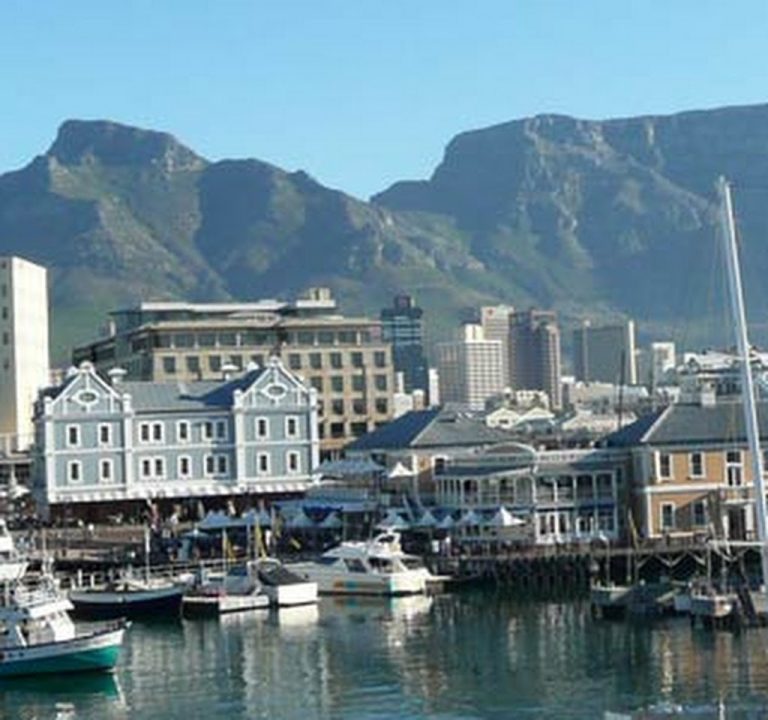
When choosing where to stay, consider the area’s character and transport links. The Atlantic Seaboard and Camps Bay offer dramatic coastlines and sunsets, with many luxury and boutique options close to beaches and with easy short drives to the city centre. The central City Bowl area provides a convenient base for exploring museums, theatres, and markets, while the V&A Waterfront delivers a blend of dining and entertainment in a pedestrian-friendly setting. For nature lovers and wine enthusiasts, Constantia and the Cape Winelands are within reach for day trips, while Green Point and the suburb of Gardens offer leafy streets, cafes and convenient transport connections. Think about how you will move around; while rideshare services and buses are widely available, a stay with easy access to MyCiTi bus routes or rail links can save time on longer days.
Typical accommodation styles you’ll encounter include:
- Boutique hotels: Often design-led, with personalised service and deliberate décor themes. They may offer on-site dining, small gyms or spa facilities, and a more intimate ambience than larger chains.
- Guesthouses and BnBs: Frequently located in residential streets with a homely feel, hearty breakfasts, and hosts who can share local tips and routes.
- Lodges and self‑catering apartments: Great for families or groups who prefer a little more space and flexibility, sometimes with kitchen facilities and lounge areas.
- Self-contained flats or cottages: Ideal for longer stays or travellers seeking privacy and kitchen access, often in upmarket neighbourhoods or near beaches.
What to look for when booking
- Location relative to activities you want to do: Table Mountain access, beaches, or the city’s cultural institutions all influence your daily plan.
- Transport options: Proximity to secure parking, Uber or rideshare availability, and public transport routes can affect convenience and safety.
- Amenities: Look for reliable Wi‑Fi, secure access, daily housekeeping, air conditioning or heating, and on-site meals if you prefer not to dine out for every meal.
- Safety features and neighbourhood character: Read guest reviews for insights on safety, quiet hours, and the friendliness of the area.
- Cancellation policies and flexibility: Given the variability of travel plans, choosing options with reasonable cancellation terms can provide peace of mind.
Best time to visit Cape Town depends on what you want from your trip. The summer months (December to February) bring warm days and lively coastal scenes, perfect for beaches and outdoor adventures. Autumn (March to May) and spring (September to November) offer milder weather and fewer crowds, with good conditions for hiking and winery visits. Winter (June to August) can be cooler and wetter, yet still offers cultural experiences, whale watching along the False Bay coast during certain months, and lower accommodation rates in some areas. Always check local weather patterns and planned events, as festivals and outdoor markets can enrich your stay.
Practical tips for planning and staying comfortable
- Pack for changeable conditions: Cape Town’s coastal climate can shift quickly, so layers and a light rain jacket are wise choices even in sunnier seasons.
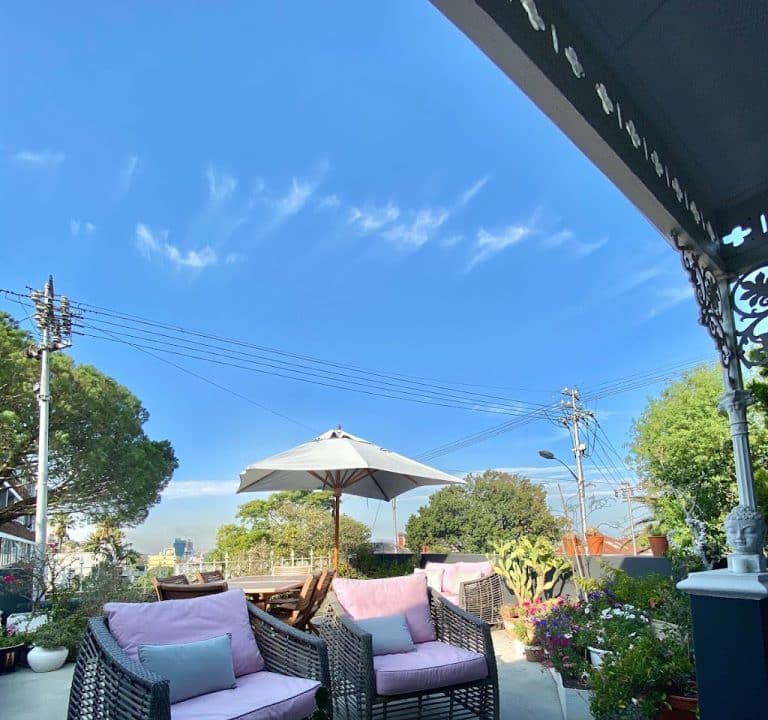
- Book a view or access where possible: Sea-facing rooms or rooms with terrace access can maximise your outdoor experience, particularly at sunrise or golden hour.
- Plan day trips with time in mind: The Drive along the Atlantic Seaboard, a visit to the Cape Peninsula and Kommetjie area, or a wine tour in Constantia are popular, but factor crowds and travel times into your plans.
- Dining and markets: The city’s culinary scene ranges from casual eateries to fine dining. Local markets and harbour-side venues provide opportunities to taste fresh produce, seafood and regional flavours, often with live music or entertainment nearby.
- Safety and personal items: While Cape Town is vibrant and welcoming, standard travel precautions apply. Keep wallets secure, avoid poorly lit areas late at night, and use reputable transport options for longer journeys.
A sample itinerary to consider, depending on your pace and interests, might include a full morning on a Table Mountain excursion (where weather permits), a beach afternoon along the Atlantic Seaboard, and an evening in a lively district with diverse dining options. If you enjoy gardens and wine, a day trip to Kirstenbosch National Botanical Garden followed by a tasting in the Constantia Valley can provide a wonderful balance of nature and relaxation. For culture and history, dedicate time to the city’s museums, galleries, and a guided harbour tour to learn more about maritime heritage and the region’s past.
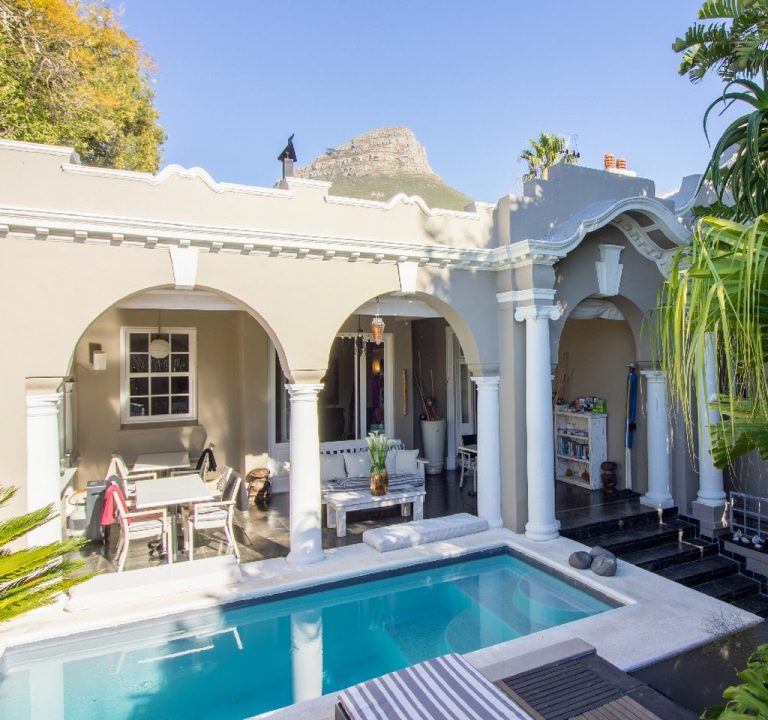
When planning accommodation, consider combining stays to experience different facets of Cape Town. A night or two in a boutique hotel with sea views can frame the trip beautifully, while a few nights in a well‑located guesthouse or self‑catering apartment can give you a sense of daily life in the city. For travellers seeking a serene base with easy access to vineyards and natural beauty, a stay in the Constantia Valley or nearby suburbs can offer a balanced itinerary with fewer crowds and abundant scenery.