Accommodation and Essentials for a Cape Town Stay: Where to base yourself, where to explore, and what to expect
Cape Town offers a diverse range of places to rest your head, from intimate guest houses to stylish boutique hotels and self-catering options. When planning a stay, think about accessibility to the sights you’re most keen to see, the vibe you want from your neighbourhood, and the convenience of transport links. Whether you favour the dramatic coastline, leafy suburbs, or the buzz of the city centre, there is an option to suit every itinerary and budget.
Areas to consider for a first-time visit include the City Bowl and the V&A Waterfront for easy harbour views and access to tours, the Atlantic Seaboard for coastal elegance and sunsets, and the Constantia Valley for a more laid‑back, wine-country feel just outside the city. Bo-Kaap and De Waterkant offer colourful streets and a lively dining scene, while Woodstock and Observatory present creative hubs with boutique guest houses and proximity to markets and cafés. For a family‑oriented stay, the southern suburbs around Kalk Bay and Muizenberg provide beach access and a slower pace. When selecting accommodation, think about morning light for photography, proximity to hop-on hop-off routes or MyCiTi bus stops, and whether you prefer a quiet residential street or closer proximity to nightlife and restaurants.
Typical amenities you can expect in well-regarded guest houses and boutique hotels include comfortable en‑suite rooms, attentive daily housekeeping, free Wi‑Fi, and breakfast options ranging from continental spreads to full cooked meals. Some properties offer luggage storage, secure parking, and thoughtful extras such as wifi hotspots, private balconies with views, or cosy lounges with fireplaces for cooler evenings. If you plan to work while away, a room with a dedicated desk and reliable connectivity is worth prioritising. For families or longer stays, many guest houses provide self‑catering facilities or kitchen access, making meals convenient without sacrificing a hotel-style service. Always confirm what is included for breakfast, whether there are 24‑hour reception services, and how housekeeping arrangements work on weekends or public holidays.
Transport is a key planning factor. Cape Town can be navigated by rental car if you prefer flexibility, or by public transport and ride‑hailing apps for a more relaxed approach. The MyCiTi bus network covers major routes around the city and along the Atlantic Seaboard, while Uber or local taxi services are convenient for evening outings. If you plan to visit the Cape Peninsula or the Winelands, consider arranging a day tour or private guide, which can provide insights into local history, geography, and wildlife that you might not glean from maps alone. Many guest houses are happy to assist with arranging airport transfers or recommending trusted drivers, subject to prior notice.
The best time to visit Cape Town varies by what you want from your trip. The city enjoys warm, dry summers from December to February, with long daylight hours and excellent conditions for outdoor pursuits. Spring and autumn (September to November and March to May) are pleasant, with milder temperatures and fewer crowds, making it ideal for hiking Table Mountain or visiting the cape’s coastal towns. Winters are cooler and wetter, but this can be a good time for a quieter experience and to explore museums, markets, and indoor attractions. Pack layers, including a light waterproof, as sea breezes can be unpredictable along the coast.
When planning activities, consider a mix of nature, culture, and cuisine. You might enjoy a cable car ride up to Table Mountain for panoramic views, a visit to the Kirstenbosch National Botanical Garden, or a day trip to the Cape Peninsula’s coastal scenery. Robben Island offers a profound historical perspective, while Boulders Beach provides a chance to see penguins in their natural habitat (seasonal access and guidelines apply). The winelands are an easy day trip from the city, with rolling vineyards, cellar doors, and gourmet dining on offer. For dining, Cape Town’s restaurant scene ranges from casual spots with harbour views to fine‑dining venues celebrating local produce. Many outlets highlight fresh seafood, game, and farm‑to‑table menus, with options to suit various dietary preferences.
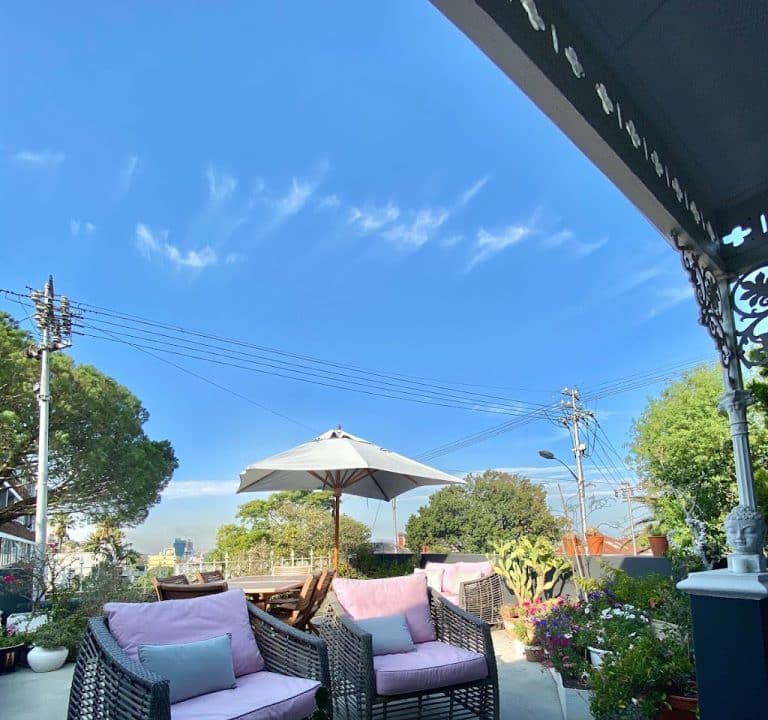
One highly regarded option for staying near the city yet with a boutique feel is Jardin D’Ebene Boutique Guest House, which blends intimate guest house charm with convenient access to Cape Town’s attractions. Visitors can explore the surrounding neighbourhoods and then return to a comfortable space that offers a personalised touch and a quiet base from which to plan daily excursions. For more information about this or similar properties, it is worth visiting the official site to view room types, rates, and location context.
Practical tips to maximise your stay:
- Read recent guest reviews to gauge current service levels and the reliability of Wi‑Fi and amenities.
- Ask your host or guest house in advance about breakfast service times, parking arrangements, and suitability for mobility needs.
- Check the area’s safety guidance and plan routes for evening outings, especially if you are travelling with children or luggage late at night.
- Pack suitable footwear for varied terrain—coastal paths can be uneven, and urban walking requires comfortable shoes.
In short, Cape Town rewards travellers who plan a balanced itinerary that blends comfortable rest with adventurous days. By selecting a well‑located base, understanding transport options, and layering your activities across nature, culture, and cuisine, you can enjoy a memorable stay in one of the world’s most captivating cities. For more information on a specific accommodation, visit the property’s official site, such as Jardin D’Ebene Boutique Guest House at http://www.jardindebene.co.za/.