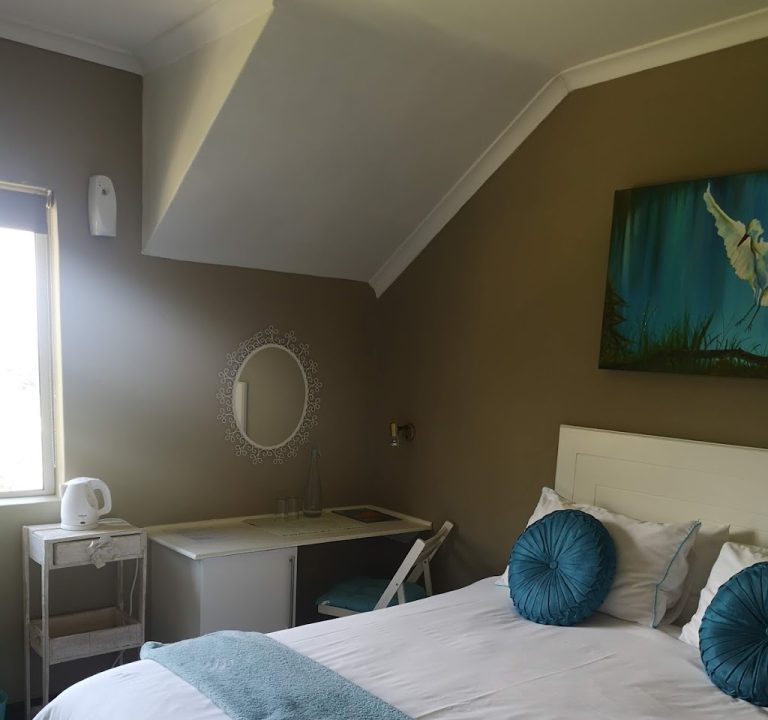
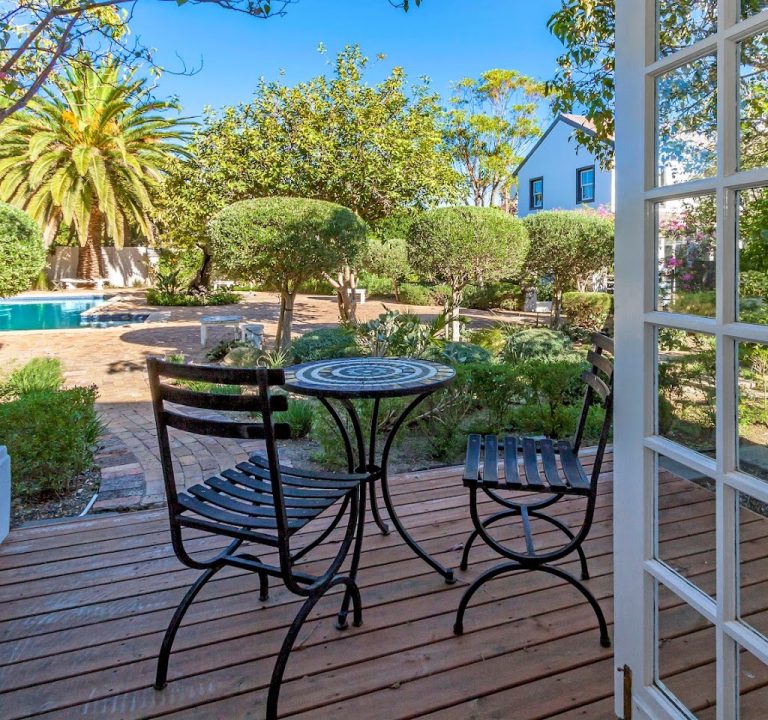
McLeod’s Cottage is a Hotels establishment in Cape Town, Western Cape, South Africa
About McLeod’s Cottage, Somerset West, Cape Town
McLeod’s Cottage is a pair of private, self‑catering units located in the tranquil enclave of Stuart’s Hill, just outside central Somerset West in the Western Cape. Described as upmarket and comfortable, the accommodation is presented as a relaxed retreat designed to suit a range of travellers seeking a home-from-home experience with the conveniences of modern self‑catering living. The property sits away from the main house, offering guests a sense of privacy and independence from the shared living spaces elsewhere on the grounds.
Each unit at McLeod’s Cottage is self-contained, ensuring guests have their own private entrance. This layout contributes to a peaceful stay, with easy come-and-go access for those exploring the Cape region or conducting business in the area. Secure parking is available on site, providing convenient and安心 parking arrangements for guests arriving by car. Outside, visitors can enjoy a garden setting and a dedicated space for children to play, making the property appealing to families as well as couples and business travellers who value a tranquil outdoor environment after a day of meetings or sightseeing.
The accommodation is described as sleeps‑up‑to‑four adults per unit, highlighting its suitability for small families, couples sharing a break, or colleagues travelling together for work. While detailed interior specifications are not exhaustively listed in the public profile, the emphasis is on comfortable self‑catering facilities and a practical layout that supports longer stays or shorter city breaks with ease. The focus remains on providing a homely atmosphere rather than formal hotel‑style amenities, aligning with the needs of travellers who appreciate flexibility and independence in a residential setting.
McLeod’s Cottage positions itself as a convenient base for travellers exploring the greater Cape Town area from a serene base just beyond the city’s bustle. Somerset West offers a gateway to nearby natural landscapes, wineries, and coastal experiences, with the cottage’s semi-rural feel providing a pleasant contrast to the urban pace of central Cape Town. The two private units ensure guests can select the level of privacy they desire while still benefiting from a shared, well‑maintained property environment.
Who the property is best suited for is clearly articulated through its design and facilities. Couples looking for a quiet, comfortable escape will find a private entrance and a garden setting conducive to downtime and leisure. Families with children can take advantage of the garden and play area while still enjoying the ease of a self‑catering layout. Business travellers may appreciate the self‑catering convenience for longer stays, with the added privacy of a separate entrance and on‑site parking. Overall, McLeod’s Cottage appears to be adaptable to a variety of travel plans, prioritising comfort, privacy, and practical self‑catering living.
Key features on offer include:
- Two private, self‑catering units with separate entrances
- Off‑the‑main‑house location in Stuart’s Hill, Somerset West
- Private entrance for each unit
- Secure on‑site parking
- Garden setting with a dedicated kids’ play area
Bookings are commonly managed through an online booking page linked from the property’s profile. The page referenced for reservations indicates an accessible booking channel (noting that the profile also provides contact details via social media and email). Potential guests are encouraged to check the listed booking link for availability, rates and terms, ensuring the latest information is consulted before planning travel. For those exploring the area, the location offers a balance of quiet residential living with proximity to the Western Cape’s renowned landscapes and attractions, while keeping travel logistics straightforward through clear self‑catering facilities and a self‑contained unit design.
Practical travel tips for visitors include checking the booking page early to secure preferred dates, especially for peak periods. Arrivals can be planned with the knowledge that secure parking is available on site, and that the private entrances provide direct access to each unit. Guests may also wish to set aside time to explore the surrounding Somerset West neighbourhood, which is known for a relaxed pace and easy access to the broader Cape Town region, including coastal drives, nature reserves and wine routes that characterise this part of the Western Cape. The cottage’s self‑catering approach makes it convenient to plan meals around daily itineraries, whether those involve vineyard tastings, coastal walks or family-friendly activities in nearby towns.
For further information and to explore booking options, potential guests can visit the property’s online presence through the corresponding booking channel linked from their profile. This allows travellers to compare dates, rates and policies, and to arrange a stay that aligns with individual travel plans and preferences.
Cape Town
Western Cape
7130
South Africa


Accommodation and Experiences in Cape Town and the Western Cape: Planning Your Stay
Cape Town and its surrounds offer a richly varied base for travellers, from stylish hotel rooms to self‑catering cottages perched on the foothills or along the coastline. When planning a stay in the Western Cape, consider both the convenience of location and the rhythm of daily life you’d like to enjoy. Whether you favour a quiet hillside retreat, a bustling city centre apartment, or a family-friendly guesthouse near the winelands, there are options that suit every itinerary and budget.
One convenient approach is to book accommodation that positions you for the day trips you have in mind. For example, staying in areas such as Somerset West or other neighbouring towns can cut travel time to the region’s stunning beaches, wine estates, and nature reserves while still offering easy access to Cape Town’s city sights. Self‑catering units, cottages and smaller guesthouses can provide a homely base with private entrances, parking, and outdoor spaces where you can unwind after a day of exploring. Properties like McLeod’s Cottage, for instance, demonstrate how two private units on the same site can offer flexibility for couples, families or business travellers, with separate entrances and garden access, while remaining close to regional attractions. If you’re considering a similar setup, check the listing for suitability regarding sleeping arrangements, kitchen facilities, and outdoor spaces. Website pages and appointment listings can give you a sense of what to expect before you book.
Areas to consider when selecting where to stay include city quarters near the V&A Waterfront and the central business district for walkability and dining variety; coastal suburbs for sea views and easy access to beaches; and the winelands belt for vineyard tours, scenic drives, and a slower pace. It’s worth mapping your daily routes so you don’t spend too much time in transit. Cape Town’s surrounding towns also offer excellent jumping‑off points for day trips to nature reserves, Cape Point, and coastal towns further afield. Be mindful of travel time estimates during peak traffic and plan some buffer moments for spontaneous stops along the way.
Typical amenities to look for when booking include reliable Wi‑Fi, on‑site parking, private entries if you value privacy, fully equipped kitchens or kitchenettes for self‑catering, and outdoor spaces such as gardens or verandas where you can enjoy the pleasant climate. Clean, well‑maintained bathrooms and comfortable bedding are essential, along with practical touches like meaningful storage, good lighting, and clear directions to local supermarkets, laundries, and essentials. A friendly host or responsive management team can make a real difference, offering local tips and helping you tailor day plans to weather and interests.
Transport in and around Cape Town can be most convenient with a car, especially if you want to explore outside the city centre at your own pace. There are also reliable rail links and limited bus services for certain routes, though in many cases a car gives you the greatest flexibility. If you’re not driving, check whether the property offers easy access to rideshare options, or if the location is well served by taxis and local transport. Proximity to beaches, viewpoints, markets, and dining spots can enhance your experience, so consider what you want to prioritise—city mornings, outdoor adventures, or wine‑lands excursions—and choose accommodation accordingly.
The best time to visit Cape Town depends on what you want from your trip. Summer (December to February) brings long days, ocean breezes, and outdoor dining opportunities, while autumn (March to May) and spring (September to November) offer mild weather and fewer crowds in many areas. Winter (June to August) remains a good time for indoor experiences and nearby escapes, though sea conditions may be cooler and some outdoor activities are more weather dependent. For wildlife tours, whale watching, and certain nature walks, shoulder seasons can be particularly rewarding, with good lighting for photography and pleasant temperatures for long day trips.
When planning activities, balance must‑do sights with leisure time. Cape Town’s regional attractions range from iconic viewpoints and beaches to art galleries, markets, and culinary experiences. In the surrounding Western Cape, wine estates, forests, and coastal towns provide a varied itinerary, where you can enjoy scenic drives, tastings, and relaxed meals with a sense of place. Even if you choose to remain primarily in one area, allow for at least one longer day to explore beyond the immediate neighbourhood, and keep a flexible plan for weather changes or last‑minute recommendations.
Practical tips for a smooth stay include booking early during peak seasons, reading guest reviews for real‑world insight into hosts, cleanliness, and service quality, and confirming cancellation policies. Pack adaptable clothing for layered wear, comfortable walking shoes, a lightweight waterproof, and a travel power adaptor. Bring a small daypack for sun protection, water, and snacks during excursions. Finally, when you’re ready to book, you can explore options and linked listings that provide further details and direct contact, such as official pages or social media profiles for particular properties.
- Consider staying in or near Somerset West or other regional towns to balance access to Cape Town’s sights with more tranquil surroundings.
- Prioritise accommodations with private entrances, parking, and reliable kitchen facilities if you plan to self‑cater.
- Plan a mix of city visits, coastal time, and countryside exploration to experience the full Western Cape.
For further inspiration and to view example properties, you can explore related listings and pages such as McLeod’s Cottage, which offers self‑catering units with private access and garden space. Helpful links to official pages or listings can guide your planning and enhance your stay in Cape Town and the Western Cape.
Sorry, no records were found. Please adjust your search criteria and try again.
Sorry, unable to load the Maps API.
Why Claim Your Listing?
Claiming your listing on the B&B Finder directory website is a valuable opportunity for business owners. Here are five reasons why you should consider claiming your listings:
Control Over Business Information: By claiming their listing, business owners can ensure that all the information presented is accurate and up-to-date. This includes details such as contact information, address, pricing, and available services or amenities. Accurate information helps prevent customer confusion and improves overall satisfaction.
Enhance the Listing: Once a listing is claimed, owners can enhance it by adding more comprehensive information and rich media, like high-quality photos and videos. These additions can make the listing more attractive and engaging to potential customers, thereby increasing the likelihood of bookings.
Marketing Opportunities: Claiming a listing can also open up additional marketing opportunities. Owners may be able to participate in promotional campaigns, special offers, and other marketing activities organized by the directory. This can increase visibility and attract more customers to the business.