Accommodation and Experiences in Cape Town: Planning a Memorable Stay
Cape Town, set between the Atlantic Ocean and Table Mountain, offers a diverse range of places to stay that can suit every budget and travel style. For many visitors, a guest house or boutique hotel provides a blend of personalised service, home comforts and easy access to the city’s most iconic sights. When planning a stay, consider which neighbourhood best aligns with your plans, how you’ll get around, and what you want to prioritise—nature, dining, culture, or a beachfront retreat.
Areas to consider include the City Bowl and central Cape Town for convenient access to markets, museums and restaurants, the vibrant V&A Waterfront precinct for harbour walks and cruises, Green Point and the Atlantic Seaboard for sea views and easy access to beaches, and Constantia or the False Bay coast for quieter streets, leafy hills and wine country day trips. If you’re seeking a quieter residential vibe with leafy streets and characterful guest houses, neighbourhoods like Stellendal, about a 15–20 minute drive from central sights and with a compact village feel, can be a good base. When selecting accommodation, look for a property that offers clear information about its neighbourhood, transport links and suggested day trips.
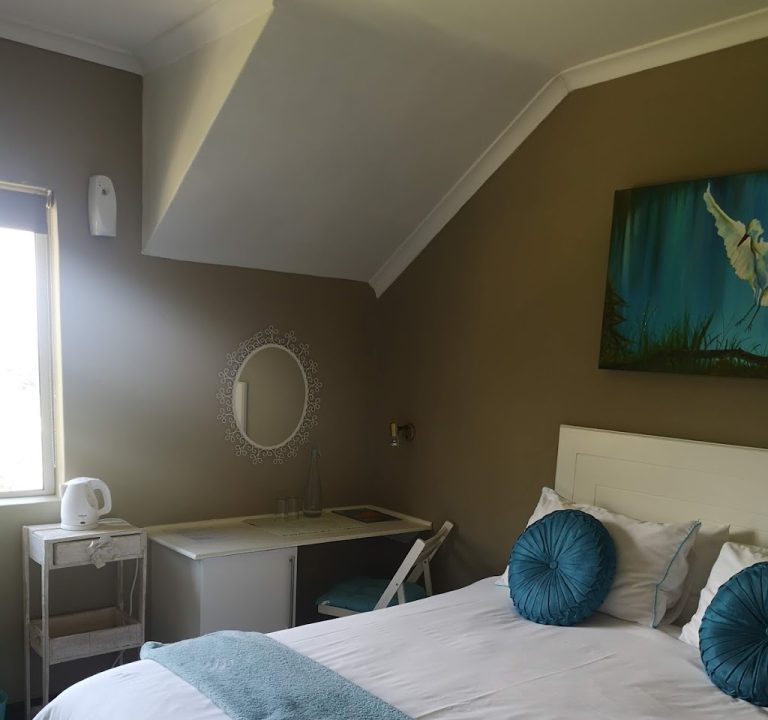
Staying in a guest house or a small boutique hotel often means doors open to a more intimate stay than a large chain. Typical amenities to expect include comfortable en-suite rooms, a communal lounge or dining area, reliable Wi‑Fi, secure parking, and often a breakfast option ranging from a light continental spread to a full cooked breakfast. Some properties may offer additional services such as guided city walks, sunset drives along the coast, or recommendations for local dining. For travellers seeking a flexible itinerary, several guest houses can arrange airport transfers, tours or private tastings, subject to availability and notice.
When booking, think about what matters most to you. Is proximity to your planned activities more important than a luxurious bath, or do you prefer a kitchen or kitchenette for self-catering days? Check room configurations if you’re travelling with family or colleagues—some guest houses offer suites or interconnected rooms. Consider the level of privacy you want, as some properties prioritise a more intimate, home-like environment with shared spaces, while others provide more corporate-style facilities. Clear information about check-in times, self-check-in options, and what breakfast includes can help you plan each day without disruption.
Transport in Cape Town is varied and convenient, though not all areas are equally served by public transport. The MyCiTi bus network covers many central routes and major tourist hubs, while Uber and local taxis remain popular for shorter trips. If you plan day trips to the Cape Peninsula, Stellenbosch or Constantia, you may wish to hire a car or arrange guided tours. Some guest houses offer shuttle services or partner with trusted tour operators, which can be a helpful way to explore with local knowledge. When selecting accommodation, ask about parking availability, access to major routes, and whether a host can assist with arranging transport or daylight excursions.
Best time to visit Cape Town depends on your priorities. The austral summer, roughly November to March, brings longer days, warmer seas and many outdoor activities. Autumn (March to May) can be pleasantly mild, while winter (June to August) is cooler and wetter, yet offers fewer crowds and a different ambience, with clearer views from the mountains on dry days. Spring brings blooming fynbos and pleasant hiking conditions. Always check seasonal weather patterns and wind, especially if you plan outdoor activities on the coast or a Cable Car ride up Table Mountain. If you’re visiting during peak season, booking well in advance is wise, particularly for popular neighbourhoods close to the city centre and the coast.
For those planning to explore the region beyond the city, Cape Town’s attractions range from natural wonders to cultural experiences. You might browse Table Mountain’s summit on a clear day, stroll along the V&A Waterfront, visit Kirstenbosch National Botanical Garden, or take a scenic drive along the Atlantic coast to view beaches and rugged cliffs. On the peninsular side, trips to the Cape of Good Hope or Boulders Beach with its penguin colony offer memorable day plans. Dining options span everything from casual beachfront eateries to refined restaurants that highlight West Coast and Cape Malay influences, with many venues offering fresh seafood, grilled meats and vibrant vegetable dishes. When planning meals, you’ll find a spectrum of options, and many places welcome advance bookings, with menus that emphasise seasonal, locally sourced ingredients.
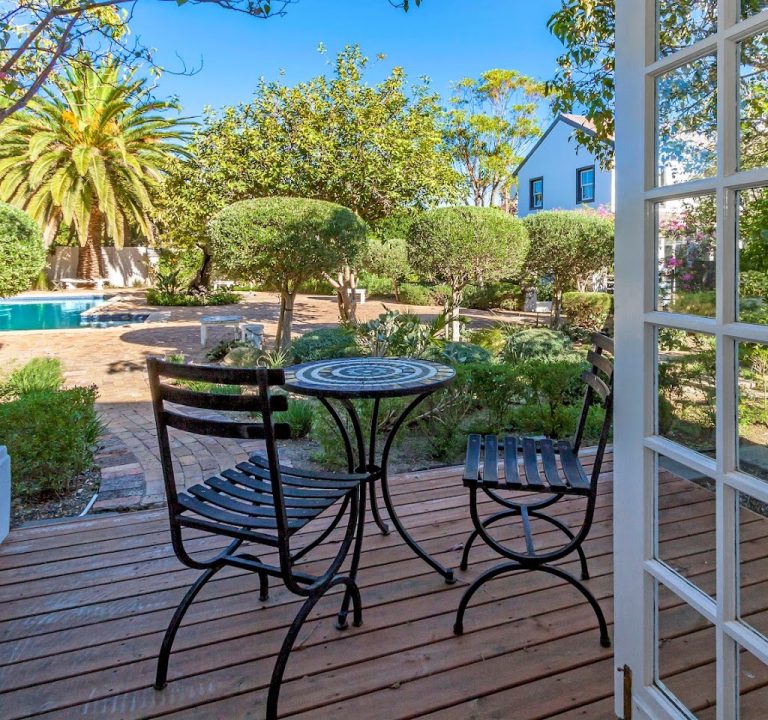
One example of a guest house that captures the region’s character is Stellendal Guest House. Located in a residential neighbourhood, it provides a quieter base while remaining within easy reach of central sights and the coast. It offers a warm, home-from-home atmosphere and can be a practical choice for travellers who value thoughtful hospitality and a comfortable base from which to explore. See more about Stellendal Guest House at their website: http://stellendal.co.za/
- Check location relative to your sightseeing plan and transport options
- Confirm breakfast and any included meals, plus available kitchen facilities
- Ask about parking, Wi‑Fi reliability, and privacy levels
- Inquire about tour assistance or guided day trips
- Understand cancellation policies and peak-season pricing
Ultimately, a well-chosen Cape Town stay combines a comfortable base with easy access to the city’s diverse experiences. Whether you’re wandering a historic precinct, tasting regional wines just outside the city, or simply soaking up sea views from a porch or terrace, thoughtful planning—paired with a welcoming guest house or boutique hotel—can help you make the most of every day in this dynamic corner of the Western Cape.