Staying in Cape Town: accommodation, areas to consider and planning tips
Cape Town offers a remarkably diverse mix of places to stay, from stylish city apartments with harbour views to leafy guesthouses tucked into the foothills of Constantia. When planning a visit, it helps to align your accommodation with the experiences you want to enjoy—whether you’re drawn to dramatic coastlines, buzzy urban life, or serene wine-country landscapes just beyond the city edges. A well-chosen base can reduce travel time, maximise your time on the coast, mountains or museums, and make it easier to explore what the Western Cape has to offer.
Areas to consider include the City Bowl for easy access to dining, nightlife and museums; the Atlantic Seaboard for iconic beaches and sunsets; and the Southern Suburbs, including Constantia and Hout Bay, for a quieter, more residential feel and wine routes nearby. The Cape Winelands, including areas such as Stellenbosch and Franschhoek, are also an excellent option if you want a few days of cellar-door tastings without losing the chance to return to Cape Town each evening. If you prefer a vibrant, compact neighbourhood feel, places around Green Point, Sea Point and Woodstock offer a mix of boutique hotels, guesthouses and modern self-catering flats near shops, markets and public transport.
When choosing where to stay, think about three practical factors: distance to the activities you want to do, access to reliable transport, and how much you value a particular ambience. Do you plan to spend long days on the beach, or will you be exploring Table Mountain, the V&A Waterfront, and the Company’s Garden by foot? Do you need a car, or will you rely on rideshare, Minibus Taxi routes, or a local transit network? Some guesthouses and boutique hotels are set up with shuttle services or on-site parking, which can simplify logistics in a city where parking can be challenging in peak season.
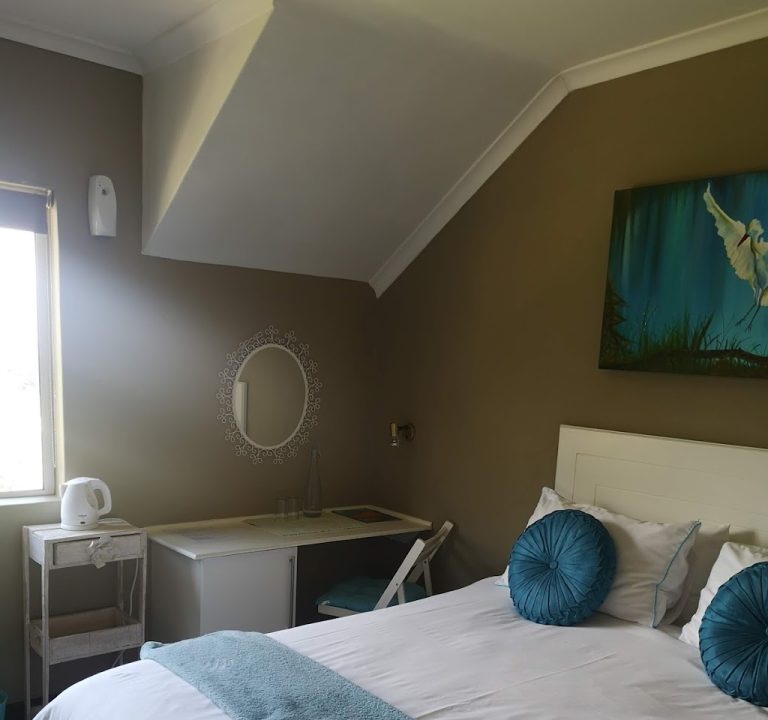
Typical amenities to look for include robust Wi-Fi, secure parking if you drive, a friendly concierge or reception service, and clear, transparent information about access to attractions and local transport. Rooms with en-suite bathrooms, good heating or air conditioning, and a small kitchenette or tea-and-coffee facilities are common in many guesthouses and boutique hotels. A helpful feature is a flexible breakfast offering or a self-catering option, particularly if you prefer to set your own schedule. For families, look for spacious rooms or interconnecting options and a safe, walkable neighbourhood for evening strolls.
Best time to visit Cape Town depends on what you want to do. The late spring to early autumn period (roughly November to March) brings warm days and long evenings, ideal for beach activities, outdoor markets and scenic hikes. Autumn (March to May) can be superb for outdoor pursuits with quieter streets and pleasant weather. Winter (June to August) is cooler and wetter, but it can be fantastic for whale watching along the coast and enjoying fewer crowds at major attractions. If you plan to visit the Cape Peninsula or the Winelands, check seasonal accessibility and weather patterns, as some trails can be best enjoyed in dry conditions.
To get around, a mix of self-drive and public transport works well. Cape Town’s road network is extensive but can be busy, particularly in peak season and around the city centre. If you don’t want to drive, many accommodation providers arrange airport transfers or offer recommendations for reputable taxi services and rideshares. The MyCiTi bus rapid transit system serves central areas and the northern suburbs, while the historic Rail Commuter system can link you to the Atlantic Seaboard and beyond, though schedules can vary. A practical approach is to plan day trips with one primary base, then use nearby hubs for shorter excursions to landmarks and beaches.
When planning an itinerary, balance nature-focused days with city exploration. In the city, you’ll find viewpoints, botanical gardens, and museums that illuminate Cape Town’s diverse heritage. On the coast, expect dramatic scenery and pristine beaches, with opportunities for coastal walks, penguin-spotting in appropriate seasons, and harbour-side dining. The winelands offer a complete day trip option with a scenic drive, historic towns, and cellar-door tastings, friendly for both couples and families seeking a relaxed pace.
Practical tips for a smoother stay include booking accommodation with clear cancellation policies and a transparent cleaning schedule, especially in peak times. Read guest reviews to gauge consistency in comfort and service, and consider contacting hosts or managers with any accessibility needs or specific preferences well in advance. For a first-time visit, a mid-range option in a well-connected area often provides a balanced base: comfortable rooms, good neighbourhood safety, and convenient access to major routes and attractions. If you enjoy a more intimate atmosphere, boutique guesthouses in and around the city offer personalised recommendations and a homely feel, while the larger hotels along the coast provide expansive facilities and a broader support network for excursions.
For further ideas on planning and ideas for places to stay, you can explore regional tourism information at official Cape Town and Western Cape tourism sites. A well-chosen base, clear planning, and a sensible mix of transport options will help you make the most of a memorable stay in Cape Town and the wider Western Cape. For inspiration and practicals, see the destination’s official resources and reputable accommodation providers online.
- Consider areas by priorities: beaches, city dining, or wine country access.
- Check transport options and parking availability at the property.
- Look for flexible booking terms and guest-focused amenities.