Exploring Cape Town: Where to stay, what to do, and how to plan a comfortable visit
Cape Town, perched between dramatic mountains and the Atlantic, offers a wide range of accommodation options to suit different budgets and tastes. From intimate bed & breakfasts to stylish boutique hotels and self-catering apartments, the city provides a gateway to iconic scenery, vibrant neighbourhoods and world‑class dining. When planning a stay, consider the area, transport links, amenities and how you like to spend your time, whether you seek sweeping sea views, easy access to the city centre, or a more relaxed hillside atmosphere in the winelands nearby.
Areas to consider include the historic and vibrant City Bowl, where proximity to cafes, bars and cultural sights makes it easy to explore on foot. The Atlantic Seaboard, with its dramatic coastline, offers stylish sea-facing stays and quick access to beaches and harbour viewpoints. Constantia and the nearby wine routes provide a tranquil escape with leafy streets, larger properties and easy day trips to Kirstenbosch Gardens. For maritime flavour and harbour activities, the V&A Waterfront area is convenient for walkers and families, while Camps Bay and Clifton offer glamorous beaches and cosmopolitan dining along the coast. If you prefer a quieter residential vibe with mountain access, neighbourhoods like Green Point, Oranjezicht or Kalk Bay can be excellent bases with a mix of guesthouses, boutique hotels and guest apartments.
When choosing accommodation, think about what matters most to you. Typical amenities you may encounter include generous breakfasts, free Wi‑Fi, private bathrooms, on-site parking, and comfortable lounge or communal spaces. For those who travel with a plan, a welcome tray of tea and coffee, quality bedding, and helpful staff recommendations can make a big difference. Safety features to look for include secure access, well‑lit entrances, and staff on duty at sensible hours. If you rely on a reliable power supply during load shedding seasons, check whether the property has a generator, inverter system, or backup lighting. A central, well‑stocked kitchen or common dining area can be a definite boon for longer stays.
Reading reviews can help you gauge value and suitability, but also consider the practicalities: how noisy the room might be, how easy it is to reach your chosen attractions, and whether the transport options suit your plans. Cape Town’s public transport includes the MyCiTi bus network for city routes and the scenic coastal roads for drives along the Atlantic coast. Ride-hailing apps are widely used, and car hire remains a flexible option for day trips to the Cape Peninsula, Constantia’s wineries, or the Cape Winelands. If you plan to self‑cater, assess how far the nearest supermarket is from your accommodation and whether there are convenient grocery delivery services in the area.
Best time to visit Cape Town depends on your priorities. The late spring and summer months (roughly November to March) bring warmer weather, making outdoor activities, beaches, and hiking particularly appealing. Autumn (April to May) offers cooler days and fewer crowds, while winter (June to August) can be wet and windy but often brings lower rates and fewer tourists. For wildlife and coastal scenery, plan a visit when the sea is calmer and the vistas are clear. Always check local event calendars—some music festivals or markets can enhance your stay, while others may affect traffic and accommodation availability.
Beyond the accommodation, Cape Town presents a wealth of experiences. Iconic natural landmarks such as Table Mountain provide easy hiking routes or a cable car ride for panoramic views. Robben Island offers a poignant historical perspective, accessible by ferry from the harbour. Kirstenbosch National Botanical Garden is renowned for its plants, trails and seasonal exhibitions. A day trip to the Cape Point area, with its dramatic headlands and wildlife, pairs well with a coastal drive along Chapman's Peak or the False Bay route. Within the city, the V&A Waterfront, colourful Bo-Kaap streets, and nearby markets showcase local crafts, foods and culture. For dining, visitors can sample a range of cuisines—from refined coastal menus to casual seafood shacks and contemporary South African eateries—without straying far from their base.
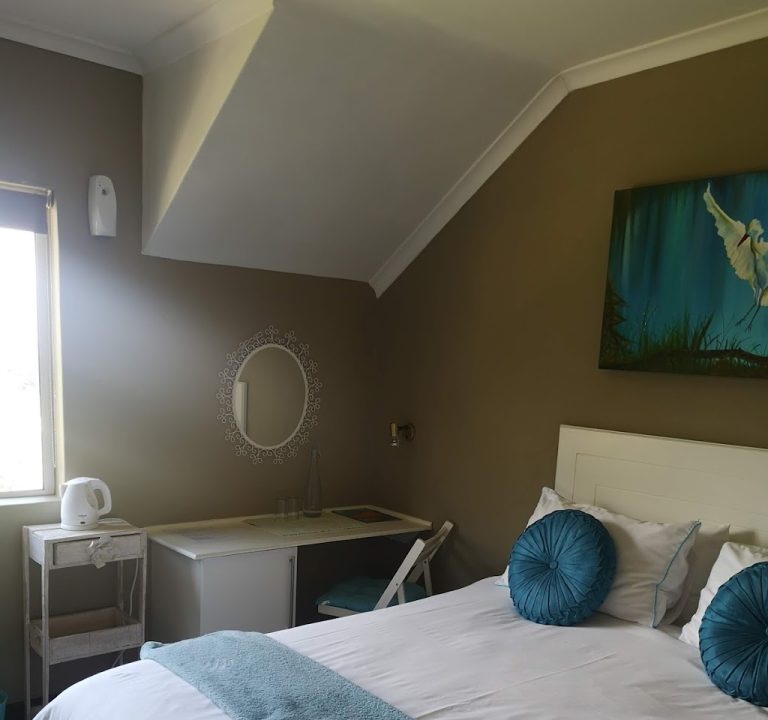
For accommodation exemplars with a personal touch, consider a stay at KaapsePracht, a bed & breakfast option offering a warm, local experience. You can explore their site to learn about room types, breakfast offerings, and accessibility features, as well as practical location details and nearby attractions. Visit their website at http://www.kaapsepracht.co.za/ for more information and to plan a stay that suits your rhythm and budget.
Practical planning tips
- Pack for mixed weather: coastal winds can be cooler than expected, even in warmer months.
- Book activities in advance if you have specific times in mind, especially for popular attractions or coastal drives.
- Check transport options relative to your base — proximity to MyCiTi routes or easy taxi access can save time during busy periods.
- Balance your itinerary with a mix of outdoor, cultural and culinary experiences to maximise enjoyment and pacing.
Whether you’re after a cosy base with a home-from-home feel, a sleek boutique stay with sea views, or a hillside retreat surrounded by vines, Cape Town is rich with accommodation that can tailor to your plans. With careful area selection, sensible transport planning, and a flexible approach to sightseeing and dining, you’ll be well placed to uncover both iconic sights and hidden corners of this extraordinary city.