Cape Town Accommodation and Experiences: Where to Stay and What to Do
From the iconic Table Mountain to pristine coastline and world‑class dining, Cape Town offers a wealth of accommodation choices that suit every traveller’s rhythm. When planning a stay, consider the neighbourhood as much as the property itself. The City Bowl and the V&A Waterfront are popular for easy access to sights and transport, while Atlantic Seaboard towns such as Camps Bay and Bantry Bay deliver sea views and a more relaxed pace. Constantia and Oranjezicht provide a quieter, leafy retreat with garden‑level stays and vineyard experiences nearby. For families or longer visits, self‑catering and guesthouse options in leafy suburbs can be ideal, offering the comfort of home alongside local hospitality.
Booking tips start with clarity on what you value most. If proximity to the city centre matters, look for properties within a short ride to the MyCiTi bus routes or close to railway stations. If you prefer ocean breezes, coastal areas with easy access to beaches and promenades are worth prioritising. For a truly Cape Town feel, seek places that offer a mix of character and convenience—such as period features, guest lounges, and well‑equipped kitchens or self‑catering facilities. Typical amenities to expect include free Wi‑Fi, secure parking or easy parking nearby, self‑catering or breakfast options, clean en‑suite bathrooms, and helpful local information from hosts or staff.
When staying in a B&B or guesthouse, hosts often provide insider tips on the best times to visit popular spots to avoid crowds, and may arrange guided walks or personalised itineraries. If you opt for a self‑catering property, check for a well‑appointed kitchen, a reliable Wi‑Fi connection for remote work if needed, and a comfortable living area. In all cases, a transparent cancellation policy and clear house rules save time and potential misunderstandings. For longer stays, inquire about laundry facilities, weekly cleaning, and the availability of a private outdoor space or balcony so you can enjoy Cape Town’s outdoors right from your doorstep.
Transport in Cape Town is versatile. The MyCiTi bus network covers the inner city and major tourist hubs, while Uber and metre taxis offer flexible door‑to‑door options. If you plan day trips to Cape Point, Cape Winelands, or Cape Town’s surrounding coastline, a hire car provides the most freedom, though many attractions run well with guided tours or organised day trips. If you’re staying near the Atlantic Seaboard, you’ll likely enjoy scenic drives along the coast, with safe bicycle lanes and convenient access to beaches and cafés. Remember to factor in peak traffic times, particularly during school holidays and weekends.
Best time to visit Cape Town is shaped by weather, wind, and the city’s events calendar. Spring (September to November) and autumn (March to May) offer milder temperatures and lower wind levels, ideal for outdoor exploration and city walking tours. Summer (December to February) brings longer daylight hours and lively waterfront dining, while winter (June to August) is quieter in some areas and cooler, requiring a warm layer for hill walks and outdoor viewpoints. Water‑oriented activities such as beaches and shark‑watch opportunities are weather‑dependent, so plan flexible days if your itinerary includes marine adventures.
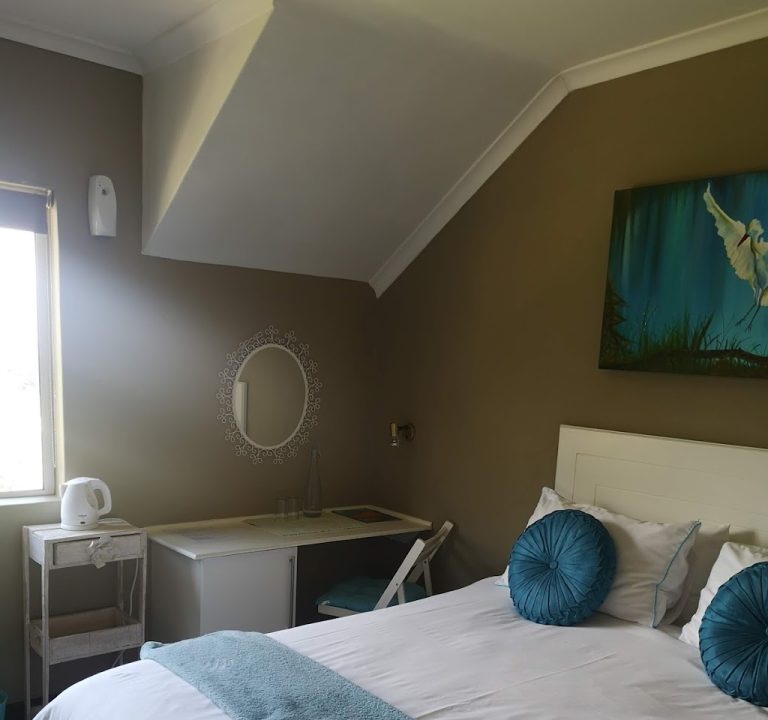
Accommodations in Cape Town span boutique B&Bs, guesthouses, stylish boutique hotels, and spacious self‑catering options. A typical property in a good location will feature comfortable bedrooms with private or shared bathrooms, a communal lounge or patio, and access to local information from hosts. Breakfast offerings vary—from continental to generous home‑cooked spreads—while some self‑catering stays provide fully equipped kitchens, dining spaces, and outdoor seating. If accessibility is a priority, filter for ground‑floor rooms or buildings with lift access and clear signage. Pets and family‑friendly options are increasingly available, but it’s best to confirm before booking during peak seasons.
To help with planning, here is a concise checklist for choosing where to stay:
- Proximity to the attractions you’ll visit most (Table Mountain base, waterfront, beaches, or vineyards).
- Accessibility to public transport or parking availability if you’re driving.
- Quality of bed, bathroom, and cleanliness standards, plus reliable Wi‑Fi.
- Inclusion of breakfast or self‑catering facilities and kitchen equipment.
- Clear cancellation policy and responsive host or management team.
Beyond sleeps, Cape Town’s attractions and experiences are as varied as the landscape. Natural highlights include easy summit walks or cable car rides up Table Mountain, the booming coastal scenery along the Atlantic Seaboard, and the tranquil botanical paths at Kirstenbosch. Cultural experiences range from museum and gallery sessions to local markets and street food strolls that showcase South Africa’s diverse culinary offerings. Dining opportunities are broad, from casual eateries along the waterfront to more refined venues offering seasonal ingredients and regional flavours. For a well‑rounded visit, plan a mix of outdoors, culture, and gastronomy, ensuring you reserve some leisure time for a stroll through colourful neighbourhoods and scenic viewpoints.
When you arrive, allow some time to settle in, review local maps or digital guides provided by your host, and map a couple of “anchor days” around major sights. Cape Town rewards a steady pace: a day for the peninsula’s viewpoints and Cape Point, a quieter day in a Constantia or Constantia Valley setting with a vineyard visit, and a final evening to soak up sunset colours from a coastal vantage point. With a thoughtful approach to where you stay, how you move, and what you sample, your Cape Town visit can be as vibrant or as restorative as you wish.