Accommodating Cape Town: where to stay and how to plan your visit
Cape Town blends cosmopolitan appeal with dramatic natural scenery, making it a destination where the right place to stay can elevate every day of your trip. When choosing accommodation, think about how you want to experience the city: coastal views, quiet neighbourhoods, easy access to famous sights, or a lively cultural scene. From guesthouses in leafy suburbs to stylish hotels along the Atlantic Seaboard, there is something to suit every budget and style.
Popular areas to consider include the City Bowl for proximity to museums, markets and nightlife; the Atlantic Seaboard for beaches and sea-facing terraces; Constantia for vineyards and a tranquil escape; and the Southern Suburbs for a more relaxed, residential atmosphere with quick routes to Kirstenbosch and the Constantia valley. If you plan day trips to the Cape Peninsula or the Cape Winelands, staying near a major route or a well-connected transport hub can save time and fatigue.
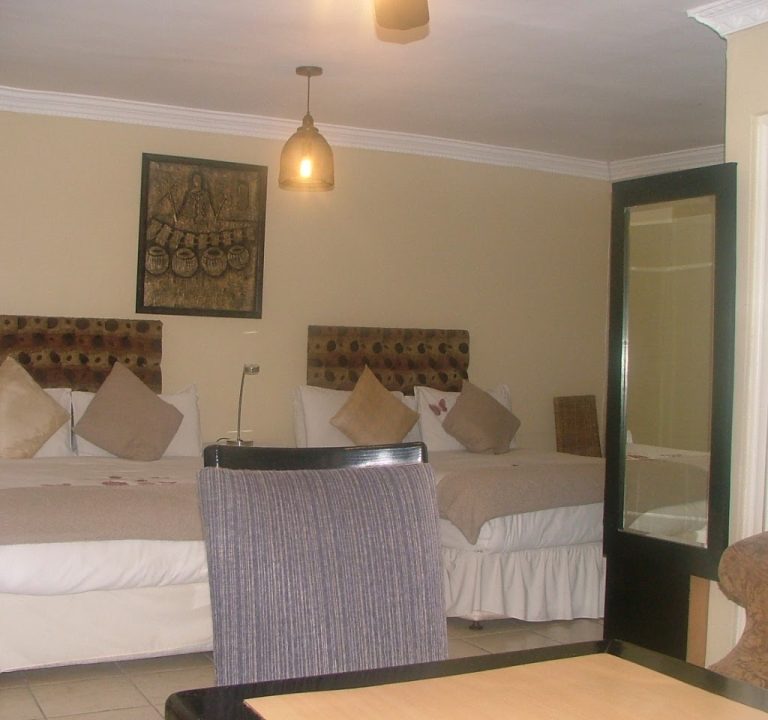
When booking, look for a few core amenities that count in Cape Town’s climate and travel rhythm. A comfortable bed with quality bedding, reliable wi‑fi, climate control, and security are essential. If you’ll be out exploring most days, a good breakfast or convenient self-catering options can simplify mornings. In many guesthouses and boutique hotels, hosts or managers can offer local tips, guiding you to less-touristy viewpoints, the best time for a Table Mountain Cableway ride, or a sunset drive along Chapman's Peak Road. If you prefer a more intimate stay, a guesthouse such as Mbalentle Guesthouse—where available—can provide personalised recommendations and a quieter, home-like atmosphere.
Transport in Cape Town is part of the adventure. Self-drive journeys reveal the broadest possibilities, but many visitors rely on hired cars, Uber-style services, or organised tours. If you don’t plan to rent a vehicle, choose accommodation near MyCiTi bus routes, which connect the City Bowl with Atlantic Seaboard and other hubs. For scenic days, consider lodging within walking distance of cafés and markets where you can sample local flavours without needing to navigate busy streets after dark.
Typical amenities in mid-range to upscale properties often include on-site parking, a lounge or courtyard, housekeeping, and in-room conveniences such as a writing desk or seating area. Some boutique guesthouses offer smaller dining areas, lending libraries, or curated itineraries. The best options also provide easy access to safe, well-lit entrances, clear information about security, and proximity to nearby attractions so you can balance morning sightseeing with leisurely afternoons by the pool or on a terrace with a view.
Texture matters in Cape Town’s climate: the city enjoys warm summers and mild, often breezy winters. The best time to visit depends on weather preferences and crowds. Peak season runs from late spring to early autumn, when days are long and vibrant, but off-peak months offer cooler temperatures, fewer crowds and more affordable accommodation. If you’re hoping to combine city touring with outdoor activities, shoulder seasons can provide a comfortable balance and better opportunities for scenic drives and nature walks.
Beyond where you stay, plan for a mix of experiences. Cape Town’s top attractions cover natural wonders, historical districts, and modern culture. Start with iconic landscapes such as Table Mountain or a coastal drive along the Cape Peninsula, then explore colourful neighbourhoods that showcase diverse histories and culinary influences. For food lovers, the city’s dining scene ranges from casual harbourfront eateries to refined dining rooms focusing on locally sourced ingredients. In addition to well-known restaurants, take time to discover neighbourhood spots where locals gather for coffee, markets, and casual meals.
To make the most of your visit, consider a flexible itinerary with a balance of activities and downtime. Allocate mornings for outdoor sights when light is best for photography, and reserve afternoons for slower experiences such as vineyard visits, botanical gardens, or a harbour stroll. If you have a specific interest—art, history, marine life, or wine—look for guided tours or small-group experiences that provide insights beyond standard landmarks. Many visitor-focused blogs and official tourism sites offer seasonal suggestions and safety tips that align with local conditions.
Practical tips to keep in mind: plan a little buffer time for peak traffic along popular routes, especially on weekends and during public holidays. Bring a light jacket for cooler evenings, even in summer, and pack a portable charger for long days out. When booking, read recent guest reviews for candid notes about noise, security, or changes in service. If you’re travelling with family or a small group, request a room layout that suits your needs, such as a suite with separate sleeping areas or a kitchenette for convenience. Finally, make use of the host’s local knowledge—many accommodation providers will share up-to-date tips on safe neighbourhoods, hidden viewpoints, and the best times to visit crowded attractions.
- Key areas to consider: City Bowl, Atlantic Seaboard, Constantia, and the Southern Suburbs
- Essential booking checks: security, reliable wi‑fi, parking, breakfast or self-catering options
- Transport tips: proximity to MyCiTi routes or convenient car hire access
- Experience planning: a mix of natural, cultural, and culinary activities with flexible days
Whether you stay in a boutique guesthouse, a seaside hotel, or a cosy apartment tucked away in a leafy suburb, Cape Town rewards travellers who pace their trip with thoughtful lodging choices and balanced days. By prioritising areas that suit your itinerary, confirming practical amenities, and embracing the city’s diverse flavours, you’ll craft a stay that’s as memorable as the views that frame it.