Staying in Cape Town: accommodation, planning tips and must‑see experiences
Cape Town offers a diverse mix of places to stay, from stylish boutique guesthouses tucked into leafy suburbs to contemporary hotels overlooking the Atlantic. When planning a visit to the Western Cape’s flagship city, it helps to think about what you want from your break: coastal views, easy access to dining and nightlife, or a tranquil base from which to explore Cape Town’s surroundings. The city’s accommodation ranges are well suited to families, couples, solo travellers and business trips alike, with properties to suit most budgets and preferences.
Choosing the right neighbourhood is the first step in a successful stay. Central districts place you within easy reach of the V&A Waterfront, the historic Bo-Kaap, and the city’s business cores, while the Atlantic seaboard offers panoramic views, doorstep ocean breezes and a more relaxed pace. Constantia provides a green, wine‑country backdrop for those seeking vineyards and leafy hills, and the southern suburbs yield a mix of guesthouses and country retreats close to Constantia’s trails and beaches. For a more hip, creative vibe with easy access to eateries and galleries, areas such as Woodstock or Green Point are popular with travellers seeking a stylish, walkable base.
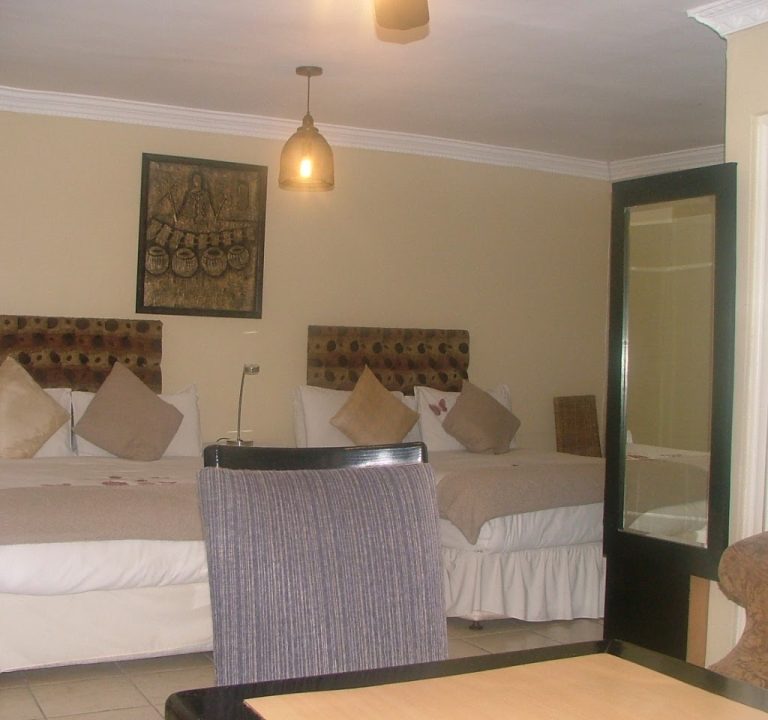
Typical amenities to look for when booking include reliable free Wi‑Fi, secure parking or easy transport links, on‑site dining or breakfast options, and rooms with en‑suite bathrooms. Some guests prioritise a sea view or a balcony, while others value a cosy lounge area, a well‑equipped kitchenette, or access to a small garden or pool. If you’re visiting in peak season, flexibility with dates and a clear cancellation policy can save stress. For families, check for interconnecting rooms, crib availability, and child‑friendly facilities; for solo travellers or business travellers, a good work desk, quiet rooms, and nearby transport links can be deciding factors.
Getting around Cape Town is straightforward, though you’ll want to plan for the geography. The city is relatively compact, but many attractions cluster along the Atlantic Seaboard and the central isthmus leading to Table Mountain. Self‑drive gives flexibility, but rideshare apps and the MyCiTi bus network offer affordable, city‑wide options. If you plan to visit Cape Point or the Cape Winelands as day trips, consider booking a tour or arranging a driver for the day, which can be more cost‑effective than multiple taxis and parking hassles in busy tourist spots. For those relying on public transport, staying near a MyCiTi bus stop or a tram or metro line can cut travel time significantly.
When to visit is often influenced by weather preferences and what you want to do. The city enjoys mild springs and summers, with the best beach conditions typically from late spring through early autumn. Winter brings cooler, wetter weather, but can be ideal for fewer crowds and lush green landscapes, with excellent conditions for hiking and scenic drives. Spring wildflowers and summer marine life can be a draw for nature lovers, while the shoulder seasons sometimes offer better deals on accommodation and quieter attractions.
Planning a stay also means balancing attractions with downtime. In general terms, top experiences include coastal walks or scenic drives along the Atlantic, visits to iconic viewpoints, and trips to nearby historic and natural sites. In‑city activities tend to centre on cultural districts, markets, and waterfront promenades, while day trips can take you to the Cape Winelands for wine tasting, or to nature reserves for wildlife and hiking. For dining, Cape Town’s culinary scene spans casual eateries, stylish bistros, and fine dining. Expect markets offering fresh produce, coffee roasters, and a mix of cuisines reflecting the city’s diverse population. If you have dietary preferences, many venues are happy to accommodate, but it’s always worth checking menus in advance or asking staff about alternatives.
To make the most of your stay, here are practical tips:
- Book early for peak seasons and major events, especially in the summer months and around school holidays.
- Read guest reviews with a grain of salt, focusing on aspects that matter to you, such as transport links, cleanliness, and whether the property matches its photos and description.
- Check breakfast options, kitchen facilities, and whether there are supermarkets or cafés within walking distance.
- Ask about parking arrangements and distance to your preferred routes or attractions to minimise daily transit time.
- Look for properties with sustainable practices, such as recycling facilities or energy‑efficient appliances, which can enhance your stay and reduce costs over time.
When it comes to accommodation types, Cape Town offers a broad spectrum. Boutique guesthouses and small hotels often provide a personalised touch, with hosts sharing local tips on hidden gems, hiking routes, and lesser‑known restaurants. Larger hotels and estates can offer more extensive facilities, such as spa services, pools, and conference spaces, which may be convenient for multi‑generational trips or corporate bookings. For a truly Cape Town experience, consider a stay that blends modern comforts with a sense of place—properties that incorporate local design, artwork, and hospitality traditions can enhance your sense of arrival and connection to the city.
Finally, while Cape Town’s main attractions are well‑documented, your best experiences often emerge from wandering beyond the well‑trodden paths. Explore neighbourhoods on foot, visit markets for fresh fare and crafts, and allow time for a sunset at a viewpoint or beach. Planning a stay with a flexible itinerary—interspersed with relaxing days at your accommodation—lets you absorb the city’s pace and character without rushing from site to site. For more inspiration, consult official tourism resources and reputable travel guides that provide practical, up‑to‑date information on access, hours of operation, and seasonal considerations.