Cape Town: Accommodation, attractions and practical planning for visitors
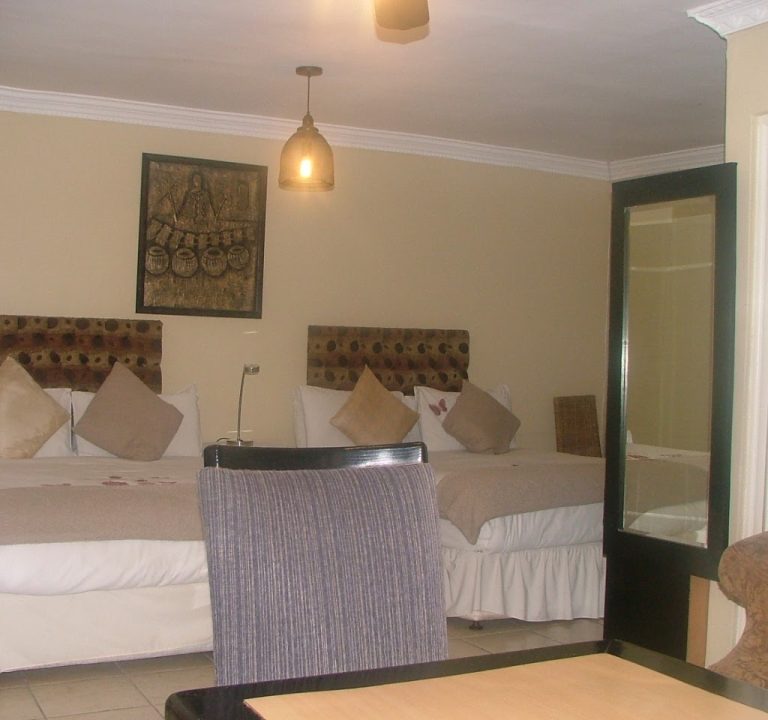
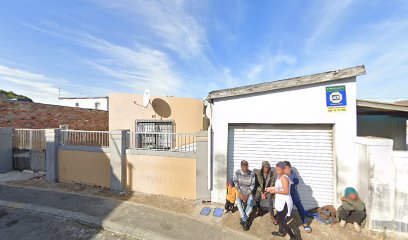
Cape Town offers a diverse range of places to stay, from characterful guest houses in leafy neighbourhoods to stylish hotels along the Atlantic seaboard. When planning a stay, it helps to think about what you want from your experience—scenic views, easy access to sights, easy transport links, or a quieter residential atmosphere. Liziwe’s Guest House, for example, is a guest house option that provides a comfortable base from which to explore the city and its surrounds. More information can be found at the guest house’s listing here: Liziwe’s Guest House.
Areas to consider
- City Bowl and the central precincts: Close to museums, courtyards, and cultural hubs, with a mix of boutique guest houses and hotel stays. Good for walkers who enjoy a compact city centre feel and quick access to restaurants and nightlife.
- Atlantic Seaboard: Includes areas with sea views and a stylish vibe, ideal for active travellers who want beaches nearby, upscale dining, and scenic drives along the coast.
- Constantia and Kirstenbosch: A calmer, leafy winelands-adjacent option, perfect for visitors seeking more space, gardens, and proximity to wine routes.
- Observatorium, Woodstock and neighbouring districts: Creative and trendy pockets with easy access to markets, eateries, and boutique stays.
- Nearby townships and harbour districts: For cultural insights and day trips, with opportunities to arrange guided experiences that illuminate local history and communities.
What to look for when booking
- Proximity to desired activities: If you plan to spend long days exploring Table Mountain, the V&A Waterfront, and gourmet eateries, a base near the city centre or along the Atlantic Seaboard can reduce transit time.
- Room configuration and privacy: Check whether you want a private ensuite, a shared guest lounge, or self-catering facilities. Some guest houses offer complimentary breakfasts that can simplify mornings.
- Amenities and services: Consider air conditioning for warmer months, secure parking, reliable wi-fi, and on-site parking if you are likely to hire a car. Vehicle access and traffic considerations vary by neighbourhood.
- Transport options: Look for stays with convenient links to MyCiTi buses or nearby taxi hubs. If you plan to venture to the Cape Peninsula or wine routes, assess whether a hire car or guided day trips will suit your itinerary.
- House rules and guest access: Some properties operate as intimate, resident-run establishments with personalised service, while others function as more independent, self-service stays.
Typical comforts and practical planning
- Bedrooms and living spaces: Expect a mix of cosy rooms and more generous suites. Many guest houses include homely touches such as a shared lounge, seasonal decor, and a small or full breakfast offering.
- Common spaces: A welcoming guest lounge or verandah can be a pleasant place to unwind after a day’s sightseeing. Proximity to eateries within walking distance is a frequent plus.
- Breakfast and meals: Some establishments provide continental or full cooked breakfasts. If you prefer to explore local restaurant scenes, choose a property that does not rely solely on in-house meals.
- Safety and access: In Cape Town, consider areas with good street lighting and a sense of security. Private entrances, well-lit pathways, and good street presence can enhance comfort, especially for evening strolls.
- Weather and seasons: The city enjoys warm summers and mild winters. Peak visitor periods are often around the Southern Hemisphere summer, so booking ahead for popular areas is wise.
Best time to visit and practical tips
- Timing: Spring (September to November) and autumn (February to April) are often pleasant, with fewer crowds than peak summer. Winter is cooler and wetter but offers dramatic scenery and lower rates in some areas.
- Booking strategy: If you have a specific neighbourhood in mind, secure accommodation several weeks to months in advance, especially for weekends and holiday periods.
- Getting around: While some areas are walkable, a car or reliable taxi service helps you reach the Cape Peninsula, iconic viewpoints, and vineyards with ease.
- Day trips and experiences: Consider combining a city stay with day trips to the Cape Peninsula, the cape’s wine routes, and Table Mountain or Kirstenbosch, and look for guest houses or lodges that can organise guided excursions or provide helpful local recommendations.
Attractions and experiences in general terms
- Iconic viewpoints: Table Mountain and the surrounding trails offer a mix of easy routes and challenging climbs with breathtaking city and ocean vistas.
- Waterfront and markets: The V&A Waterfront area is a hub for shops, casual dining and cultural venues, while nearby markets offer crafts and seasonal bites.
- Gardens and natural beauty: Kirstenbosch Botanical Garden and the Constantia Valley’s green spaces provide restful contrasts to urban sightseeing.
- Gastronomy and casual dining: Cape Town’s restaurant scene ranges from inventive modern eateries to classic, family-run venues that showcase local produce and seafood.
- Cultural insights: Museums, galleries and neighbourhood walks can illuminate the city’s diverse history and contemporary culture.
Restaurants and other dining options
- Cape Town’s dining landscape is diverse, with many eateries offering views, garden settings, or casual neighbourhood charm. When planning meals, consider booking ahead for popular spots or selecting a base near areas with a concentration of cafés and bistros to enjoy a relaxed sequence of meals during your stay.
In short, Cape Town blends remarkable scenery with a broad range of accommodation to suit different styles and budgets. With thoughtful neighbourhood choices, practical planning, and a relaxed approach to day trips and dining, you can craft a rewarding visit that balances relaxation with exploration. For more about a particular guest house and its surroundings, visiting its listing and other local accommodation guides can provide helpful context as you build your itinerary.