Accommodation and Experiences in Cape Town, Western Cape
Cape Town is a city that blends dramatic scenery with a welcoming hospitality scene. Whether you prefer a boutique guesthouse on a leafy hillside, a stylish apartment near the harbour, or a lodge with mountain views, there are plenty of options to suit different itineraries and budgets. When planning a stay, it helps to think about what you want to get from your visit: distance to the coast, proximity to iconic sights, and how you will move around the city and its surrounds.
Areas to consider for your base include the City Bowl and central Cape Town, which offer easy access to dining, museums and nightlife, as well as interior-facing cosy guesthouses that feel like a home away from home. The Atlantic Seaboard, including areas such as Sea Point and Camps Bay, is ideal for oceanfront strolls, sunset views, and a more resort-like vibe. If you are after a quieter stay with a touch of countryside, the neighbourhoods around Constantia and Hout Bay provide leafy streets, wine-tasting opportunities and close proximity to scenic drives. For researchers, business travellers or families, the harbour area and nearby Green Point can offer convenient access to the V&A Waterfront and easy transit routes.
When choosing accommodation, look for a few practical features that make a stay comfortable in Cape Town’s changeable climate and busy streets. A well-equipped kitchenette or access to armoured security and strong Wi‑Fi can be a real asset for longer visits. A guesthouse or boutique hotel with a friendly, guest-centric ethos can also make a difference, especially if staff are knowledgeable about local transport options and day trips. If you plan to drive, check whether parking is available or if the property offers per-night secure parking. For guests relying on public transport, proximity to MyCiTi bus stops or train stations can be more important than absolute distance to the city centre.
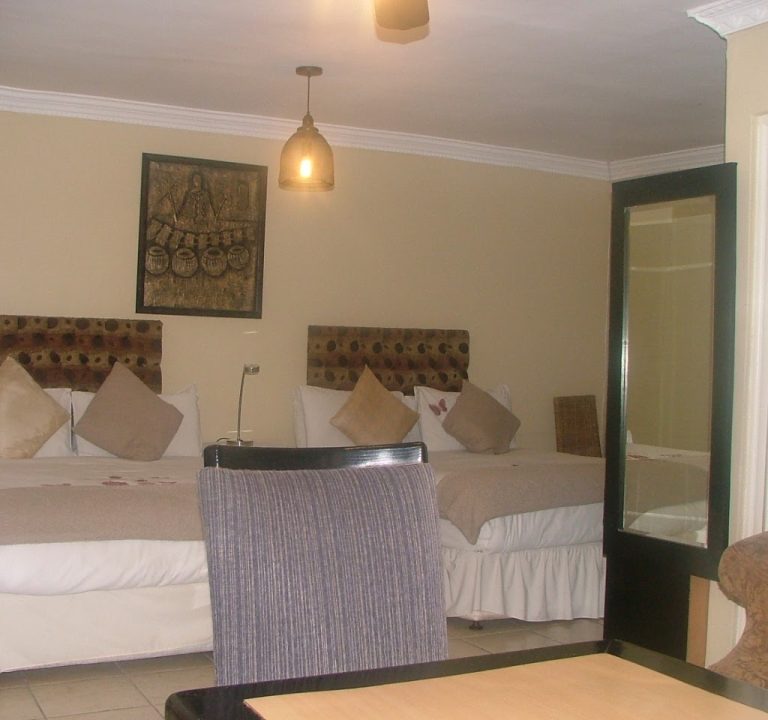
Typical amenities to expect include comfortable beds with quality linen, en-suite bathrooms, and climate control for Cape Town’s warm summers and cool shoulder seasons. Many guesthouses and small hotels offer a continental breakfast or self-catering options, which can be convenient for early starts before day-long excursions. A good selection will provide safe storage for luggage, guidance on local routes, and a relaxed, personal atmosphere that sets them apart from larger hotels. If you have specific needs — for example, accessibility features or child-friendly spaces — confirm these with the property in advance to avoid any miscommunication on arrival.
Transport in Cape Town is well supported by taxis, ride-hailing services, and the popular MyCiTi bus network. If you are staying near the central areas, you can often explore on foot or by short taxi rides to major sights. For broader exploration, many visitors hire a car to visit the Cape Winelands, the Cape Peninsula drives including the spectacular Atlantic coast, and access to beaches and viewpoints. Some guesthouses offer airport transfers or shuttle services, which can be a convenient option if you arrive late or travel with a lot of luggage.
The best time to visit Cape Town varies with your plans. The summer months (roughly November to March) bring sunny days, warm sea temperatures and a lively outdoor scene, ideal for beaches, outdoor markets and coastal walks. Winter (May to August) brings cooler, rainier days but also a different kind of charm, with fewer crowds and excellent wine routes indoors. Spring and autumn offer a balance of pleasant weather and quieter streets. If you intend to visit popular viewpoints such as Table Mountain or nearby nature reserves, mornings or late afternoons are usually the most comfortable times to go, avoiding the peak heat of midday sun.
When it comes to attractions, Cape Town offers natural splendour alongside cultural and culinary experiences. You might plan a day to explore Table Mountain or the surrounding national park by cable car or hiking trails, followed by a stroll along a harbour or a waterfront precinct where visitors can enjoy views of the ocean and Table Bay. In week-long stays, many travellers set aside time to tour the Cape Peninsula, visiting seaside towns and scenic coastal routes. For gastronomic and social experiences, Cape Town is known for a vibrant restaurant scene and diverse markets offering regional flavours. In addition, easy-to-book excursions can provide context about the city’s history, the nearby winelands, and landscape-rich coastline, without needing to rush from site to site.
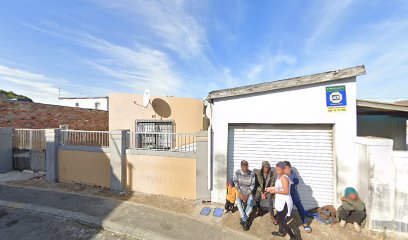
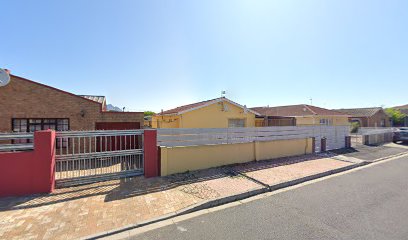
Practical planning tips for a smooth stay include booking well in advance for peak season and during major events, staying flexible with your daily schedule, and confirming what is included with your accommodation. If you are staying at a guesthouse such as MFK Guesthouse, you may wish to inquire about the availability of guided walks or local recommendations for dining and activities. Always check the cancellation policy and whether breakfast or other meals are included, as this can affect overall value. To make the most of your time, map out a rough itinerary that balances days of iconic sightseeing with lighter days for wandering neighbourhoods, markets and cafés.
- Ask about parking and transport options to avoid last-minute stress.
- Confirm any special requests (early breakfast, late check-in, accessibility) before arrival.
- Match your stay to your itinerary—central bases for city sightseeing, coastal bases for beach days, or hillside lodges for sunset views.
- Plan day trips to the winelands or the peninsula with a clear starting point and return times.
In sum, Cape Town’s accommodation landscape ranges from intimate guesthouses to contemporary hotels, all set against a backdrop of dramatic scenery and a dynamic dining scene. With thoughtful planning — considering location, amenities, transport, and seasonal timing — you can craft a stay that feels both relaxed and thoroughly enriching. For ideas and further inspiration, you can explore regional tourism information and guesthouse listings online, and consider a stay that reflects your preferred pace and interests during your time in the Western Cape. Websites exploring the city’s tourism offerings can provide up-to-date insights and practical tips to supplement your booking decisions.