Staying in Johannesburg: accommodation planning, neighbourhoods, and a taste of the city
Johannesburg, or Jo’burg as it is affectionately known, is a vast and varied destination with a mix of modern hotels, boutique guesthouses, and well‑placed apartments that suit all kinds of travellers. When planning a stay, think about what you want most from your visit: easy access to business districts, a lively dining scene, leafy suburbs, or a base convenient for day trips out of the city. Choosing the right area can define your experience, from the buzz of the inner city to the calmer, greener pockets of the northern suburbs.
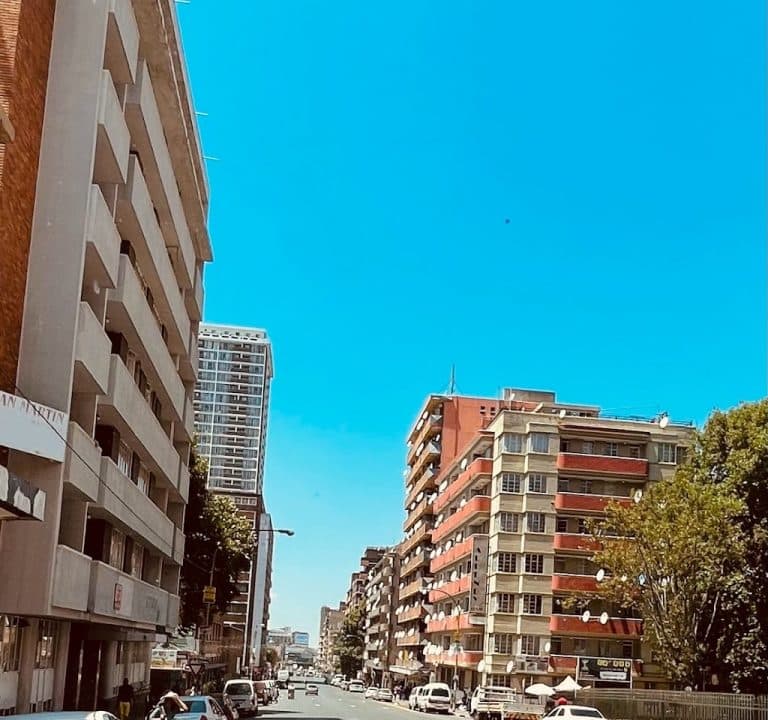
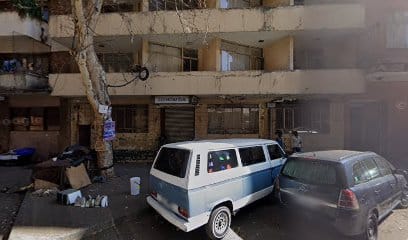
Central Johannesburg offers a convenient hub for sightseeing, business, and culture. If you value proximity to museums, galleries, and cafés, there are hotels and guesthouses that blend contemporary comfort with easy access to public transport and pedestrian-friendly streets. A well‑placed accommodation here can reduce travel time between mornings at markets or galleries and evenings exploring lively dining precincts. In contrast, the northern suburbs are known for leafy streets, larger rooms, and a generally quieter stay, which can be ideal for families or travellers who prefer a calmer base while still being within reach of the city’s core sights.
For a distinctive stay, consider a design‑led boutique property or a well‑established hotel in a converted historic building. In these settings, you’ll often find thoughtful amenities such as 24‑hour reception, on‑site dining, secure parking, and stylish rooms that balance comfort with character. If you are choosing a hotel specifically, a well‑reviewed property in a central area can offer easy access to transport links and reliable information from staff about local routes, markets, and recommendations for day trips.
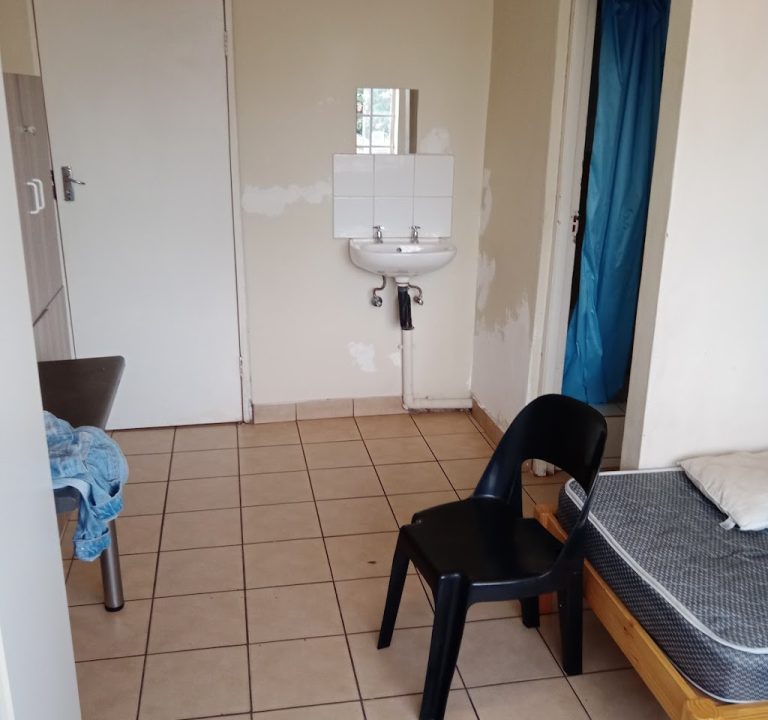
Relevant practical considerations when booking include the size and layout of your room, the availability of a kitchenette or lounge space if you are staying longer, and whether the property has facilities like a gym, pool, and secure parking. For families or groups, a serviced apartment or a larger suite can provide more flexibility and better value for longer stays. Accessibility features, quiet rooms, and reliable in‑room wifi are also worth confirming before you book, especially if you plan to work remotely or travel with dependants.
Transport is a key part of planning. Johannesburg has an extensive network of taxis, ride‑hailing apps, and a light rail system in development in some areas, but the city still relies heavily on car travel in many neighbourhoods. If you plan to explore beyond your hotel’s doorstep, consider staying in a location with straightforward access to major roads or public transport hubs. For shorter stays, a well‑positioned hotel or guesthouse that is walkable to restaurants, markets, and cultural sites can save time and add to the overall enjoyment of your visit.
The best time to visit Johannesburg generally aligns with the South African climate. The dry winter months from May to August are comfortable for exploring outdoors and wildlife day trips, while the hot summer period (roughly November to February) brings afternoon thunderstorms and lush greenery. Shoulder seasons often provide pleasant weather and fewer crowds, which can translate into better deals on accommodation. If you’re visiting for events or exhibitions, plan ahead to secure a central base close to venues, restaurants, and transport links.
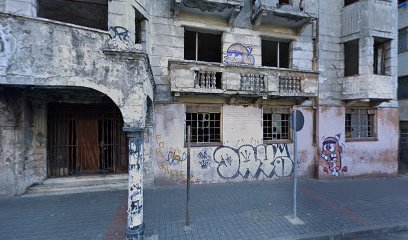
Where to base your stay can also hinge on the kinds of experiences you want. For a cultural immersion, consider an area with galleries, street art, and a weekly market scene. If you’re hoping for a vibrant dining and nightlife mix, a central district with a concentration of eateries and cafés can be ideal. For travellers seeking a more relaxed vibe, a boutique property tucked away in a tree‑lined street or a garden setting in a northern suburb may feel like a private escape while still offering convenient access to the city’s sights.
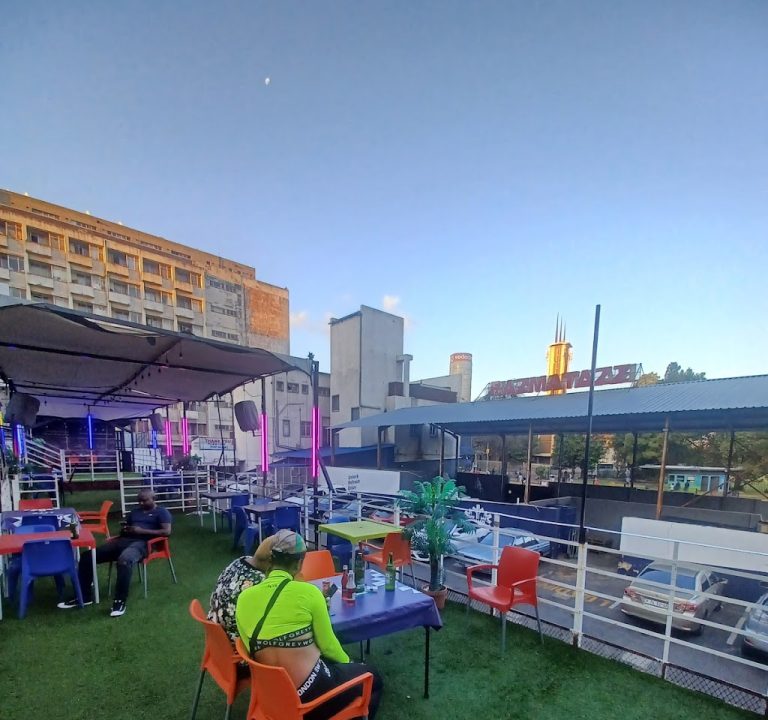
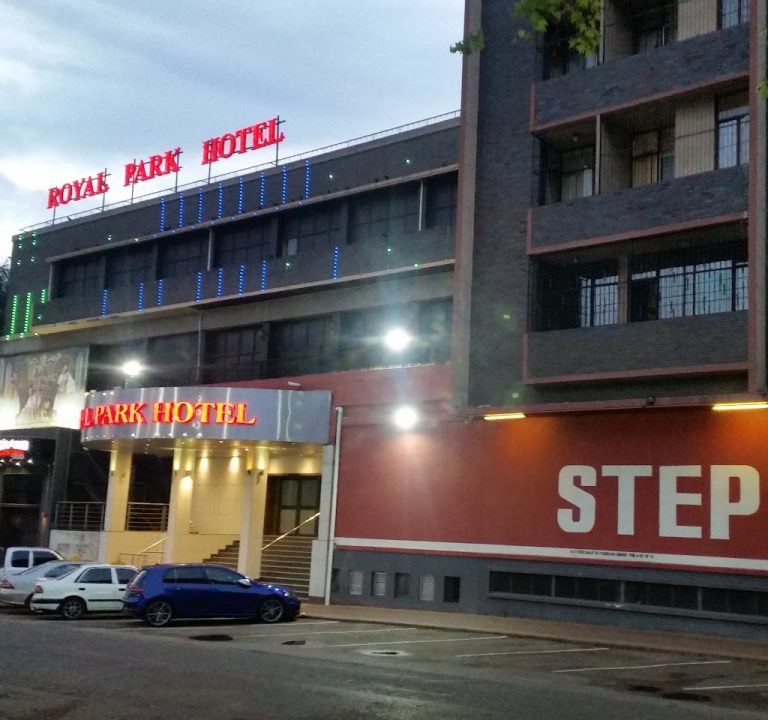
Sample accommodation options may include a mid‑sized city hotel with a polished lobby and modern rooms, a contemporary boutique property with individually styled rooms, or a stylish serviced apartment that offers more space and kitchen facilities. A well‑chosen option can deliver reliable concierge guidance on local attractions, transport routes, and reservations for restaurants or experiences. One example to consider, if available in your dates, is a central hotel known for combining comfort with easy access to business and leisure amenities; a good choice for travellers who value a cohesive city stay with straightforward access to the core sights.
What to do and where to eat varies across the city’s districts, but you can expect a mix of cultural attractions, markets, and eateries that showcase South Africa’s diverse culinary scene. In general terms, look for venues offering modern interpretations of local flavours, casual eateries with bustling atmospheres, and markets where you can sample fresh produce and handmade goods. When planning day trips, common options include wildlife and nature excursions, short drives to nearby towns, or guided tours that focus on history, urban culture, and contemporary art.
- Book accommodations with a flexible cancellation policy in case plans change.
- Choose a location with straightforward access to a main transport artery or a reliable taxi/ride‑hailing option.
- Pack for variable weather: layers for mornings and evenings, plus a light rain jacket during wetter months.
- Ask reception or hosts for current restaurant recommendations and must‑see local experiences.
For those seeking a concrete starting point, a centrally placed property such as Maxime Hotel (if available in your dates) can offer a balanced base for exploring both the city’s business districts and its cultural heart. You can also explore official tourism resources and hotel websites for further details, including room types, facilities, and nearby attractions. With thoughtful planning, your Johannesburg stay can be comfortable, convenient, and full of memorable experiences.