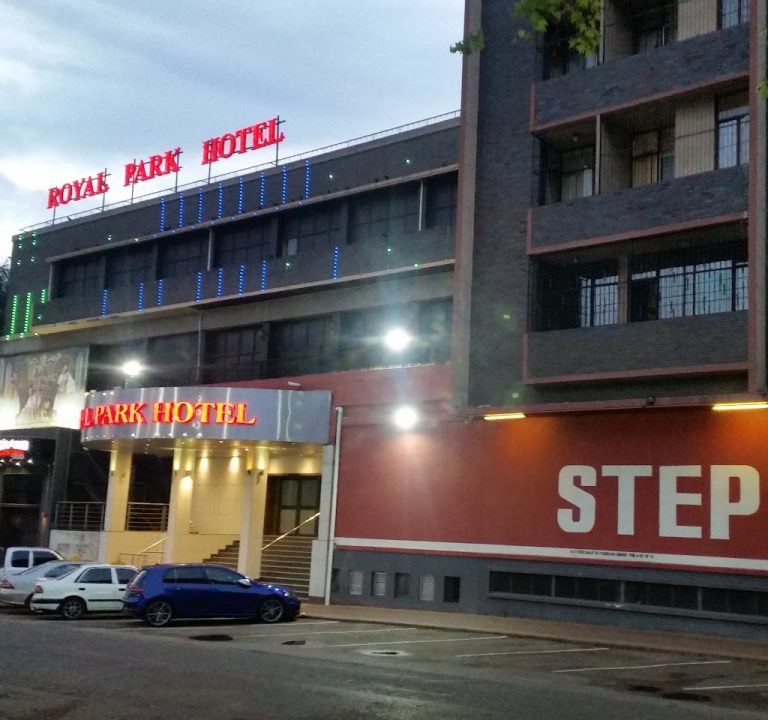
Accommodation and attractions in Johannesburg, Gauteng: planning your stay in the city
Johannesburg, or Jo’burg as many locals call it, is a vast and vibrant city that blends modern city living with rich history and diverse neighbourhoods. When planning a stay, consider a base that suits your mood and interests, from leafy residential cores to buzzing cultural districts. Short stays work well in central areas with easy access to public transport, while longer visits may benefit from staying in a neighbourhood with a quieter street scene, but still within easy reach of city highlights and day trips.
Areas to consider include the northern hubs near Rosebank, Sandton and Melrose, which offer a mix of upscale lodgings, serviced apartments and boutique guesthouses, along with shopping and dining. The central region around Braamfontein and Maboneng is ideal for travellers who want to be in the heartbeat of the city, with easy access to galleries, markets, cafés and nightlife. For a more relaxed ambience, places in Parktown, Killarney or Greenside provide leafy streets, charming guesthouses and comfortable flats with good transport links to the CBD and southern suburbs. If you’re seeking budget-friendly options or a more authentic local experience, consider smaller guesthouses or serviced flats in neighbourhoods such as Brixton, Milner Park or Yeoville, where hosts can offer practical tips on getting around.
When choosing accommodation, look for a few key features that suit city travel. A comfortable bed, reliable wi‑fi, secure entry, adequate storage, and a well-equipped kitchen or kitchenette can make a difference after a day exploring. Some travellers value suites with separate living spaces, air conditioning or heating, and on-site parking. If you’ll be working remotely or planning longer stays, a quiet workspace and a strong mobile signal are worth prioritising. Check whether the property provides basic essentials such as fresh towels and linen, toiletries, and a convenient proximity to shops or cafés for easy meal options.
Booking tips for Johannesburg stays include comparing cancellation policies, reading guest reviews for insights on noise levels and neighbourhood safety, and noting how easy it is to reach major sights from your chosen base. For central options, confirm proximity to a reliable transport link—whether it’s a Gautrain station, a taxi or ride-hailing pickup point, or a well-serviced bus route. If you’re staying in a more suburban area, verify the availability and frequency of local taxis or rideshares to the city centre and key attractions. Some properties offer shuttle services or curated recommendations, which can be especially helpful for first-time visitors.
Typical amenities to expect in well-appointed Johannesburg lodgings include a well-equipped kitchenette or kitchen corner, a private bathroom, and good heating or cooling. Many places provide daily housekeeping, laundry facilities on-site or nearby, and safe parking. In additions to modern comforts, consider guesthouses or flats that offer a small lounge or outdoor space, which can be particularly pleasant for evening downtime after busy days. Speedy wi‑fi is valuable for planning day trips, checking live weather, and researching new dining spots as you go.
Transport is a practical consideration in Johannesburg. The city’s spread-out layout means that a car can be convenient for exploring beyond the central districts, but excellent public options exist as well. The Gautrain provides rapid links between Johannesburg and Pretoria, and to the airport at OR Tambo International, while city routes and ride-hailing services offer flexible options for short hops around town. If you plan to stay near a railway node or a shopping district, you’ll often find most attractions reachable on foot or with a short ride. For broader exploration, budgeting a little time for traffic can help you plan day trips to nearby nature reserves, historic sites and Gauteng’s other towns.
Best time to visit Johannesburg generally falls outside the peak summer thunderstorm season. Late autumn and early spring (March to May and September to November) tend to offer comfortable weather for outdoor exploration, with fewer crowds than the height of the school holidays. Winter, from June to August, can be cool and dry—ideal for wandering museums and indoor experiences, though evenings may require a warm layer. If your trip includes wine and food experiences in nearby regions, coordinating timings with local markets and seasonal events can enrich your itinerary.
Practical tips to make the most of your stay include keeping valuables secure, especially in busy areas, and sticking to well-lit, populated streets after dark. Plan a flexible itinerary that reserves some spare time for spontaneous discoveries—dip into a café for breakfast or a rooftop bar for sunset views, and allow for changes based on weather or new recommendations from hosts and locals. Dining in Johannesburg ranges from casual street-food stalls to refined bistros; in many areas you’ll find a mix of modern eateries and traditional South African fare, often with seasonal menus and locally sourced ingredients.
As you plan your days, combine must-see sights with neighbourhood wanderings. From public art and markets to historic sites and expansive city parks, Johannesburg offers a balance of cultural heritage and contemporary living. When you’ve settled on a base, your hosts or managers will usually be happy to help refine your plan with local tips, walking routes, and day-trip ideas, ensuring you make the most of your stay in Gauteng’s dynamic heartland.